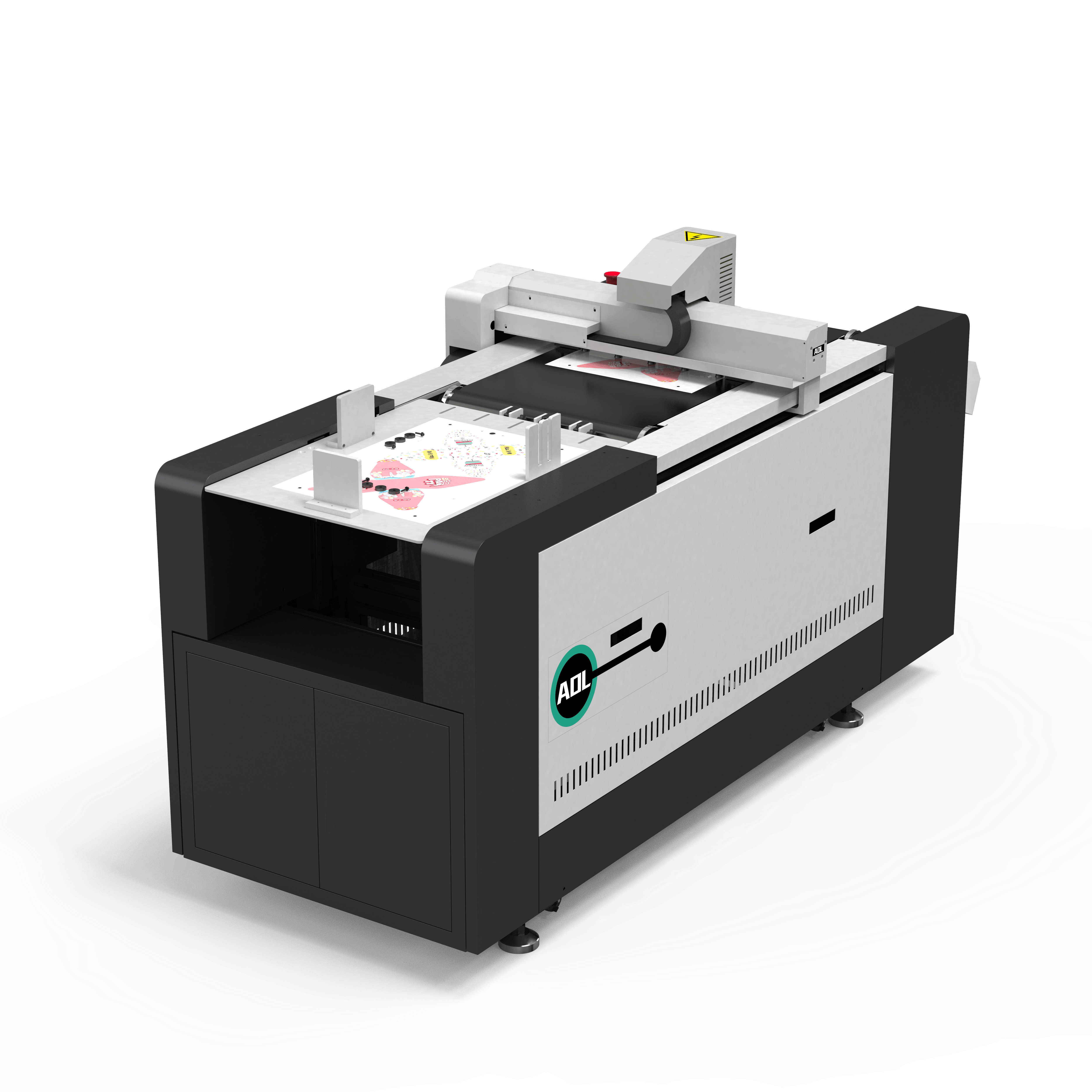
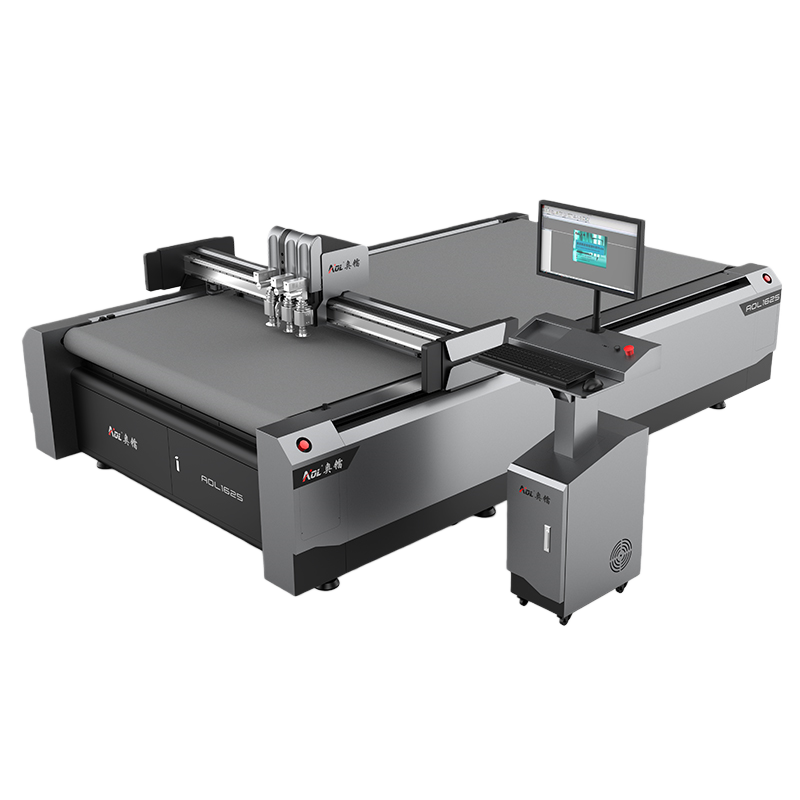
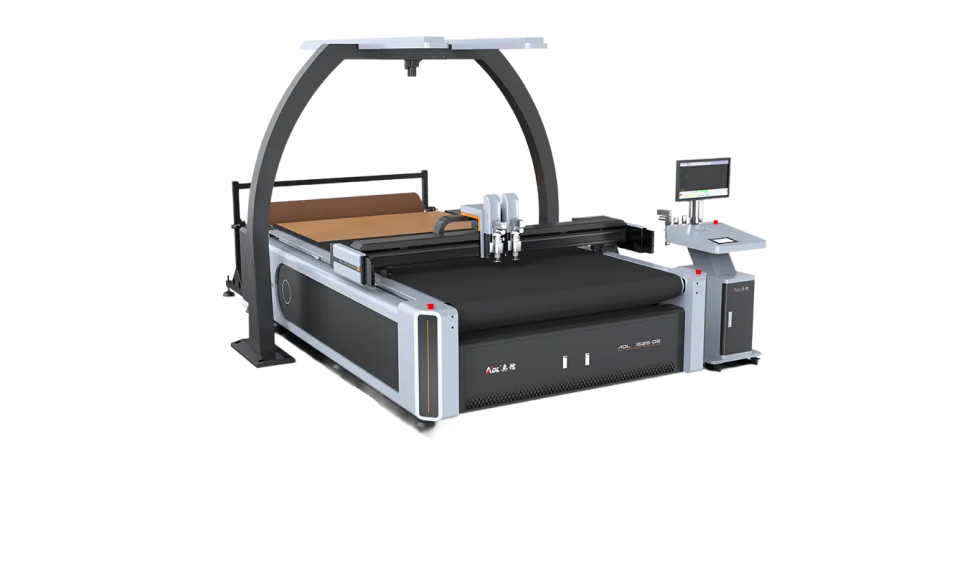
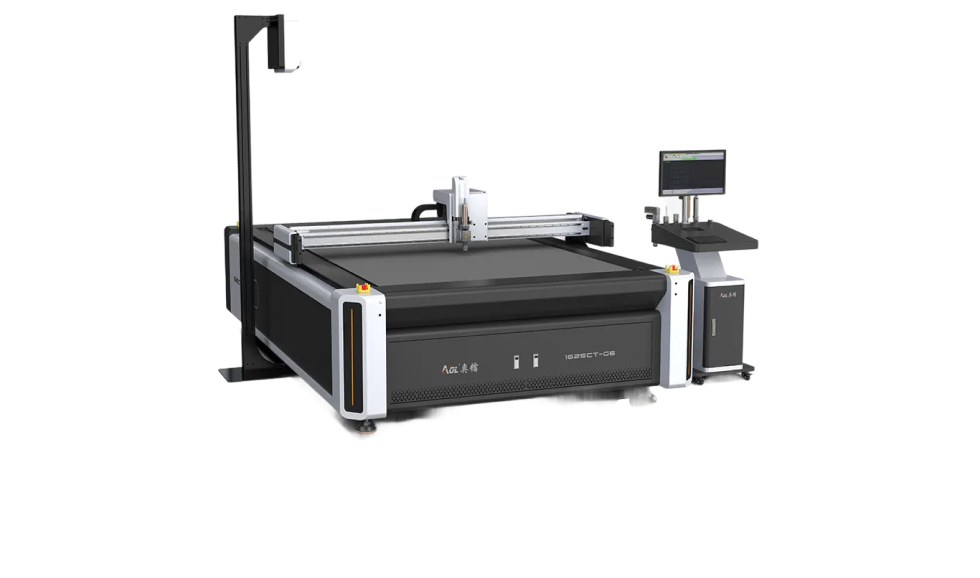
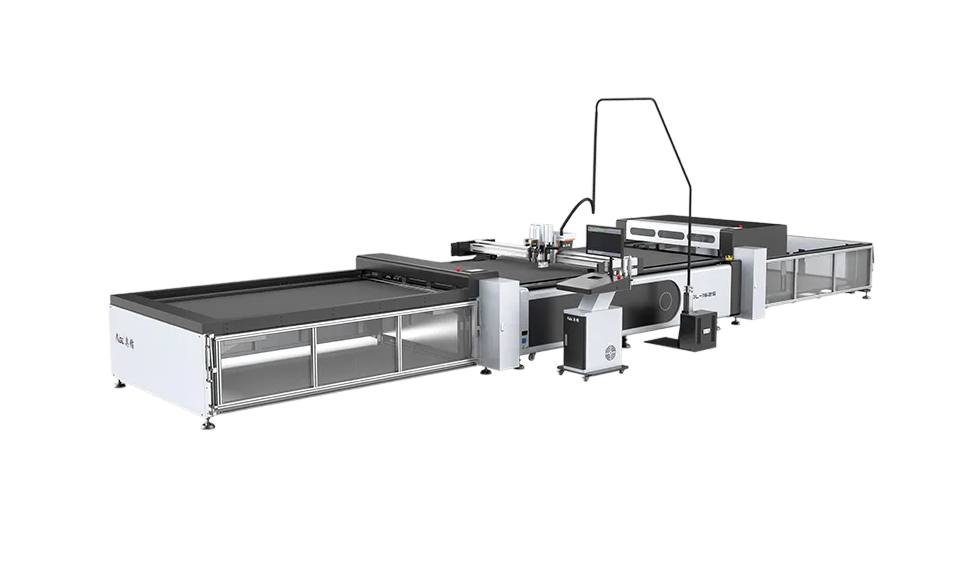
In today's fast-paced manufacturing and creative production landscape, cutting equipment serves as the bridge connecting digital design to physical products. While many businesses still rely on standard roll-to-roll cutters or traditional die-cutting machines, the evolution toward digital flatbed cutters signifies a significant leap in capability, efficiency, and profitability. So why has this equipment become so vital across industries ranging from packaging to textiles? Because it represents a paradigm shift from analog constraints to digital freedom.
First, it ignites the “die-less” revolution. Historically, repeating cuts of specific shapes required custom steel dies—costly, time-consuming (taking weeks), and rendered obsolete by design changes. Digital flatbed cutters act as “virtual dies,” eliminating physical die dependency entirely. They slash lead times from weeks to minutes and make small-batch production economically viable for the first time.
Second, it offers unparalleled material versatility. The core strength of the flatbed format lies in its ability to handle rigid materials. Unlike roll-to-roll machines that require flexible materials to be fed through a bending process, flatbed cutters perform cuts with the toolhead moving across a stationary material on a gantry frame. This enables processing of materials unattainable by other equipment, including rigid substrates like hollow-core panels, aluminum composite panels, and foam boards; heavy materials such as high-density foam and honeycomb panels; and delicate textiles that cannot withstand tension. This versatility makes it the “Swiss Army knife” of production workshops, capable of replacing multiple specialized machines.
Moreover, it drives the rise of mass customization (Industry 4.0). In today's era where consumers seek personalized products, digital flatbed cutters are inherently intelligent. They connect directly to design software, operate via digital files, enable automated nesting to minimize waste, and cut different shapes within the same batch without stopping. This transforms production lines into flexible, responsive manufacturing cells.

 EN
EN