
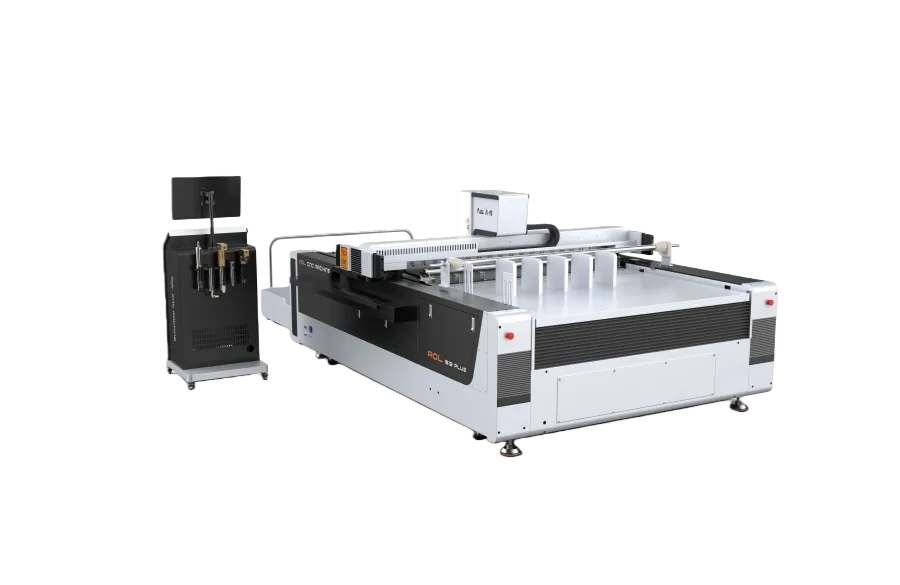
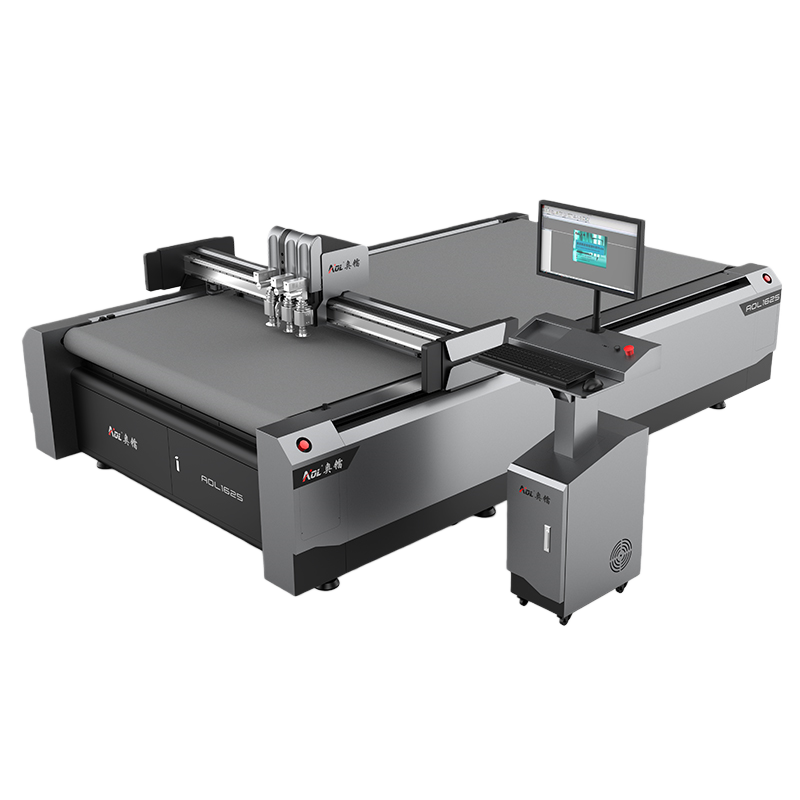
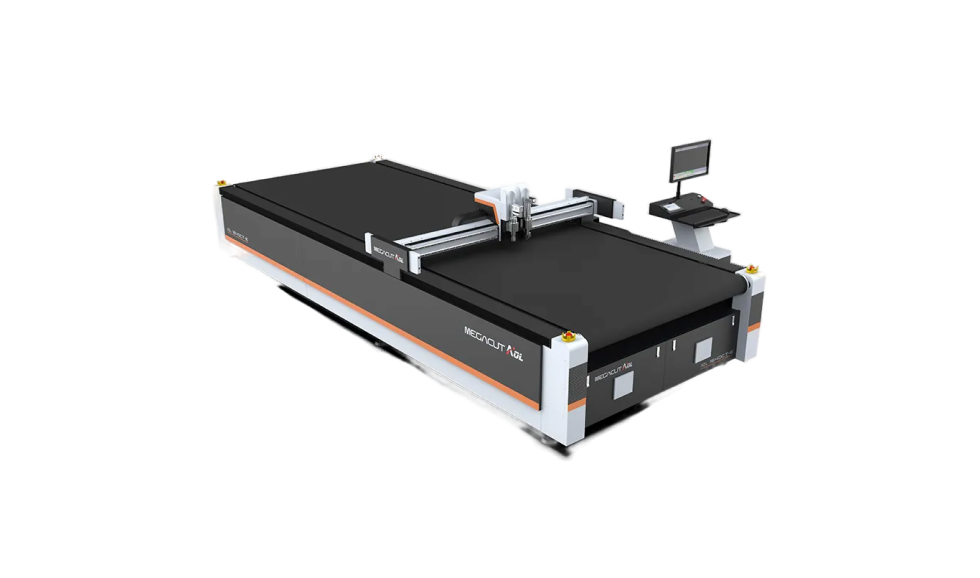
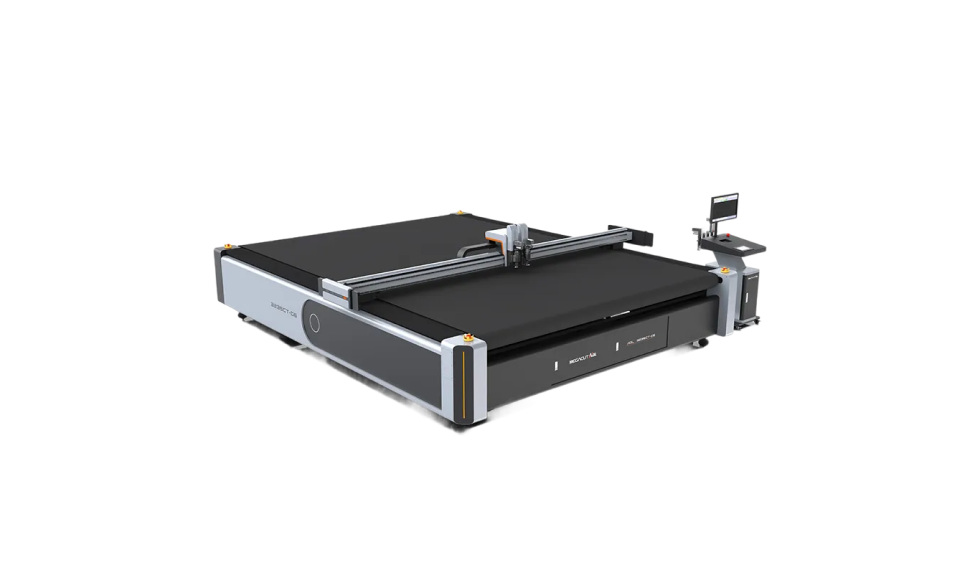
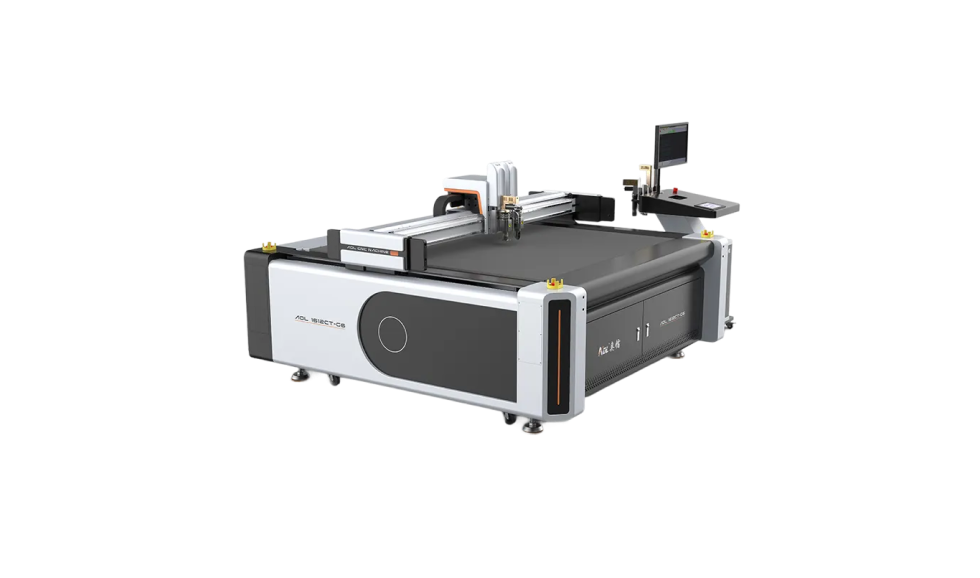
Against the backdrop of rapid transformation in today's manufacturing industry, the significance of digital blade cutting machines lies primarily in their role as catalysts for a fundamental leap from the era of manual labor to the digital age. Traditionally, industries ranging from apparel and textiles to automotive interiors and advertising packaging have heavily relied on either manual cutting by master craftsmen or costly custom molds. This approach not only suffers from inefficiency but also entails lengthy talent development cycles. The advent of digital blade cutting machines has revolutionized this model: through automated cutting heads and data-driven production, it liberates workers from arduous, repetitive, and injury-prone manual labor, achieving true “machine substitution for human labor.” This not only drastically reduces enterprises' dependence on highly skilled technicians but also enables 24/7 uninterrupted production. Consequently, businesses can significantly boost output without proportionally increasing labor costs.
Beyond optimizing labor costs, such equipment plays a pivotal role as a “cost-saving pioneer” in today's business environment, which emphasizes green manufacturing and cost control. Amid intensifying raw material price volatility, traditional cutting methods often result in substantial material waste. Digital blade cutters, equipped with advanced intelligent nesting algorithms, calculate the most material-efficient cutting paths within seconds. This maximizes utilization of fabrics, leather, or industrial composites, typically yielding 10% to 15% savings in raw materials. This precision directly translates into corporate profits while aligning with global manufacturing's pursuit of zero waste and sustainable development. Unlike laser cutting, which produces smoke and melted edges, digital blade cutting's cold-cutting physical properties ensure clean, undistorted material edges. This provides a viable technical pathway for recycling eco-friendly materials.