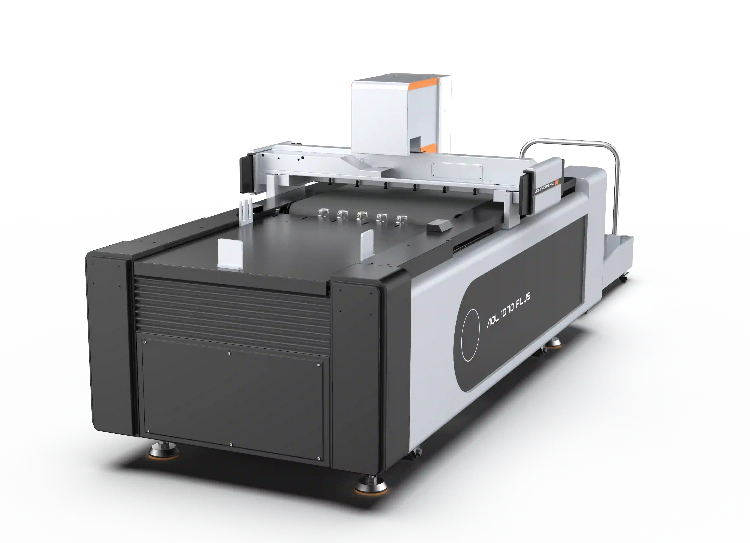
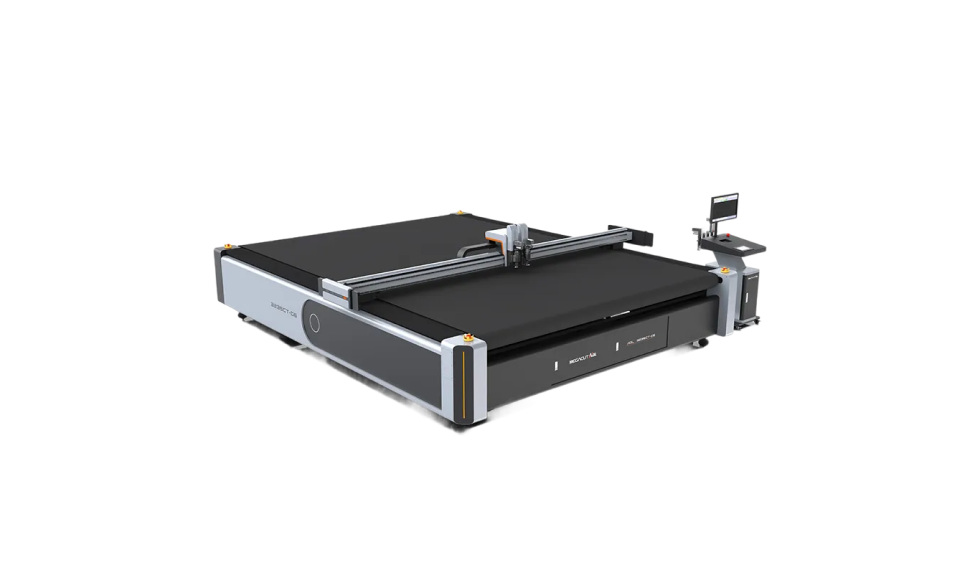
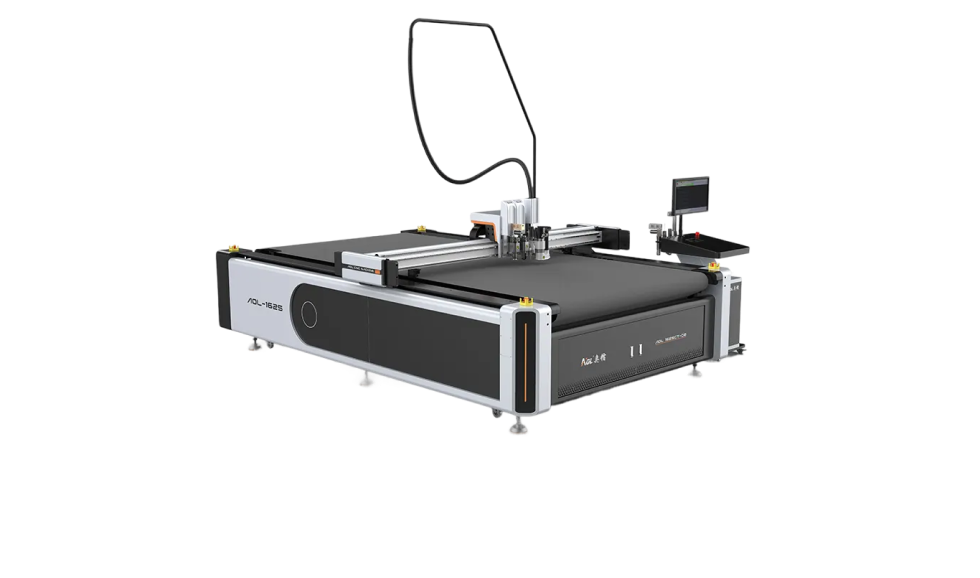
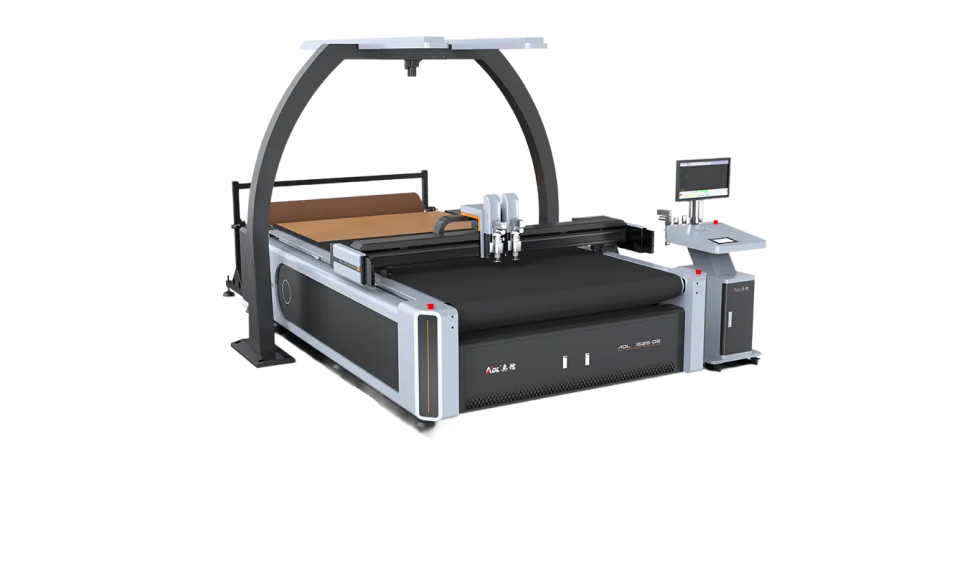
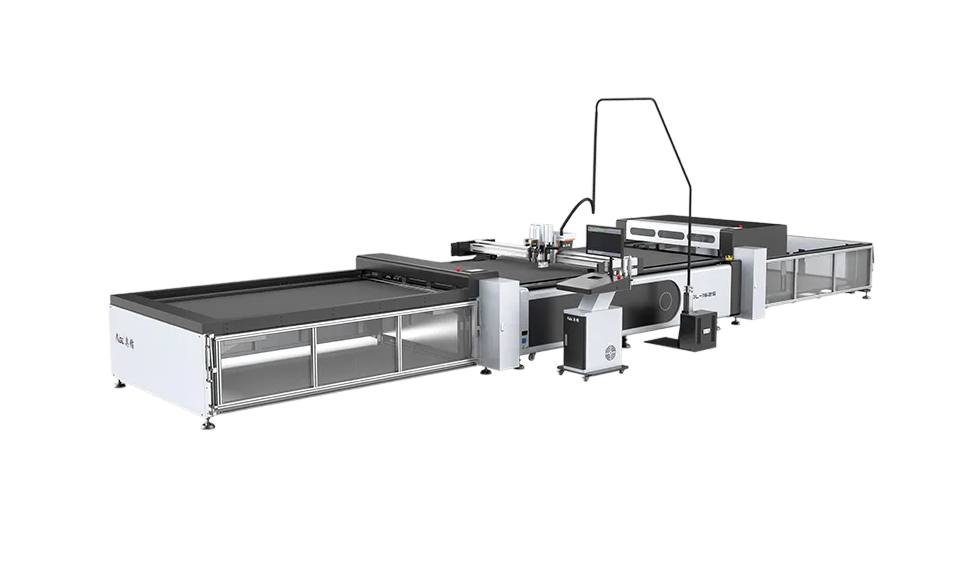
In the landscape of modern manufacturing, the shift from analog to digital is no longer a luxury but a necessity for corporate survival. At the heart of this profound transformation, for the flexible and composite materials processing industry, lies a device known as the digital blade cutter. While it may appear as a simple evolution of the utility knife, it represents a fundamental shift in production methods concerning labor, cost, and waste.
The machine's primary significance lies in bridging the gap between “design” and “reality.” Historically, the conversion from design to finished product was often the most severe bottleneck in production. Designers would create intricate shapes in software, but transferring these forms precisely onto physical materials typically required manual labor, physical templates, or expensive fixed cutting tools. The digital blade cutter eliminates this friction entirely. Acting as a direct conduit from computer to finished product, it achieves true “what you see is what you get.” This capability drastically reduces time-to-market—a design concept in the morning can become a tangible prototype by afternoon. Such rapid iteration was previously unimaginable for small and medium-sized enterprises.
Building on this foundation, it has become the enabler of mass customization. We are in an era of personalization where markets no longer settle for uniform standard products but crave customized solutions. Traditional manufacturing models relied on economies of scale, necessitating the production of thousands of identical units to amortize tooling costs. The digital blade cutter disrupts this economic model. Its “tool-free” nature—requiring only software instruction changes, not physical hardware replacement—makes mass customization economically viable. This means production lines can cut a unique part for one customer, then instantly switch to cutting a completely different product for the next customer without downtime. This flexibility creates a significant competitive advantage in sectors like automotive interiors, aerospace composites, and custom packaging.
Simultaneously, this technology addresses the growing labor crisis. Manufacturing industries face widespread challenges with skilled labor shortages. Traditional cutting shops present harsh environments and inherent safety risks, making it increasingly difficult to find skilled craftsmen capable of manually cutting complex shapes with precision. Digital blade cutters perfectly address this issue through automation and skill transfer. A single operator can accomplish the workload equivalent to three to four manual cutters. More importantly, it digitizes the “tacit knowledge” of senior cutters. Once a cutting path is programmed, any operator—regardless of experience level—can consistently replicate the exact same high-quality cut every time.
Moreover, in an era where sustainability grows ever more critical, digital blade cutters become a vital component of green manufacturing by reducing waste. In the textile and composite industries, material waste is not only a cost issue but also an environmental burden. Thanks to their built-in intelligent nesting algorithms, these machines calculate the most efficient pattern arrangement on materials, maximizing material utilization. By reducing scrap by 5% to 15%, these machines directly lower a company's environmental footprint and raw material expenses. In an era where “green manufacturing” serves as a key market differentiator, this capability is paramount.
Finally, its significance extends to versatility in handling complex materials. Modern products have long moved beyond simple paper or cotton, now comprising carbon fiber, Kevlar, engineered foams, and multi-layer composites. These materials are costly and challenging to process, prone to fraying, thermal melting, or indentation. Unlike lasers that risk scorching or melting synthetics, or die-cutting machines that may crush delicate foams, digital blade cutters employ vibrating blade technology for a “cold cut” and “gentle cut.” This robust material compatibility enables manufacturers to diversify product lines without investing in new equipment. The same machine can process fiberglass mats or rubber gaskets while handling upholstery fabrics—simply by adjusting blade depth and speed.

 EN
EN