
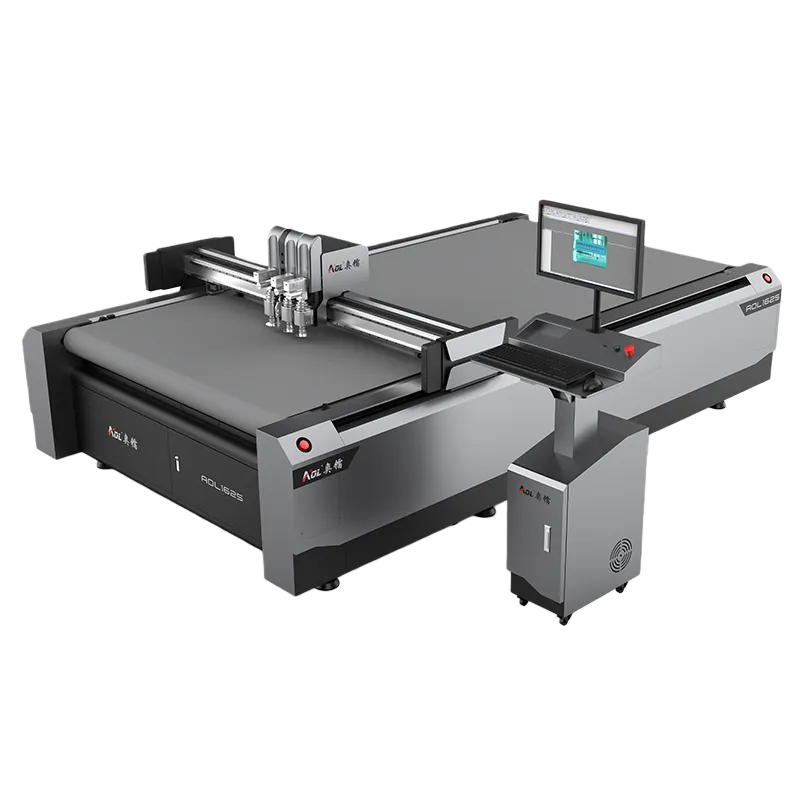
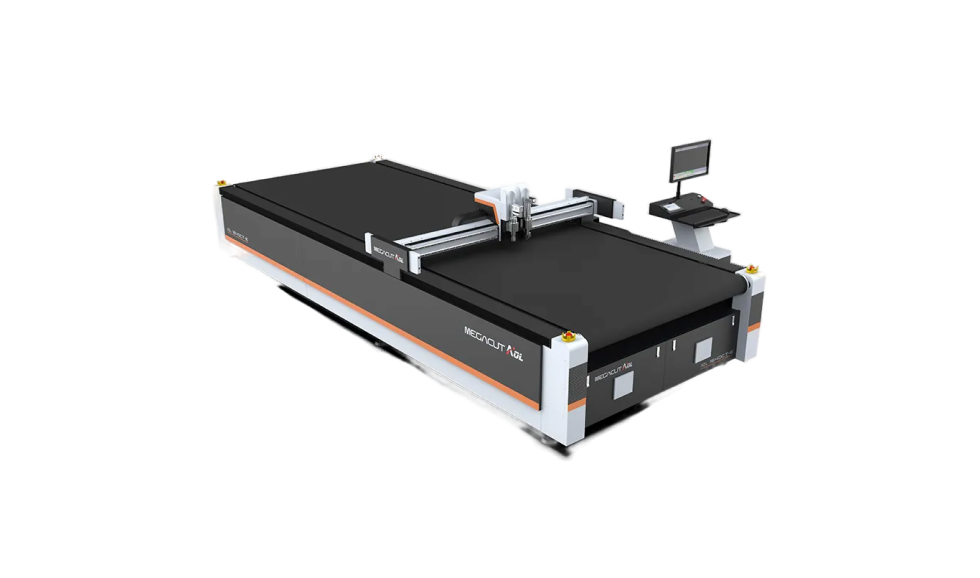
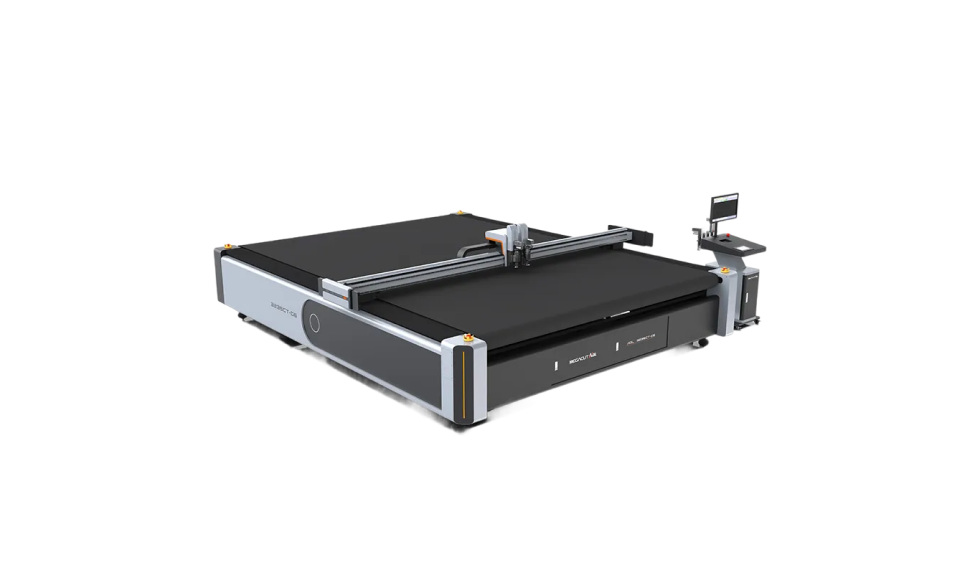
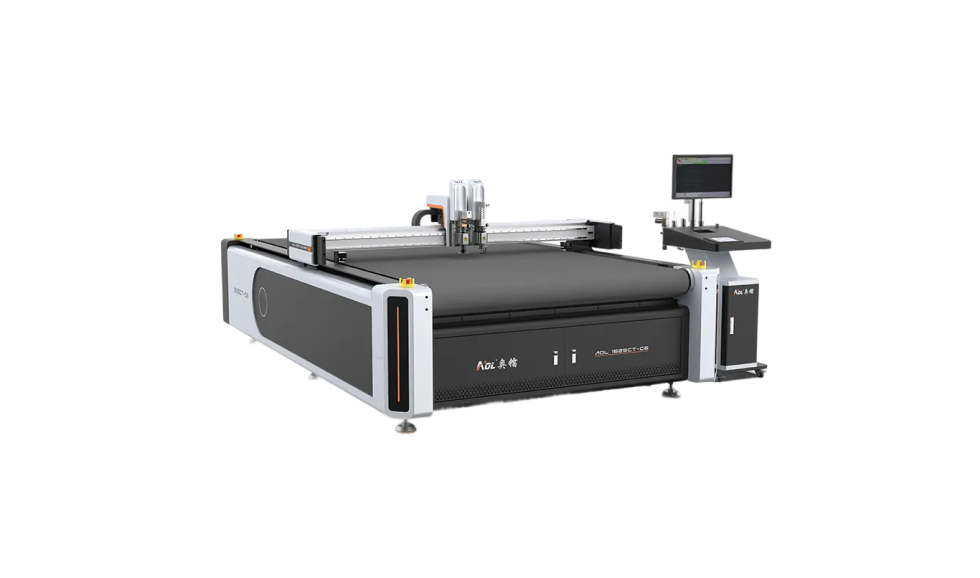

In the rapidly evolving fields of textile manufacturing, interior decoration, and technical composite materials, cutting precision directly determines product quality, while material waste directly impacts corporate profits. The advent of the Fabric CNC Cutter represents not merely a tool upgrade, but a profound industrial transformation. While traditional manual cutting relies on operator experience and physical strength, and mechanical punching is constrained by high mold costs, CNC technology introduces digital precision control to flexible material processing, completely reshaping production workflows.
Its primary significance lies in the complete elimination of human error. No matter how skilled a cutter may be, subtle deviations caused by fatigue or fluctuations in attention are inevitable. When dealing with expensive fabrics, even these minor deviations translate into waste. Fabric CNC Cutters rely on precision servo motors and algorithms to ensure identical cutting trajectories and angles from the first piece to the ten-thousandth. This machine-level repeatability guarantees consistent quality for apparel, automotive upholstery, and home furnishings, serving as the cornerstone for brand standardization. Simultaneously, the built-in intelligent nesting algorithm maximizes material utilization. The software automatically calculates how to arrange differently shaped pieces like puzzle pieces in the shortest time, saving up to 5% to 15% of expensive fabric compared to manual layout or traditional die-cutting. In the textile industry, where raw material costs dominate production expenses, these material savings directly translate into pure profit.