
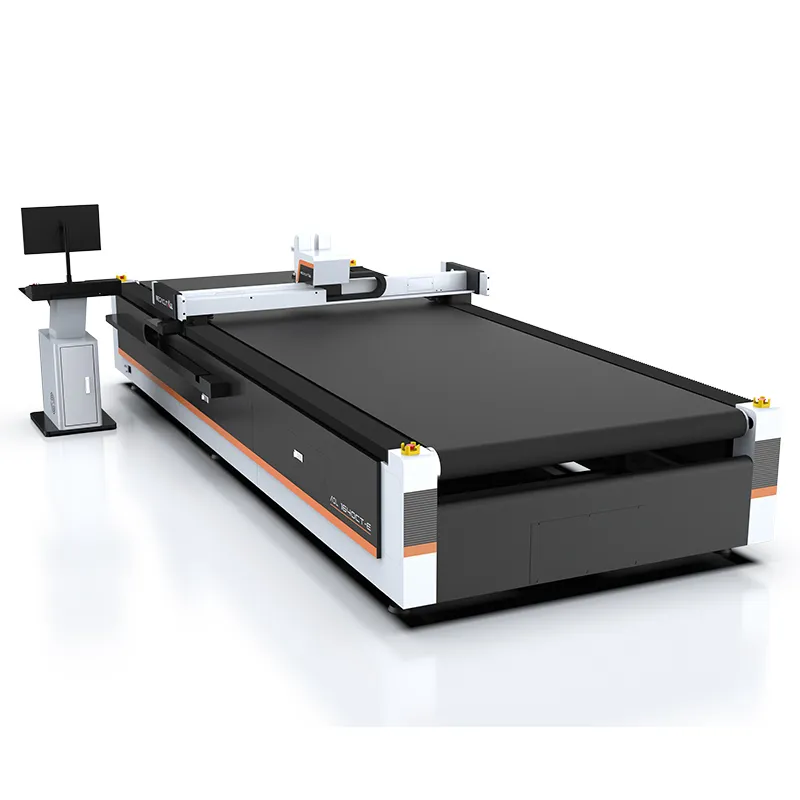
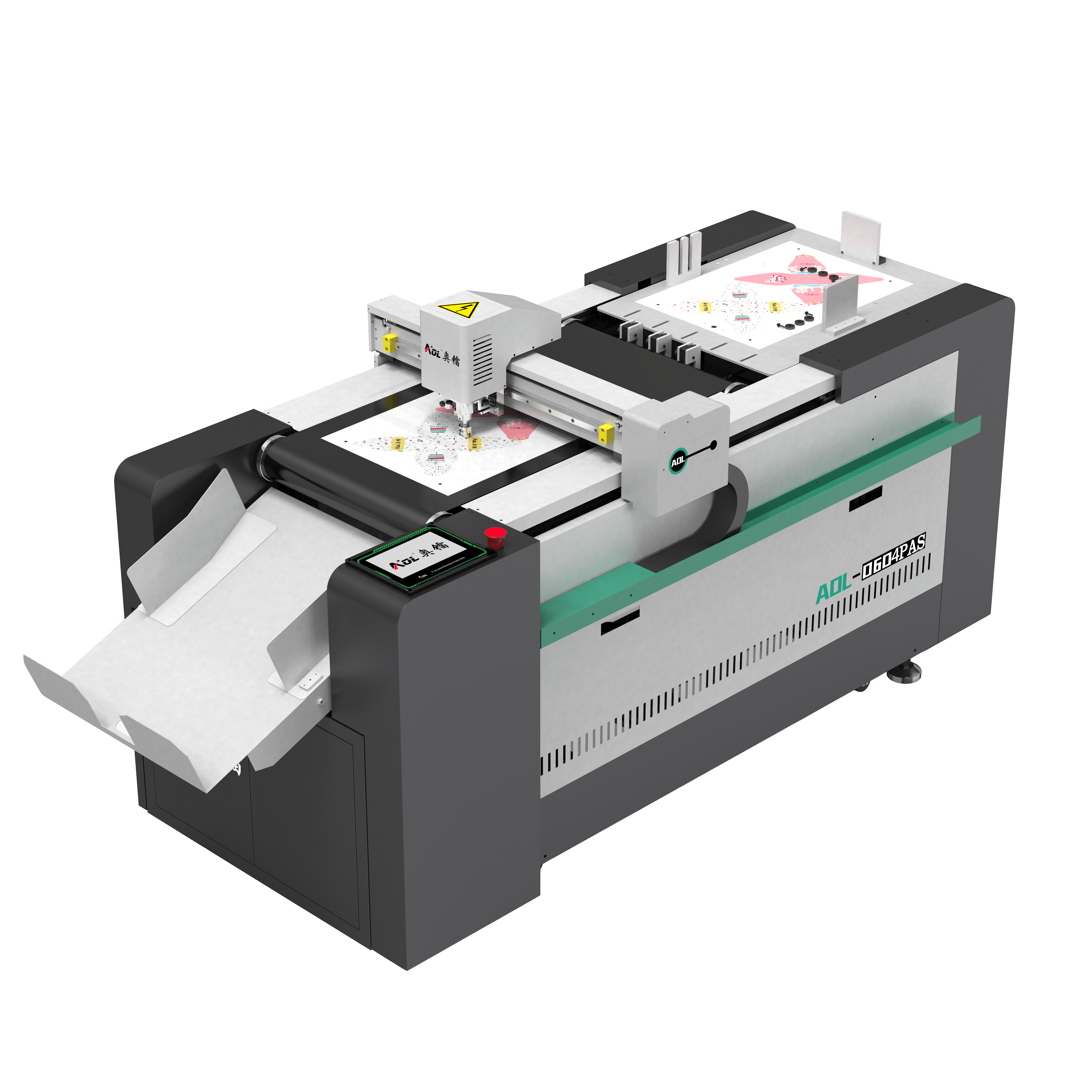
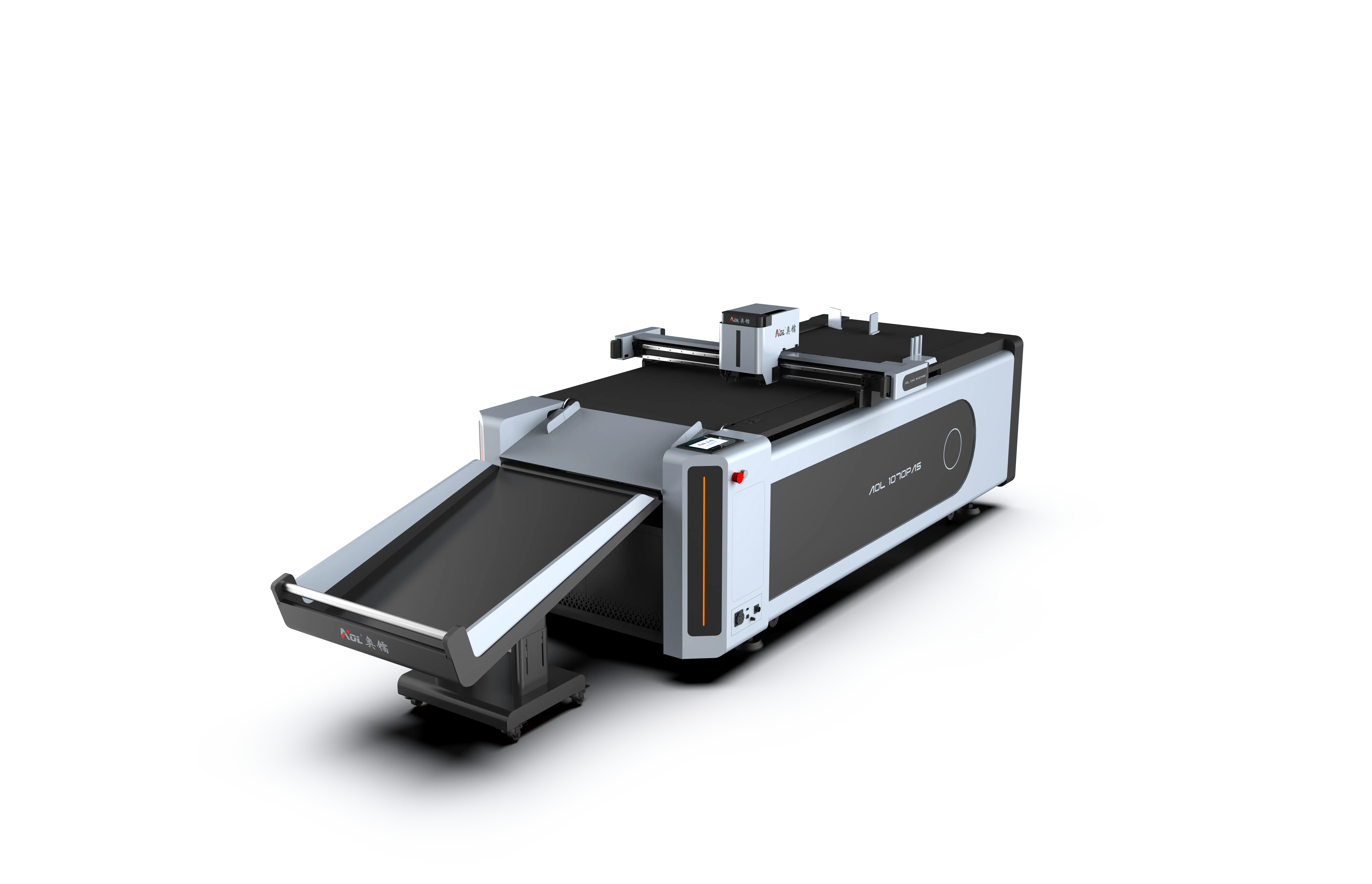
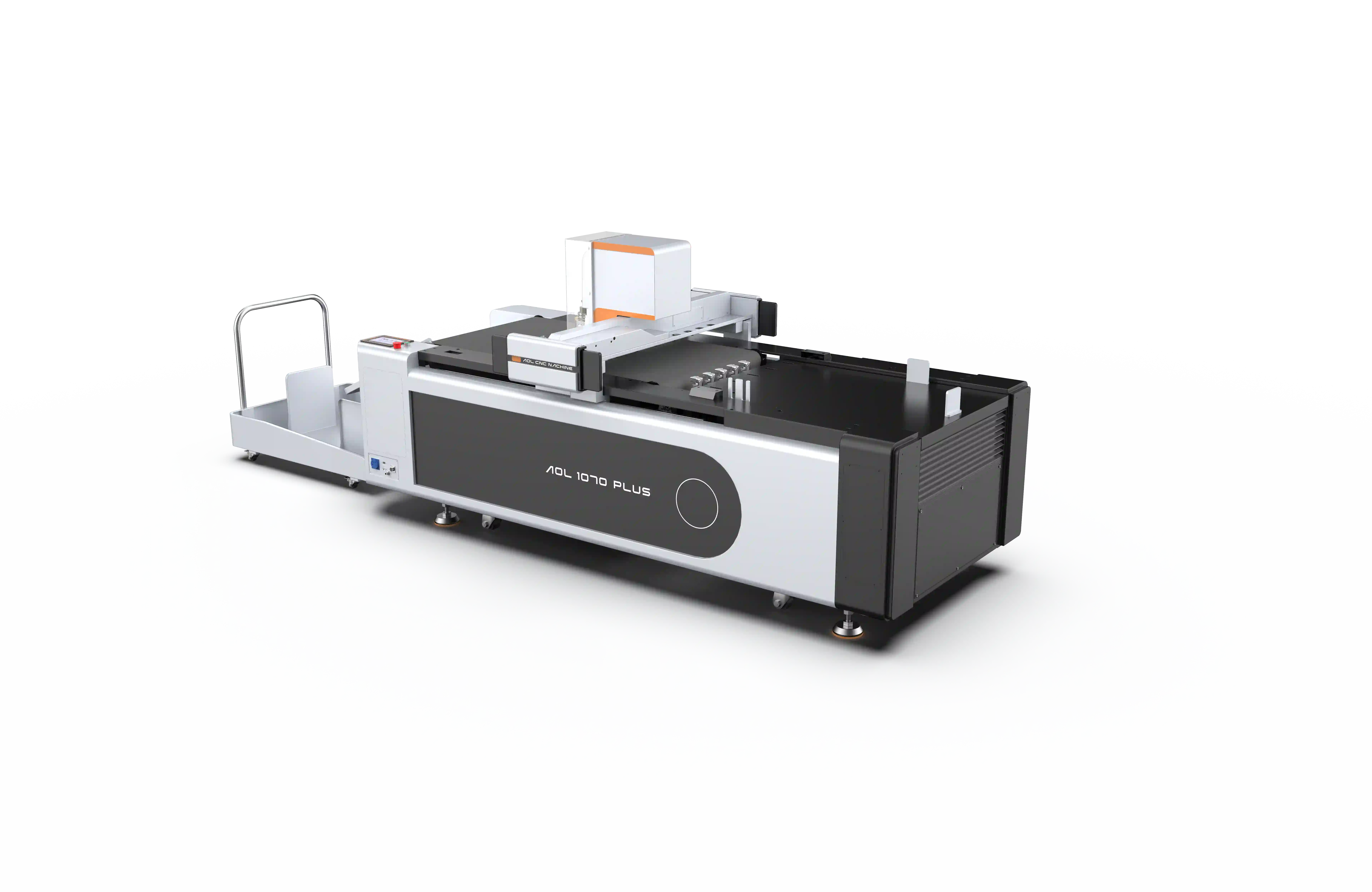
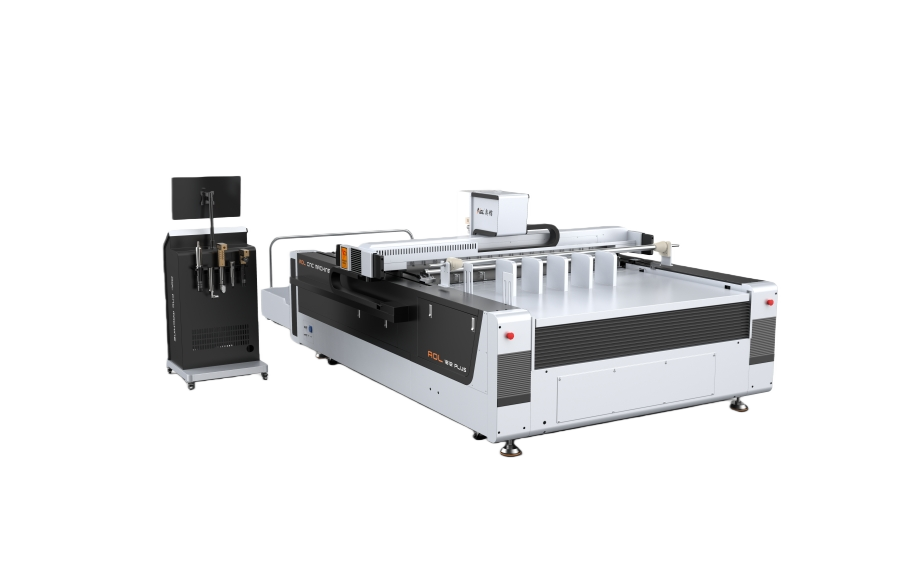

In today's fiercely competitive textile and manufacturing industries, margins are increasingly thin and production cycles are constantly shortening. The sophistication of equipment directly determines a company's survival and profitability. The transition from traditional manual scissors or punch dies to modern CNC fabric cutting machines represents not merely a tool upgrade, but a profound revolution in production logic. First, it completely eliminates dependence on physical molds, shifting cutting patterns from physical storage to digital storage. Design modifications now require only a mouse click, eliminating the need to spend days and thousands of dollars manufacturing new molds. This makes small-batch customization and rapid prototyping not only possible but also a profitable growth opportunity. Second, it precisely addresses the industry's labor shortage pain point by automating complex geometric cuts. An ordinary operator can now achieve master-level precision, freeing human resources for more creative roles. More importantly, the intelligent layout algorithms in these machines calculate optimal cutting paths within seconds, maximizing utilization of fabric—the most costly material. Typical savings of 5% to 15% in material usage can recoup equipment investment within a year. This efficiency also enables just-in-time production models. Companies no longer need to worry about inventory backlogs but can respond swiftly to real-time orders, transforming market demand fluctuations into flexible adjustments to production rhythms. For sectors demanding strict consistency—such as automotive interiors, aerospace, or high-end furniture—CNC cutting machines ensure micron-level precision. This guarantees perfect uniformity across every component produced from Monday morning to Friday afternoon, eliminating potential assembly errors downstream. Ultimately, when these machines connect to Industry 4.0 networks, they become data nodes that transmit critical information—such as material consumption and cutting duration—in real time. This empowers managers to scrutinize production costs with unprecedented transparency, transforming cutting shops from perceived cost centers into profit engines that drive agile innovation and sustainable growth.