
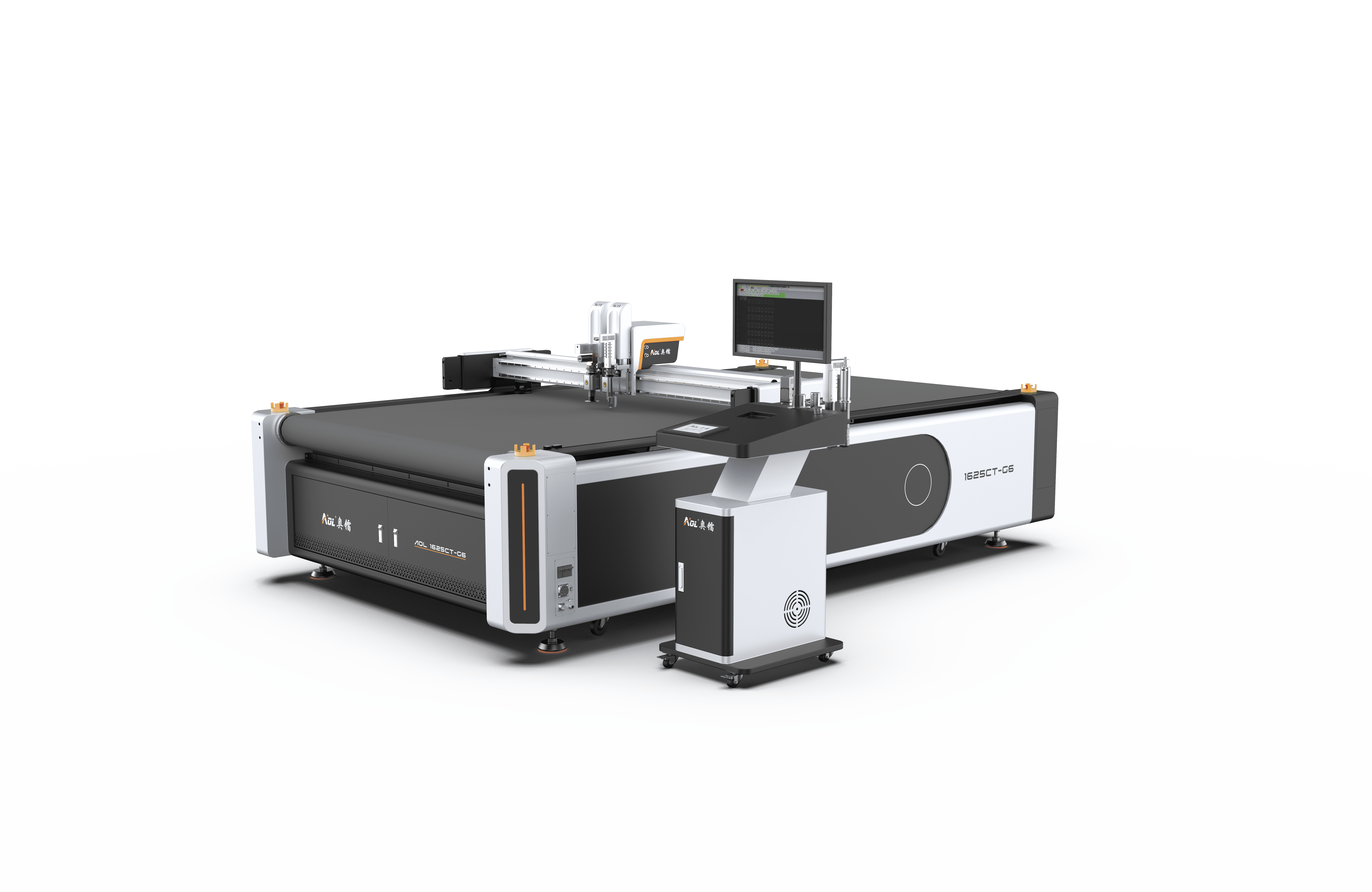
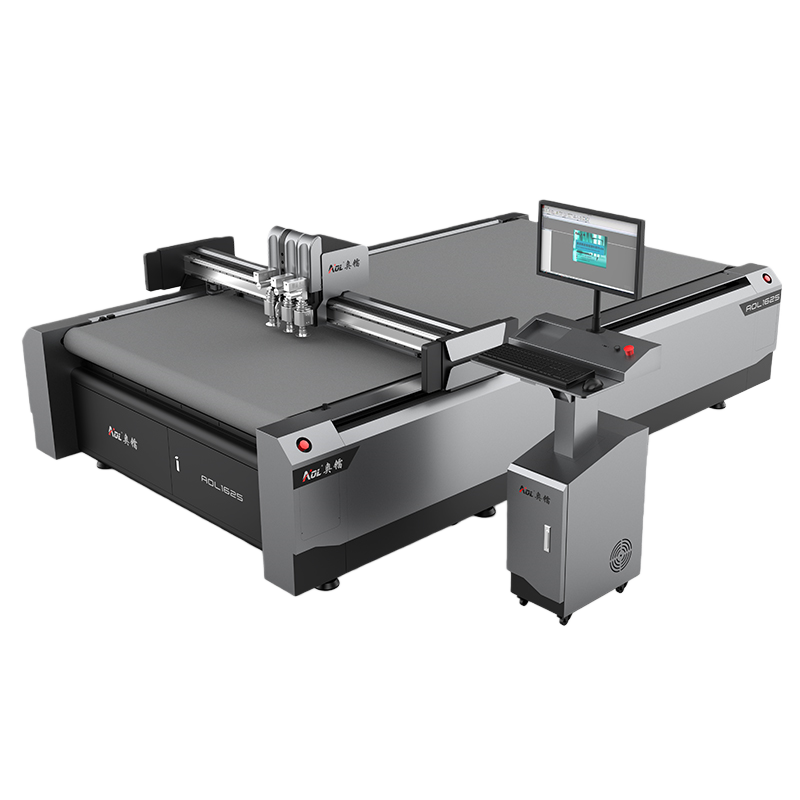
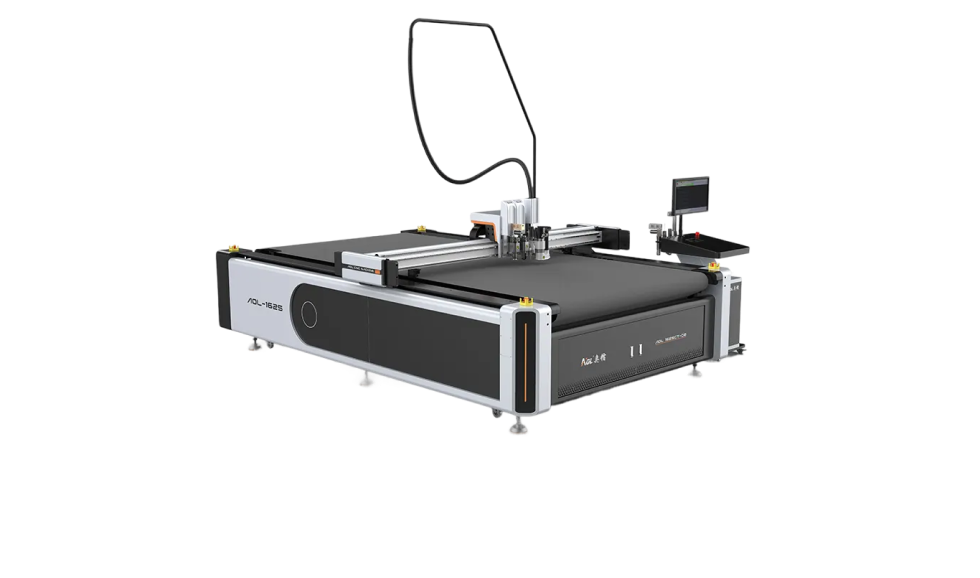
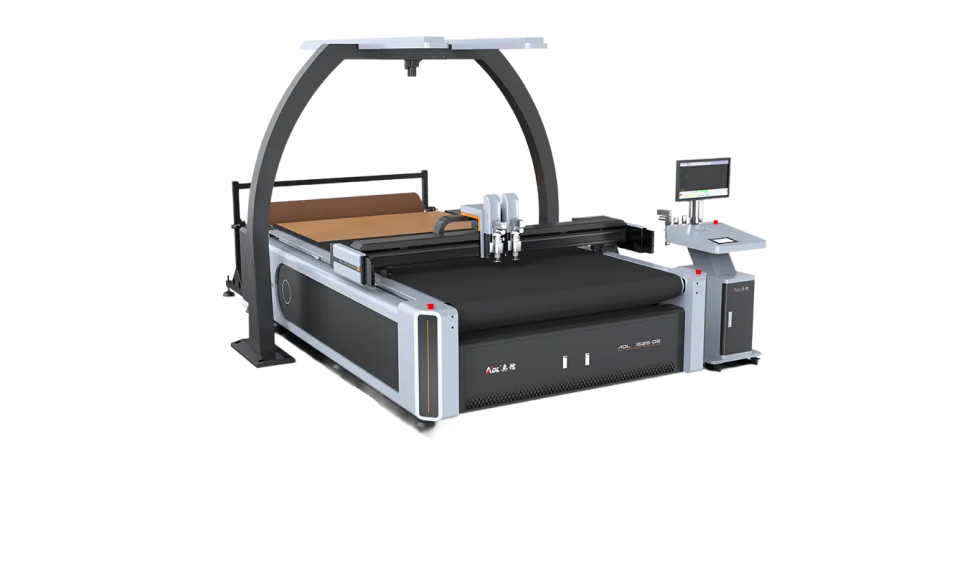
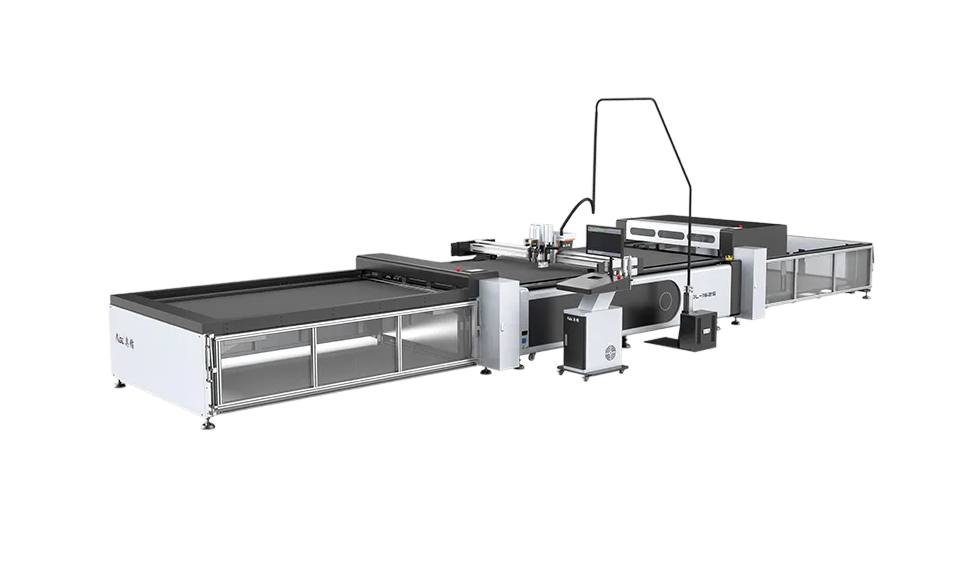
In the high-stakes world of textile and apparel production, the fabric pattern cutting machine has emerged as a transformative force, fundamentally redefining how manufacturers approach design and efficiency. This technology marks the definitive end of the paper pattern era by replacing manual, error-prone methods with computer-driven precision. Using advanced servo motors and seamless CAD integration, these machines ensure that every piece cut is identical to the last, providing a level of consistency that is absolutely critical for industries like automotive upholstery or high-end fashion, where even a millimeter of deviation can render a component useless. Beyond mere accuracy, the machine's most profound financial impact lies in its ability to maximize material yield; by utilizing intelligent nesting algorithms, it arranges patterns in the most efficient layout possible, typically saving between 3% to 7% of fabric that would otherwise be wasted as scrap, directly protecting the manufacturer's bottom line.
Furthermore, the fabric pattern cutting machine acts as a catalyst for speed and creative freedom, removing the traditional bottlenecks of the cutting room. In an age dominated by fast fashion and just-in-time delivery, these automated systems operate continuously, allowing a single operator to manage the output of what once required a team of manual cutters and enabling businesses to scale production overnight without sacrificing quality. This automation also liberates designers, as the machine can effortlessly handle the most intricate curves and complex notches that would be nearly impossible to replicate by hand, encouraging innovation rather than limiting it. Ultimately, by shifting the human role from strenuous physical cutting to skilled machine operation, it addresses chronic labor shortages and improves workplace safety, positioning the fabric pattern cutting machine not just as a piece of hardware, but as a comprehensive strategic asset for the modern manufacturer.