Beyond Cutting: Redefining Manufacturing Boundaries Across Industries
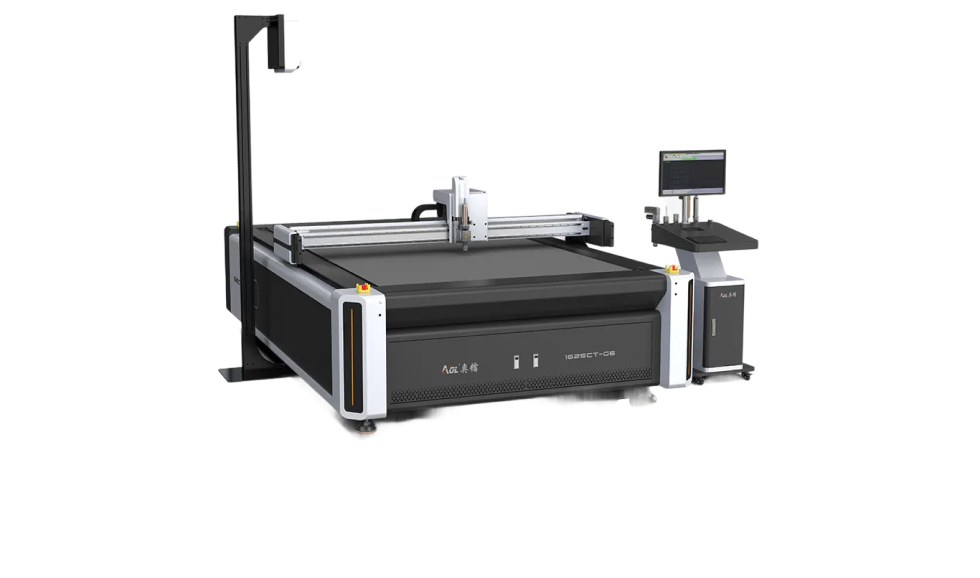
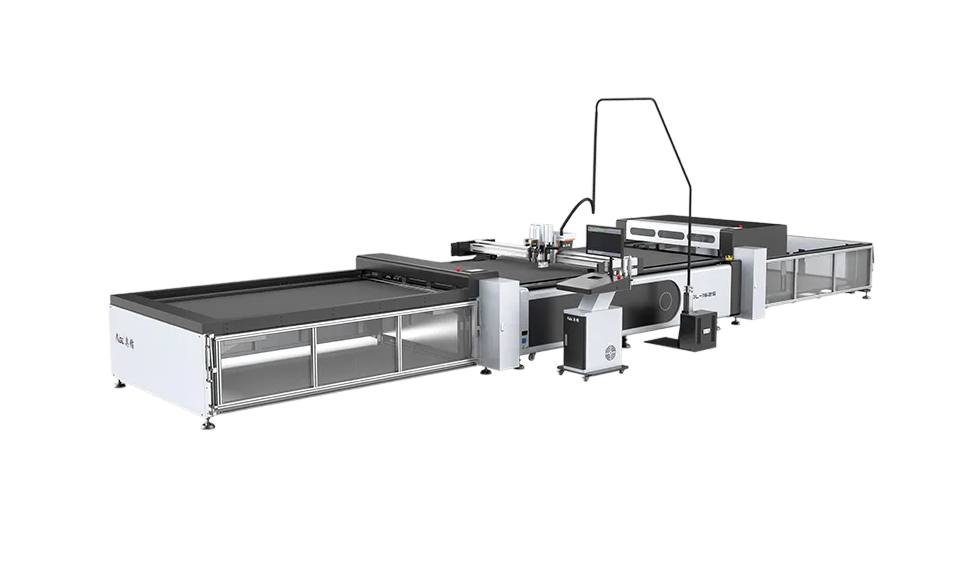
In modern industrial production, flatbed digital cutting machines are no longer merely tools replacing scissors—they have become the pivotal bridge connecting design to finished products. Whether handling rigid sheets or flexible rolls, this equipment handles the task with ease.
In the signage and graphic display industry, it serves as the core engine for short-cycle customized production. From cutting acrylic illuminated letters and forming foam PVC exhibition panels to executing precise semi-cut processes on vehicle wraps, flatbed cutters have revolutionized traditional signage factory operations. They eliminate costly mold fees for individual orders, enabling businesses to offer “same-day delivery” custom signage services at minimal expense and significantly enhancing market responsiveness.
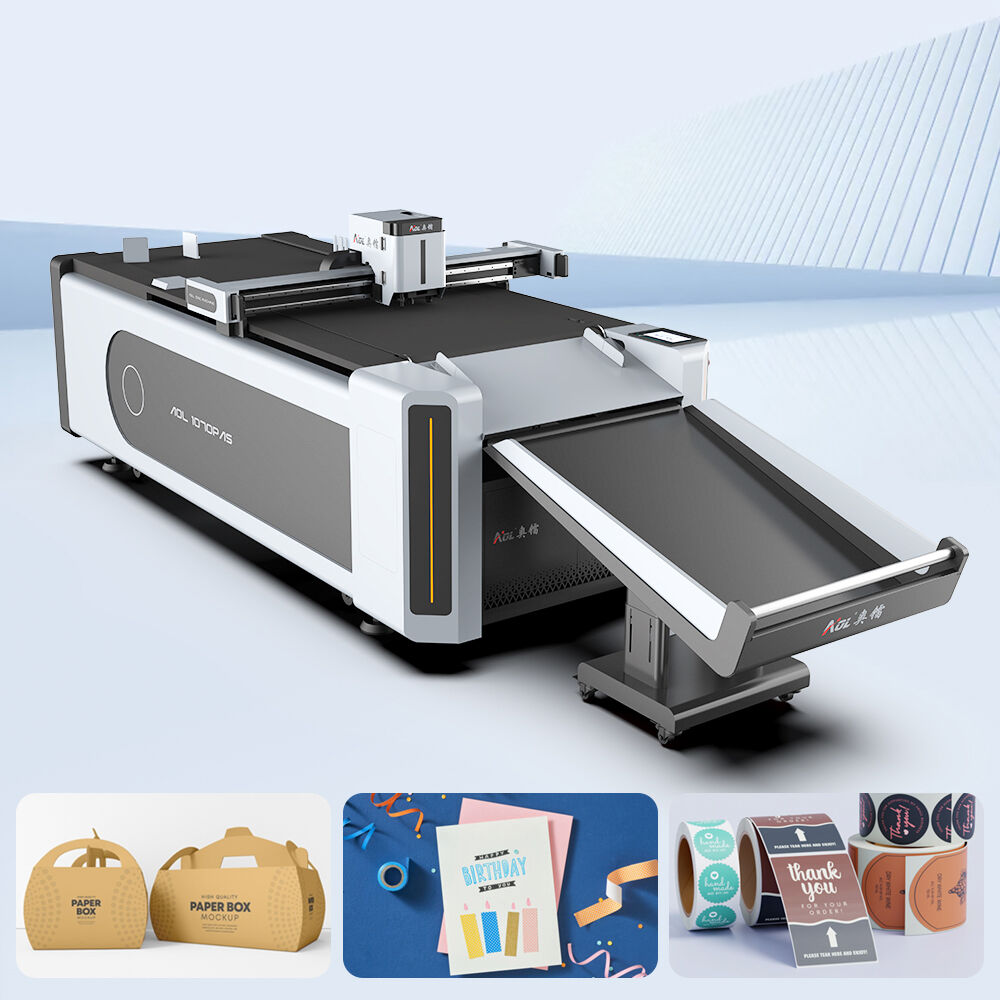
In packaging and paper processing, it serves as the structural designer's indispensable assistant. Whether rapidly prototyping corrugated boxes or precisely die-cutting folding cartons, this equipment transforms design drawings into physical models within hours. This capability shortens product development cycles from weeks to hours, allowing designers to repeatedly test structural integrity and display effects before mass production. This drastically reduces R&D risks and time-to-market.
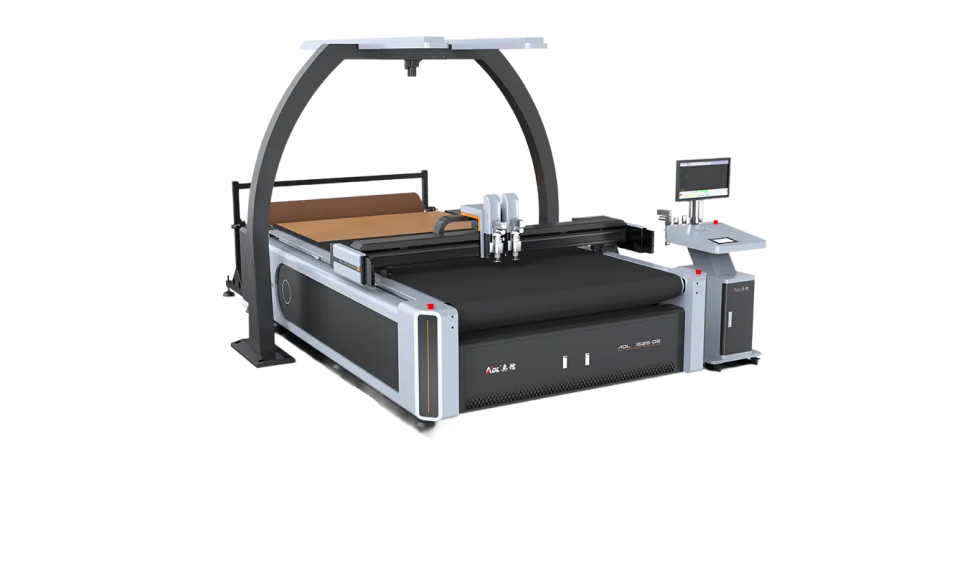
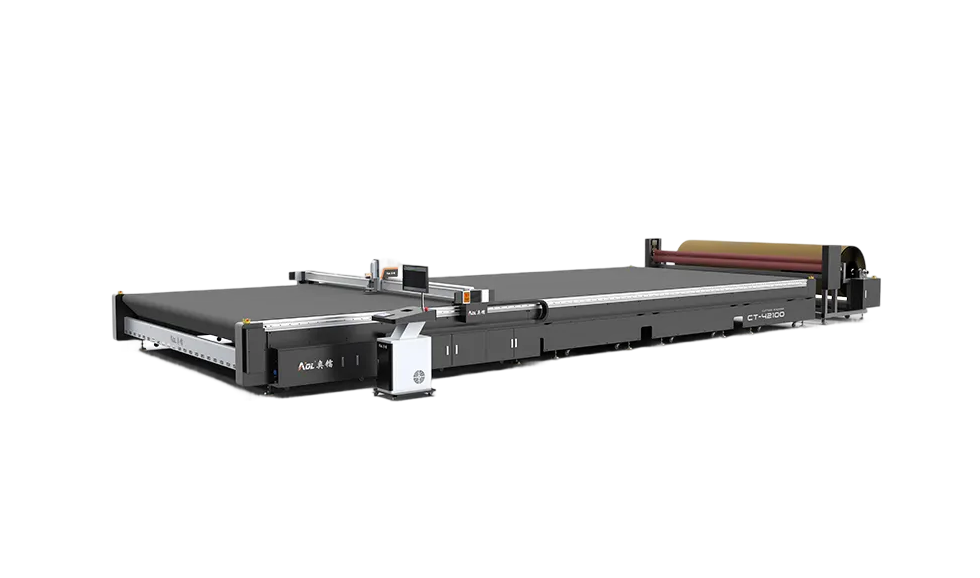
For industrial textiles and apparel manufacturing, it drives the industry upgrade from manual cutting to automated cutting. Whether processing composite fabrics for automotive interiors, industrial mats, or multi-layer canvas/denim, flatbed cutters typically help businesses save 10%-15% on expensive fabric costs through their vibration-free cutting platforms and intelligent layout algorithms. More importantly, it automatically seals edges when cutting synthetic fibers, effectively preventing fraying and thread loosening to ensure finished product quality.
In high-precision fields like composite materials and industrial components, its value lies in processing capabilities for high-performance materials. Aerospace and shipbuilding enterprises utilize it to trim carbon fiber prepregs, cut fiberglass insulation layers, or form rubber gaskets. Equipped with oscillating or pneumatic blades, it maintains clean cuts without crushing thick, rigid materials, meeting heavy manufacturing's stringent demands for precision and reliability.
For retail display and point-of-purchase (POP) manufacturers, it serves as a secret weapon for creative differentiation. Whether constructing large vertical displays from hollow-core panels or cutting intricate curved shapes from foam boards for window decorations, the flatbed cutter effortlessly handles materials exceeding 2 inches in thickness. This capability empowers display companies to create visually striking, structurally complex three-dimensional pieces in retail environments, helping them stand out in competitive markets.
Finally, within the specialized market of sealing gaskets and industrial consumables, it pioneers a new “on-demand production” business model. Materials like rubber, felt, cork, and neoprene can all be cut mold-free using this equipment. This means manufacturers can completely eliminate the constraints of minimum order quantities. They can even produce a single non-standard gasket for repairing an old piece of equipment, thereby revitalizing inventory and capturing high-margin custom orders.

 EN
EN