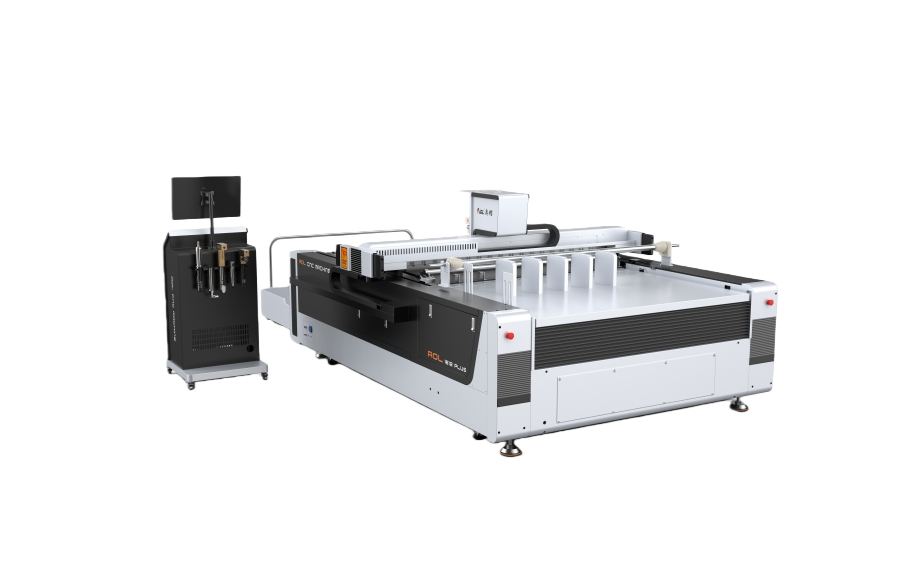
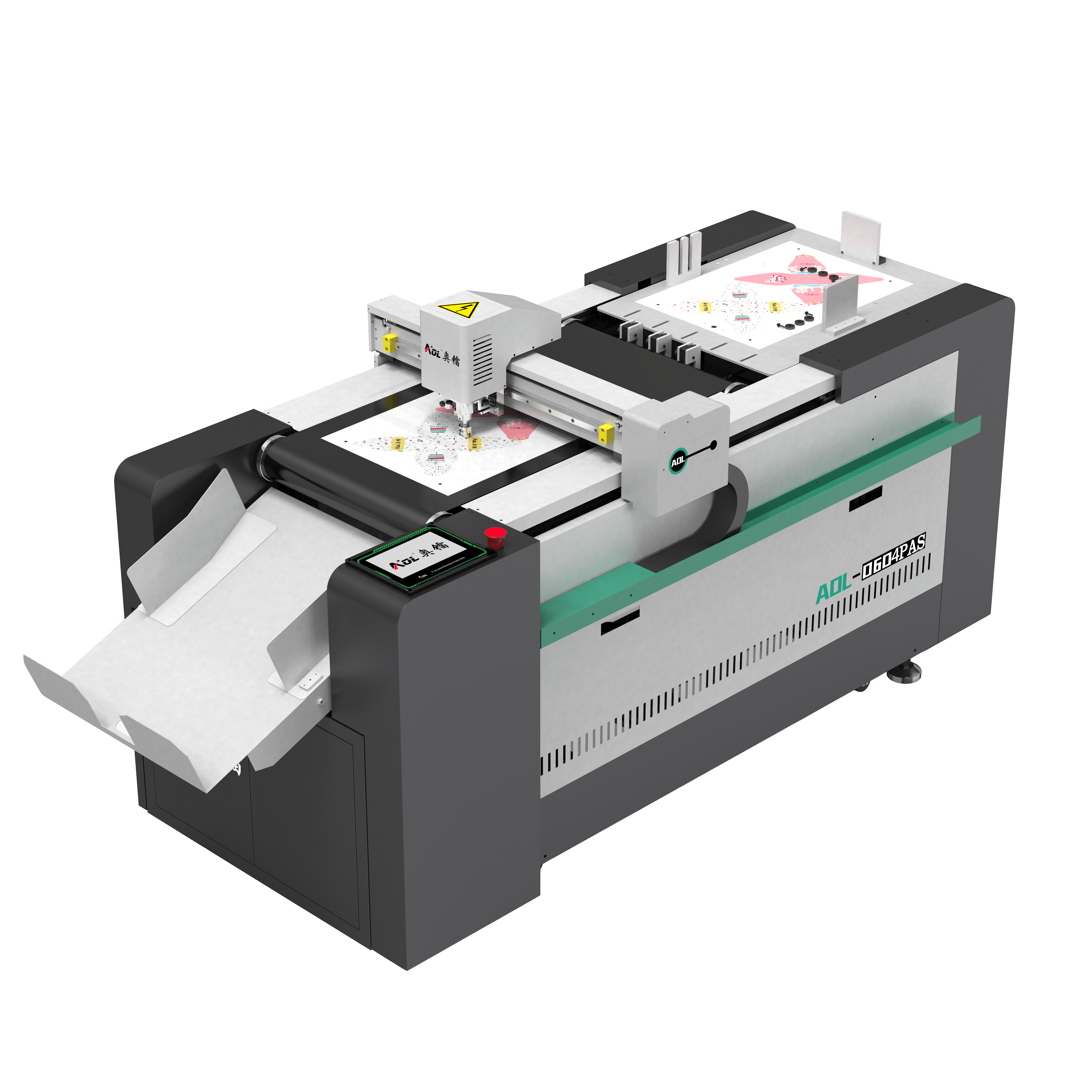
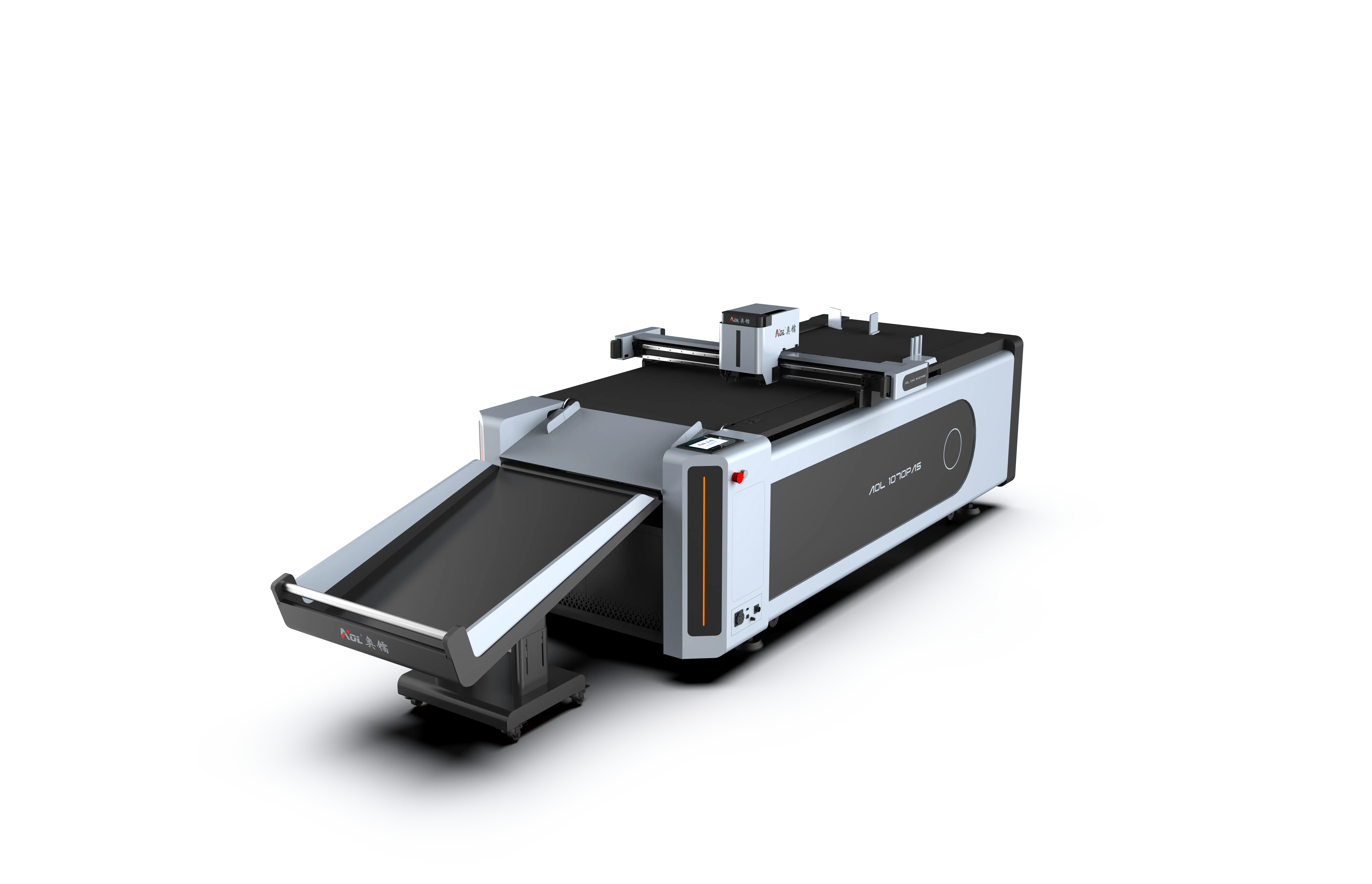
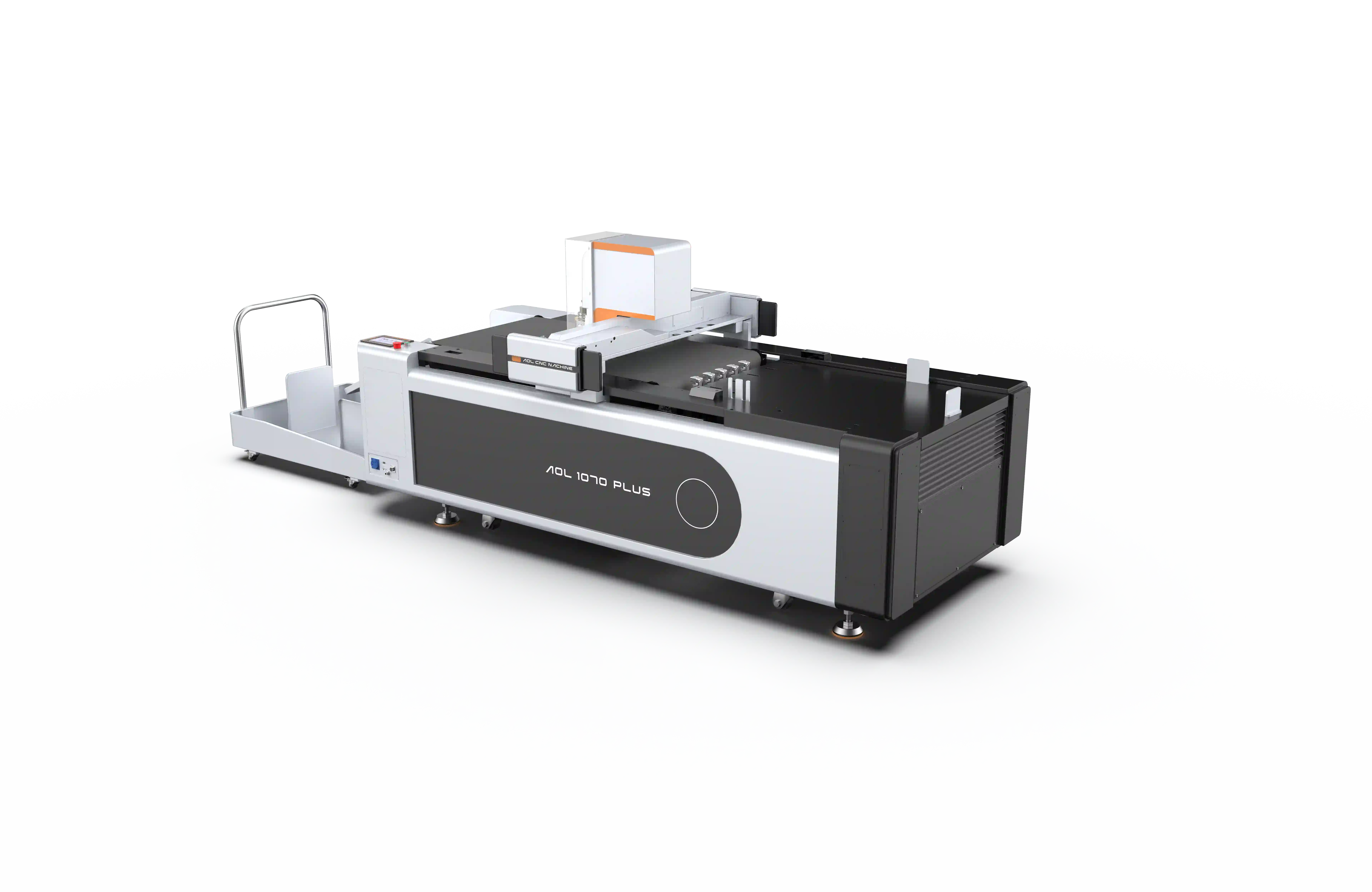
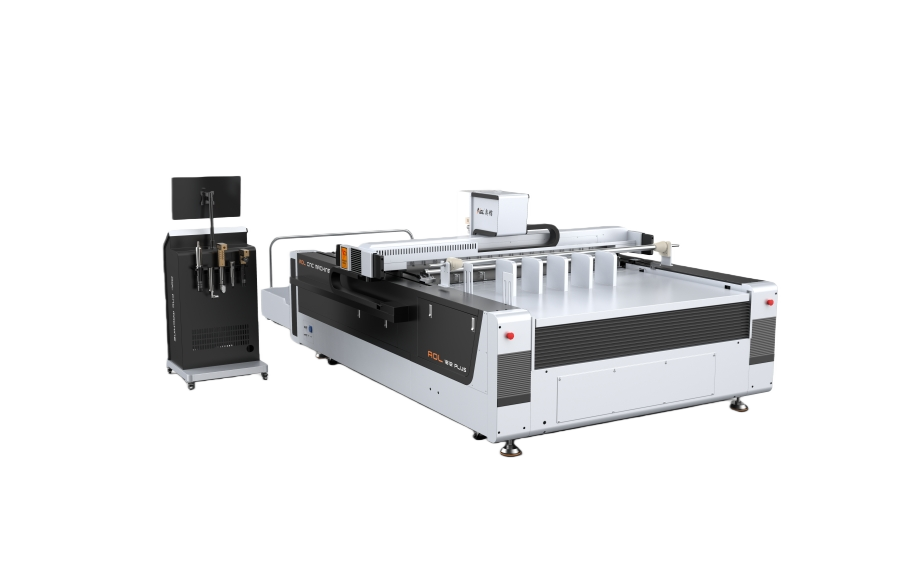
Platform-style plotter cutters are not merely cutting devices; they are core digital manufacturing tools that integrate high precision, multifunctionality, and efficient production. Their stable platform design and powerful cutting capabilities enable precise processing of a wide range of media—from flexible materials like vinyl, fabric, and film to rigid materials such as acrylic, foam board, balsa wood, and even composite materials. This versatility makes them applicable across multiple critical fields, spanning creative design to industrial manufacturing.
In visual communication and signage industries, it serves as the cornerstone for producing indoor/outdoor signage, vehicle wraps, exhibition components, and architectural lettering. For packaging and prototyping, it is indispensable for rapidly and precisely cutting packaging prototypes, luxury gift boxes, and performing die-line verification, significantly shortening the cycle from design to physical product. In industrial and functional component manufacturing, its value shines in precision cutting gaskets, seals, EMI shielding components, industrial masks, and composite prepregs, ensuring production consistency and reliability.
Furthermore, this equipment is driving innovation in the textile, apparel, and soft materials industries by cutting patterns for clothing and footwear, leather goods, and furniture upholstery fabrics. It also serves as a powerful enabler in creative arts and personalized customization, empowering creators to produce intricate paper crafts, personalized stickers, decorations, and models, making small-batch, highly customized production feasible.
Underpinning these diverse applications are its core strengths: unparalleled material compatibility, ultra-high registration accuracy via camera systems, efficient material utilization and waste minimization through intelligent nesting software, and seamless integration with digital workflows.
In essence, platform-based plotter cutters have become the pivotal bridge connecting creativity with manufacturing, prototyping with mass production. Their application boundaries continue to expand alongside advancements in material science and the evolution of user innovation, establishing them as a strategic choice for numerous industries seeking to enhance competitiveness, achieve personalized manufacturing, and enable agile production.

 EN
EN