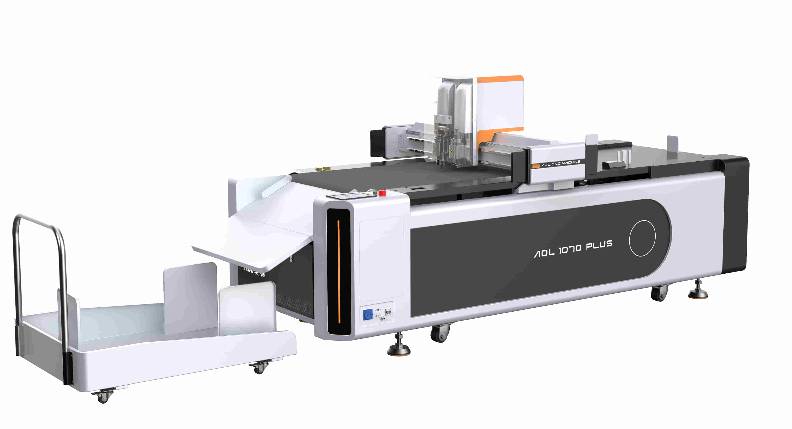
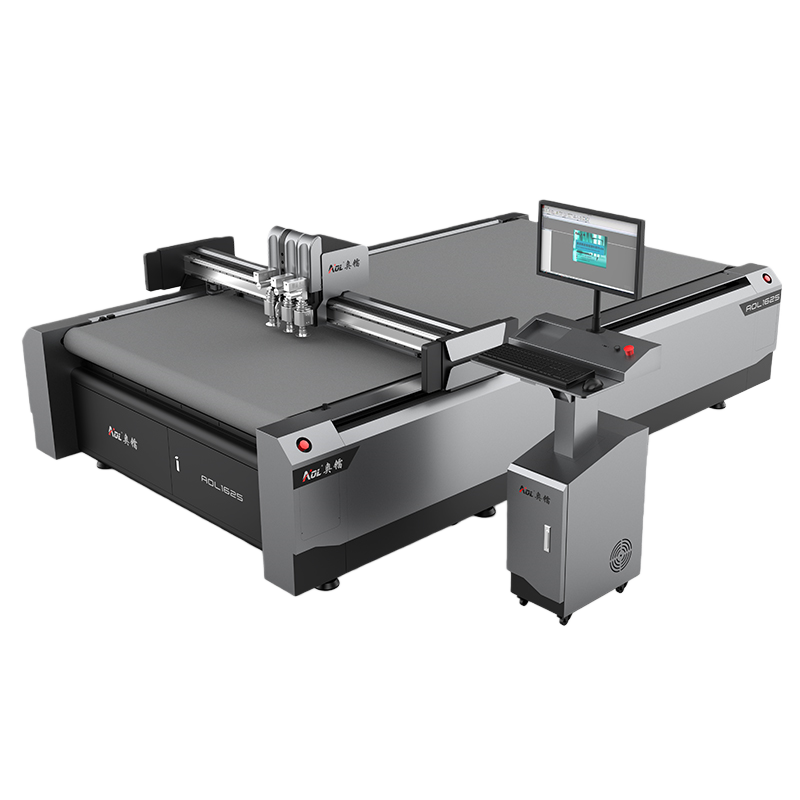
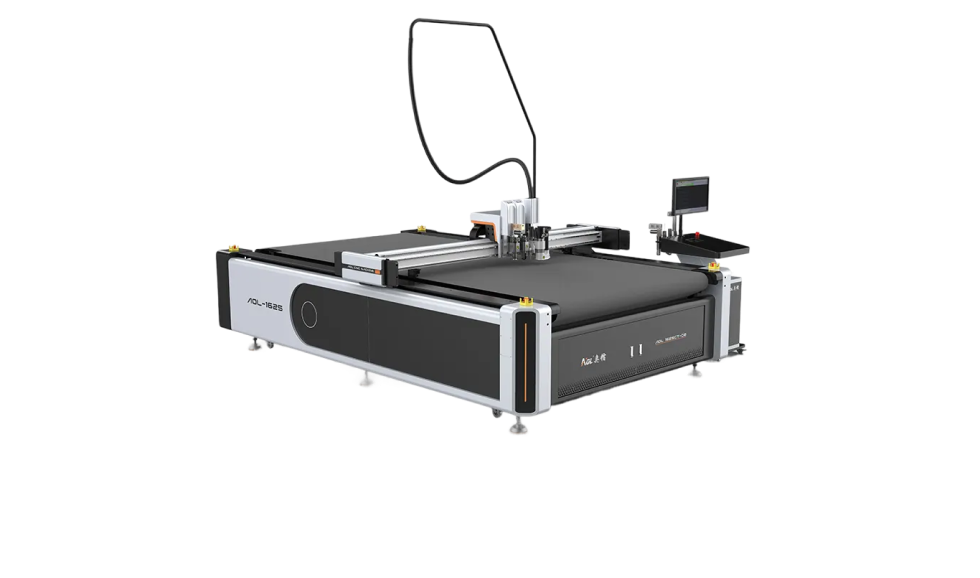
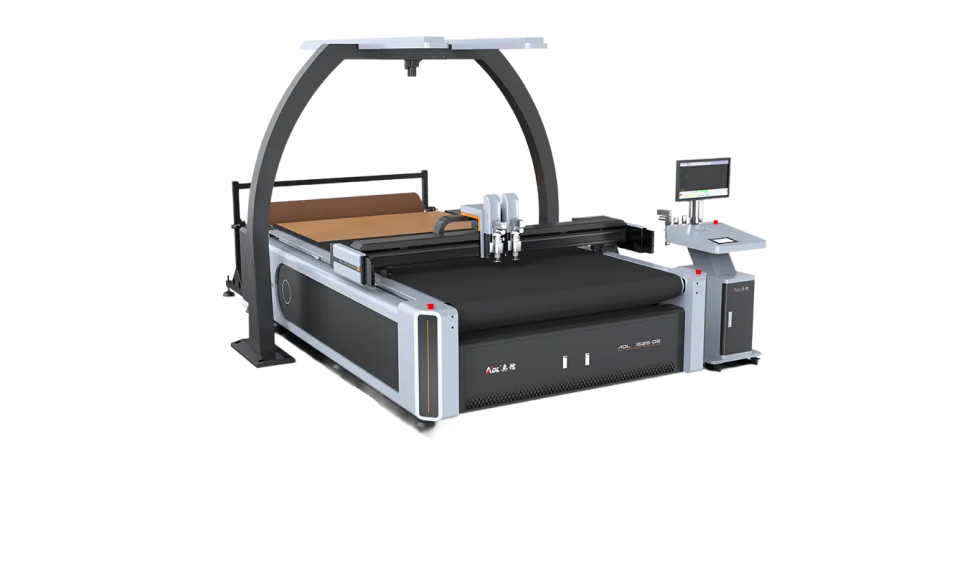
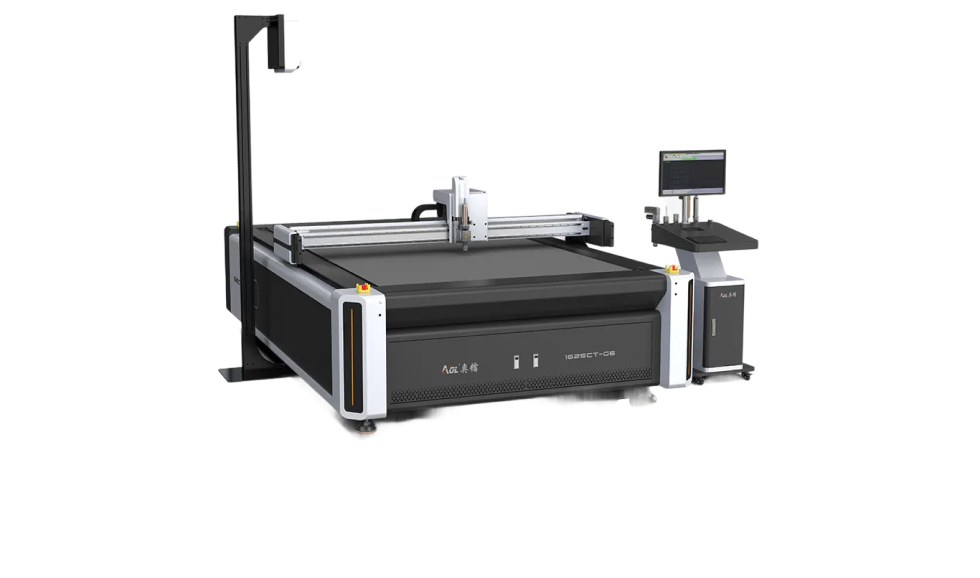
In the modern digital printing and signage production sector, the advent of flatbed cutters represents not merely an equipment upgrade, but a qualitative leap in production capabilities. While traditional roll-fed cutters offer cost-effectiveness, their operational principles limit them to flexible roll materials, severely restricting business scope. The strategic significance of flatbed cutters lies in their complete elimination of the physical constraint that “materials must be bendable.” This breakthrough expands signage production beyond simple sticker printing into the realms of three-dimensional displays and industrial applications.
First, the greatest value of flatbed cutters lies in their ability to process rigid substrates. Whether it's Coroplast hollow boards for political campaign signs, Foamcore boards for exhibitions, or heavy magnetic vehicle wraps, flatbed cutters handle them with ease. They enable processing plants to directly cut sheets over half an inch thick, opening doors to high-margin businesses like POP displays, industrial gasket manufacturing, and dimensional letter cutting.
Second, flatbed technology offers unmatched advantages in precision and yield rates. Traditional cutters often suffer from stretching or misalignment during roll-to-roll processing, leading to registration errors during contour cutting. Flatbed cutters utilize vacuum suction technology to securely anchor materials onto a level surface. Combined with high-precision cameras reading positioning marks, they achieve flawless contour cutting of complex, colorful patterns. This means scrap rates are minimized when handling high-value car decals or intricate logo die-cuts.
Furthermore, the introduction of flatbed cutters has profoundly transformed workshop workflows and labor cost structures. Traditional cutting requires constant operator monitoring for material misalignment or jams. Flatbed cutters support “batch loading,” allowing operators to place multiple sheets on the cutting bed, start the job, and then move on to design or post-production tasks. This “unattended” operation capability significantly increases equipment uptime, enabling factories to complete more orders in less time.
Finally, from a business diversification perspective, flatbed cutters empower traditional sign shops to handle industrial-grade orders. Beyond cutting standard vinyl films, they process specialty materials like sandpaper, textiles, and even thin wood veneers. Thus, this equipment transcends mere “letter cutting”—it functions as a digital precision finishing center, serving as a critical stepping stone for signage businesses transitioning from “low-end quick printing” to “high-end custom manufacturing.”

 EN
EN