
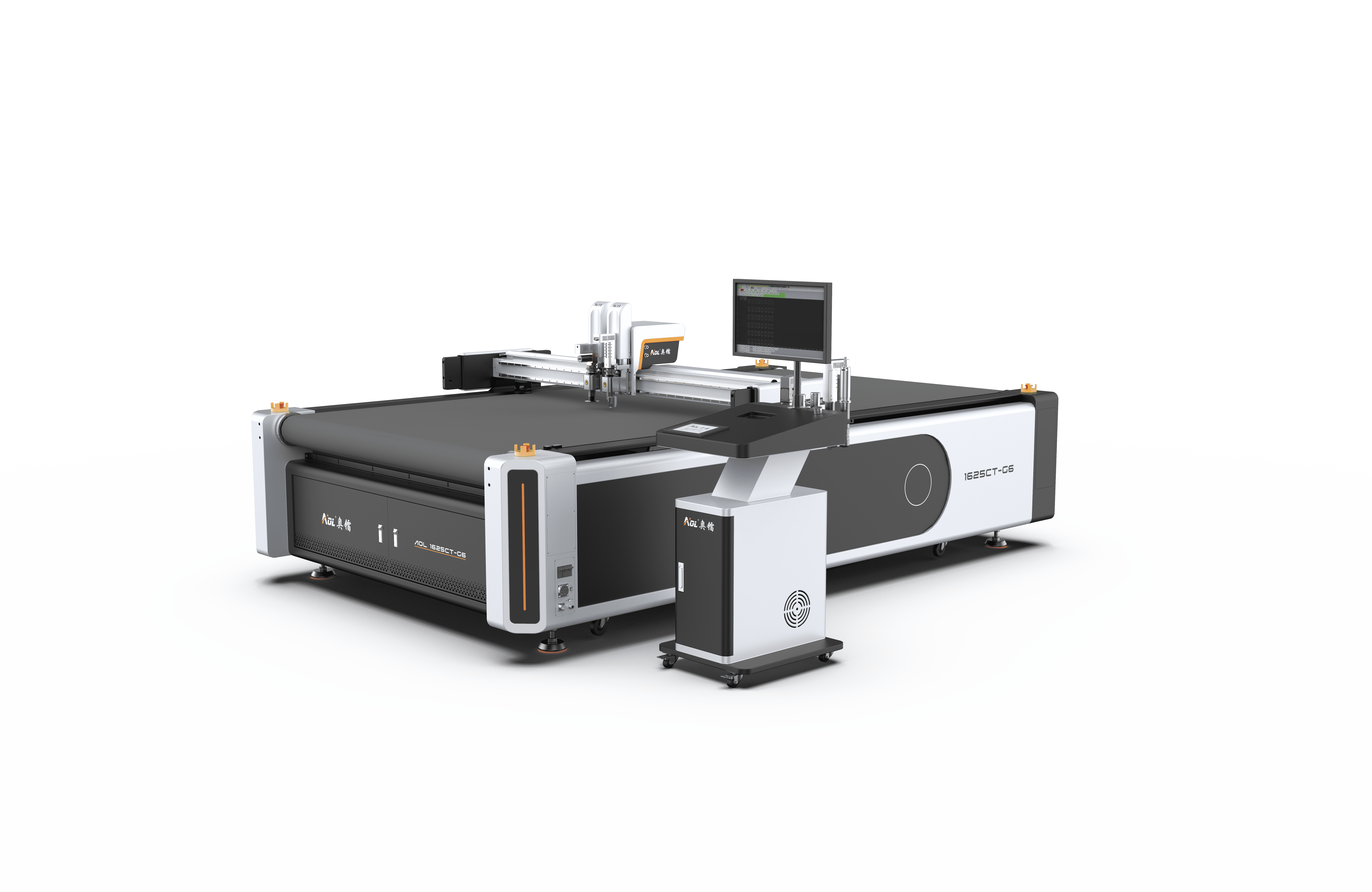
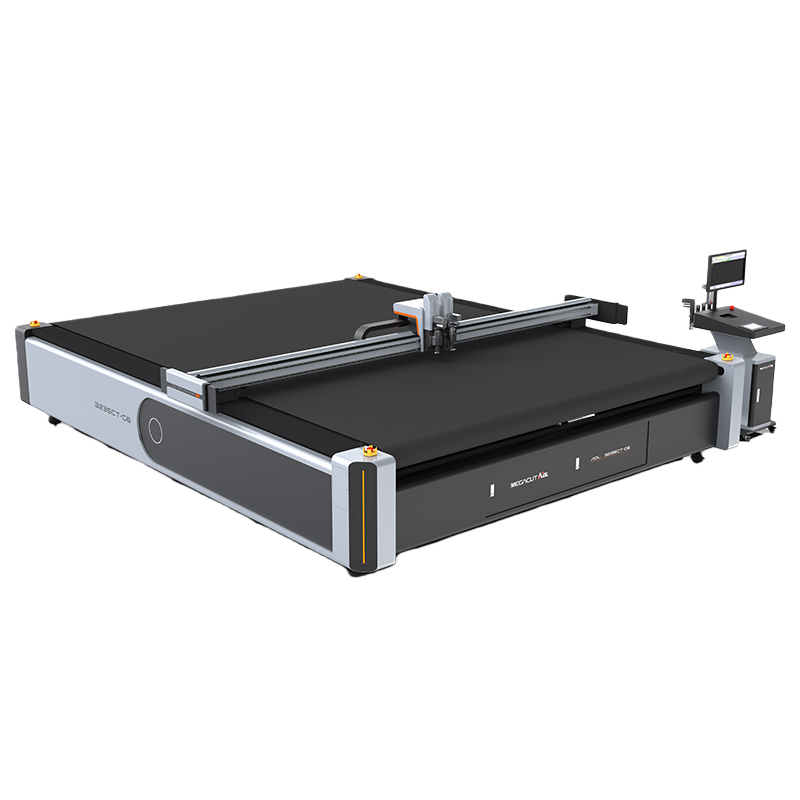
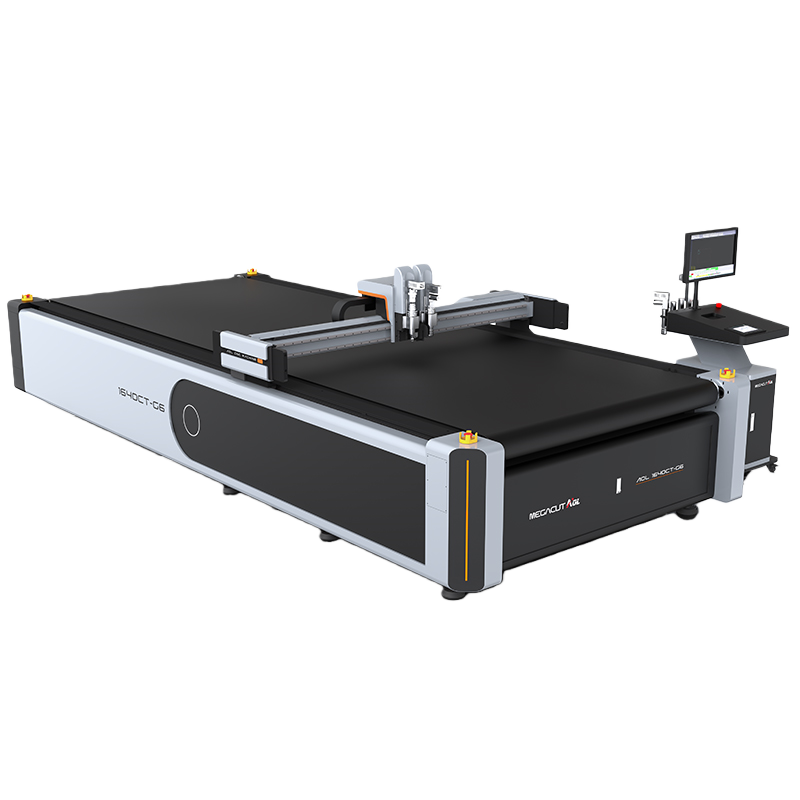
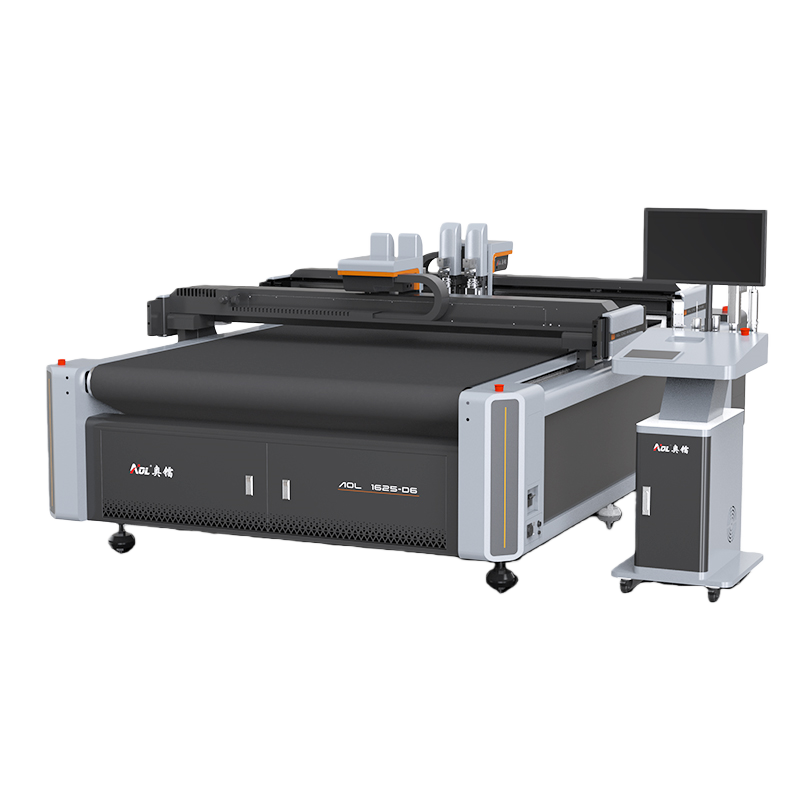

In today's fiercely competitive textile and apparel manufacturing industry, profit margins often hinge on the efficiency of the cutting room. The advent of fully automated fabric spreading and cutting systems represents not merely an equipment upgrade, but a production revolution transforming operations from “labor-intensive” to “technology-driven.” Its primary value lies in significant economic benefits: Since fabric costs can account for 50%-70% of total garment expenses, the system employs AI-driven intelligent layout algorithms to minimize gaps between patterns, maximizing fabric utilization to its limits. This typically reduces material waste by up to 15%. Simultaneously, it completely eliminates human cutting errors caused by visual fatigue or hand tremors, ensuring every cut piece is precise. This prevents rework and scrap in subsequent sewing processes due to dimensional mismatches, achieving cost reduction and efficiency gains at the source.
In terms of production capacity and labor utilization, the fully automated cutting system is key to overcoming the industry's labor shortage bottleneck. It operates continuously at a constant speed far exceeding manual capabilities, maintaining the same high efficiency whether cutting the first layer or the thousandth layer of fabric. This truly enables predictable output and explosive growth in production volume. More importantly, it frees workers from dangerous, repetitive, high-intensity labor, allowing companies to reassign personnel to higher-value roles such as equipment monitoring and quality inspection. This reduces the risk of workplace injuries while optimizing the overall labor cost structure.
Furthermore, the system's core advantage lies in its unparalleled flexibility and process adaptability. Facing today's fast-paced market demands for “small batches and multiple styles,” the fully automated cutting system can switch from cutting heavy denim to lightweight stretch sports fabrics within minutes, enabling manufacturers to confidently handle diverse orders. For challenging materials like carbon fiber and silk—which defy traditional processing—the system's vibration blades, ultrasonic or laser cutting heads, and static suction platforms deliver precision cutting without stretching or damaging fabrics. This ensures smooth, fray-free edges for high-end products, upholding the quality standards essential for premium goods.