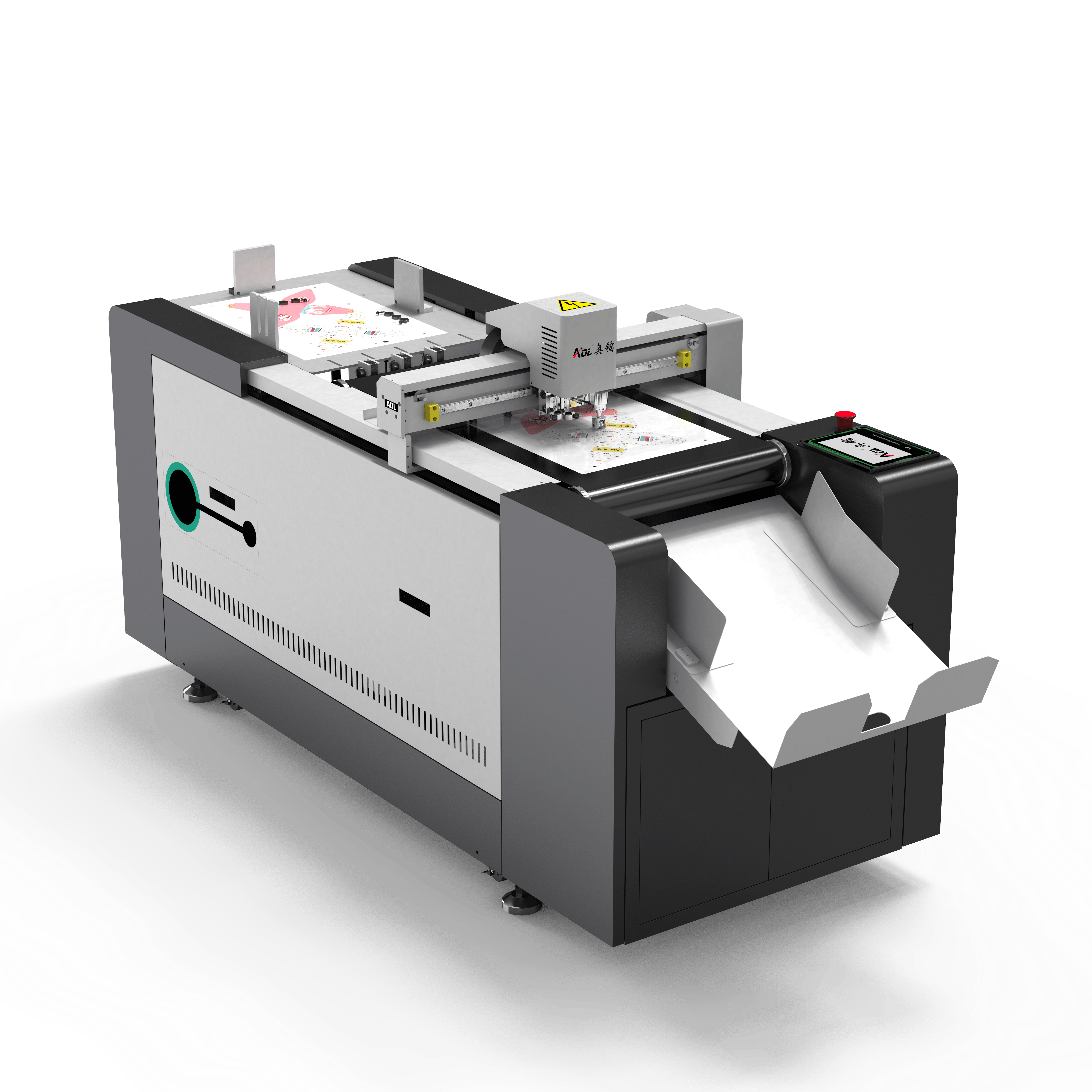
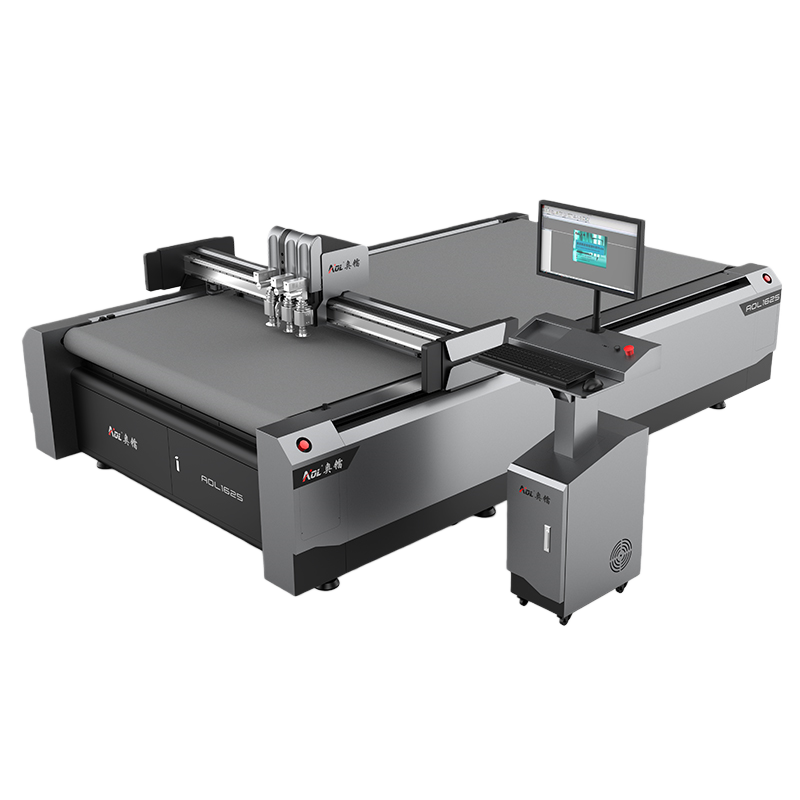
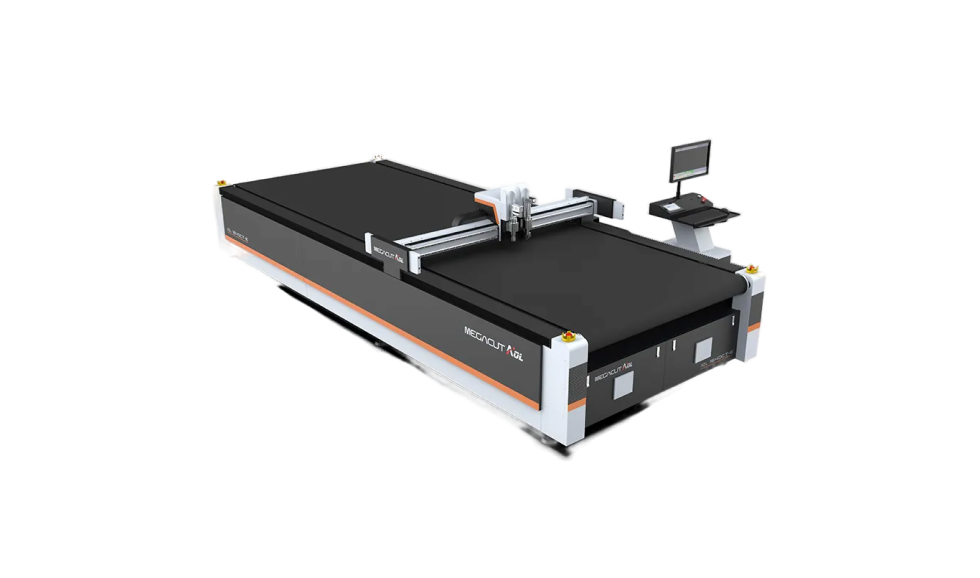
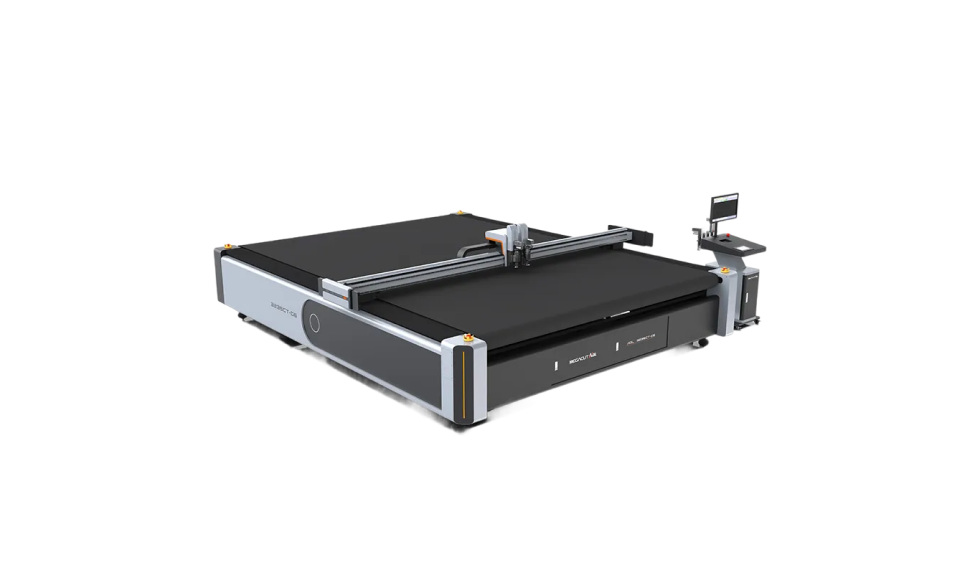
Graphite gaskets have become indispensable core components in industrial sealing applications due to their exceptional high-temperature resistance (up to 500°C), chemical corrosion resistance, and superior sealing performance. However, the ultimate effectiveness of a gasket depends 20% on the material and 80% on cutting precision. Investing in professional graphite gasket cutting equipment is not merely purchasing a machine—it opens the door to a diverse, high-profit market.
In the petrochemical and refining industries, continuous and safe equipment operation is paramount. Pipeline connections, heat exchangers, and valves face extreme demands on seal reliability when exposed to hydrocarbons and high-temperature steam. During plant maintenance, urgent needs often arise for non-standard sized replacement parts. Manufacturers equipped with high-efficiency cutting equipment can offer rapid “same-day customization” services. This not only resolves customers' urgent needs but also establishes a core competitive advantage with premium pricing in the emergency repair market.
In power generation—whether thermal, nuclear, or combined heat and power plants—boiler manholes, turbine casings, and flue damper doors require seals capable of withstanding thermal cycling impacts. Conventional cutting methods often cause graphite material delamination or edge chipping, leading to leaks under high-pressure steam. Only specialized cutting equipment can ensure the intact fiber structure of flexible graphite sheets, meeting the power industry's stringent requirements for “zero leakage” and “creep resistance.”
In chemical processing and pharmaceutical industries, sealing corrosive media (such as strong acids and solvents) poses a significant challenge. Traditional rubber or fiber gaskets are highly prone to failure in such environments. Graphite, with its inherent chemical inertness, has become the preferred material for sealing glass-lined reactors and storage tanks. These chemical vessels often feature unusual shapes and non-standard dimensions, demanding a high degree of gasket customization. In such cases, advanced graphite gasket cutting equipment serves as the technical foundation for manufacturers to undertake these high-value-added, complex-shape orders.
As the automotive industry evolves toward downsizing and turbocharging, engine compartment temperatures have significantly increased. In automotive and marine manufacturing, demand for heat-resistant seals in turbocharger interfaces and exhaust manifolds has surged. Specialized cutting equipment enables rapid prototyping and small-batch production of thin graphite gaskets, meeting the dual demands for precision and speed in the high-performance aftermarket.

 EN
EN