
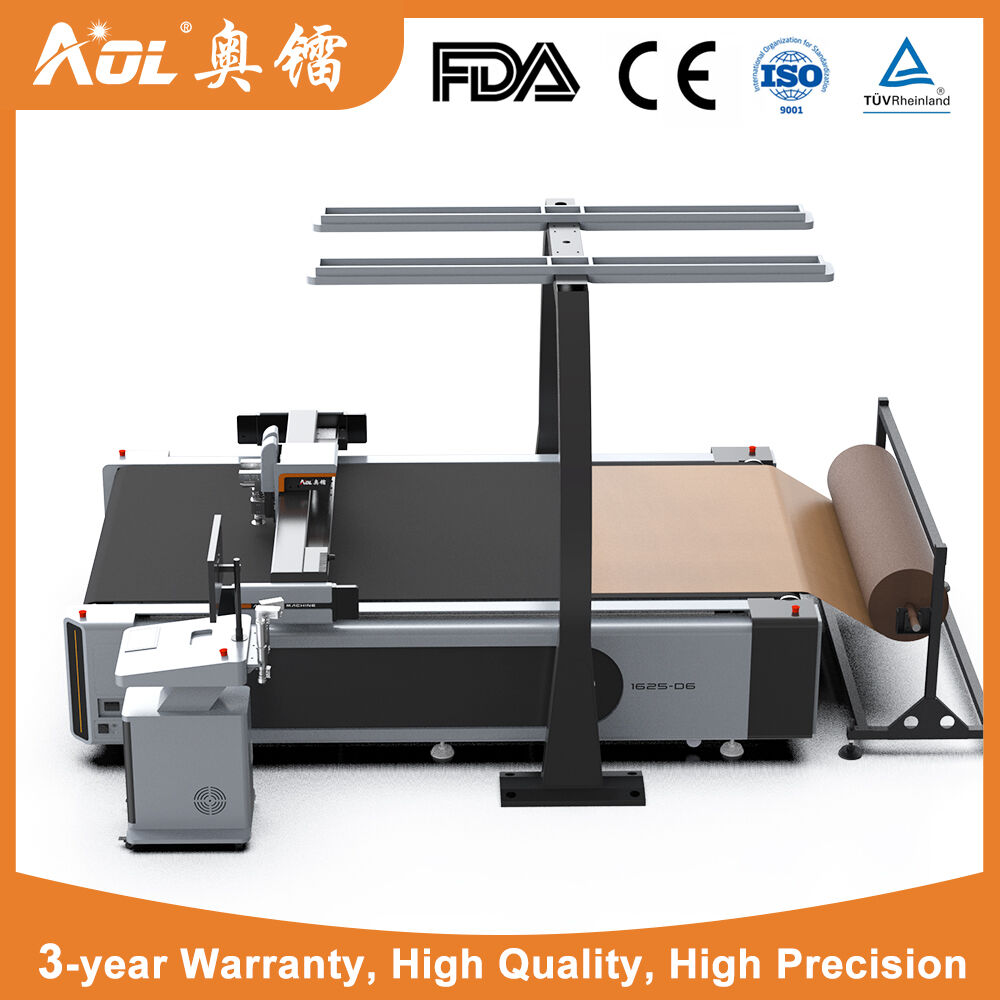
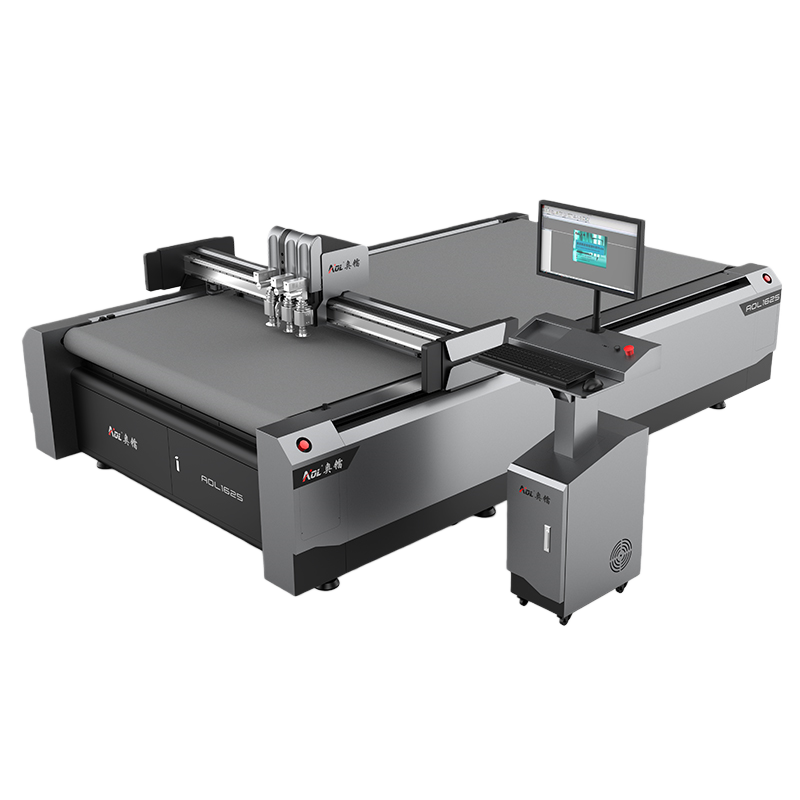
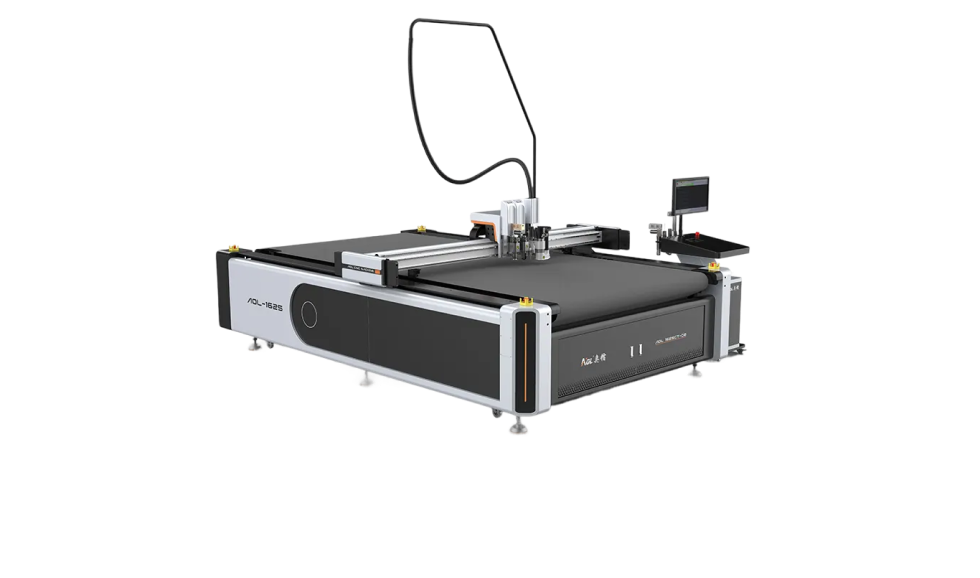
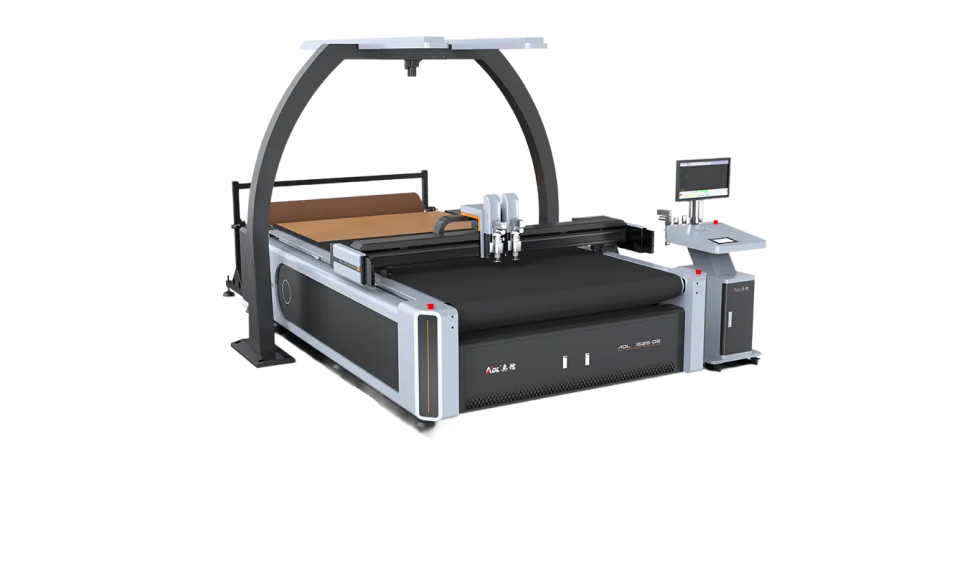
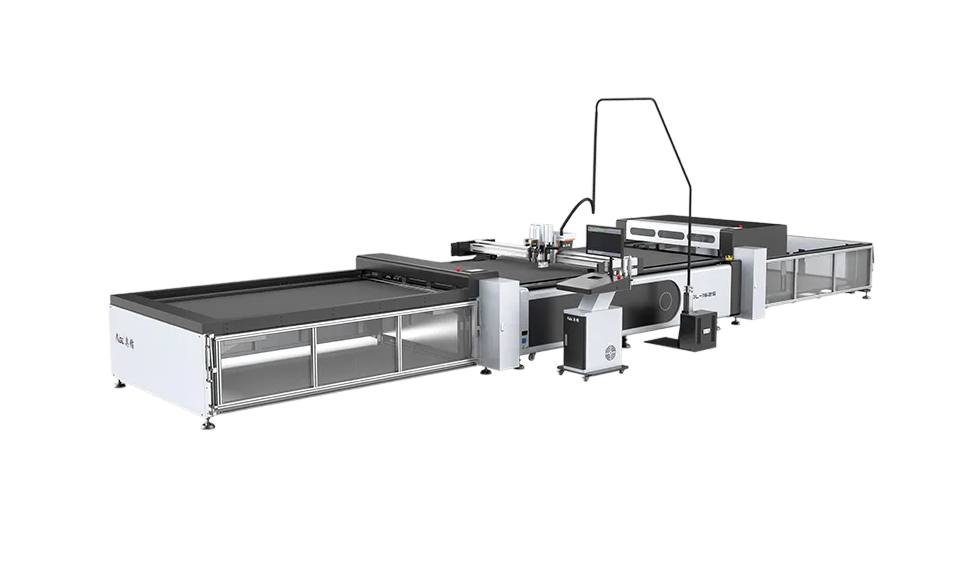
In today's fiercely competitive manufacturing landscape, the industrial fabric pattern cutting machine has evolved beyond being merely a production tool—it has become a core strategic asset that determines a company's competitiveness. The significance of this machine is first evident in its complete transformation of traditional production's reliance on manual labor. Historically, production cycles were entirely constrained by the experience and physical stamina of skilled cutters. Any workforce turnover or fatigue compromised precision and efficiency. Industrial-grade automated cutting machines eliminate human bottlenecks through their 24/7 stable output, ensuring the ability to fulfill large-scale orders.
Economically, this equipment serves as a critical tool for cost control. Fabric often represents the largest raw material expense in apparel, home textiles, and automotive interior industries. The intelligent nesting algorithms integrated into automatic cutting machines arrange patterns with precision unattainable by human eyes, typically reducing fabric consumption by 10% to 15%. In high-volume production sectors with slim profit margins, such direct material savings translate directly into net profit. More significantly, it empowers manufacturers to embrace the era of “mass customization.” Faced with complex curves, precise positioning marks, and fast-response orders for small batches and multiple styles, traditional manual cutting becomes unsustainable. Digital cutting tables, however, require only the import of CAD files to execute with precision, making personalized orders profitable.
Furthermore, the strategic significance of this equipment lies in its broad material adaptability. It handles not only conventional woven and knitted fabrics but also high-tech composites for aerospace, multi-layer leather for automotive interiors, and sensitive non-woven fabrics for medical protection. This cross-industry capability allows enterprises to expand their business boundaries into the high-value-added technical textiles sector. Finally, from an ROI perspective, industrial cutting tables deliver transformative value: they consolidate the work of multiple skilled operators into a single-person operation, restructuring labor costs; they ensure cutting precision through vacuum suction and anti-shifting technology; and they drastically shorten production cycles, empowering businesses to handle rush orders and high-margin contracts. In essence, investing in an industrial-grade fabric cutting machine represents an investment in the intelligent upgrade of production lines. It is an inevitable choice for maintaining core competitiveness and achieving sustainable development in a market environment characterized by rising labor costs and compressed delivery cycles.