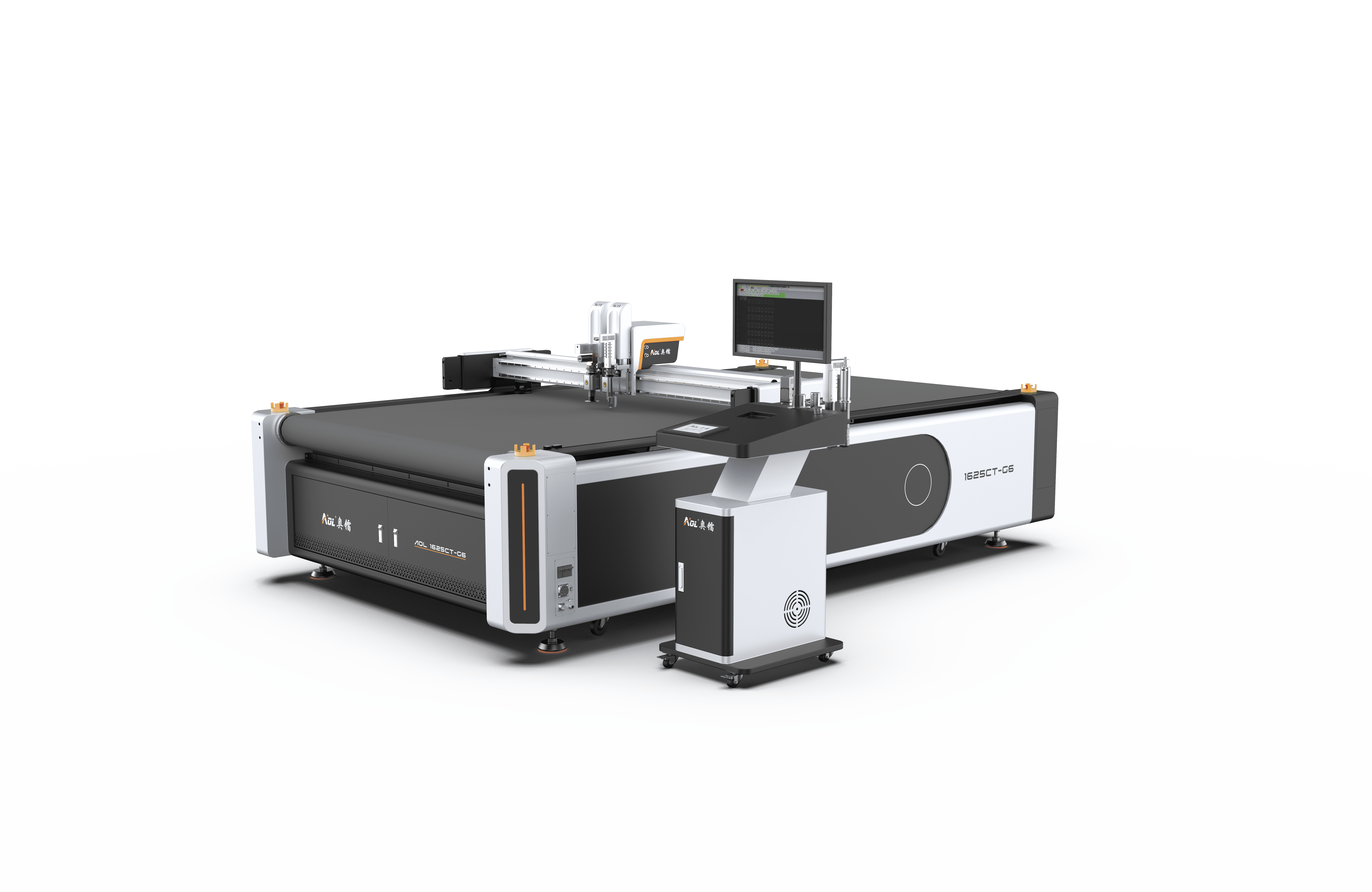
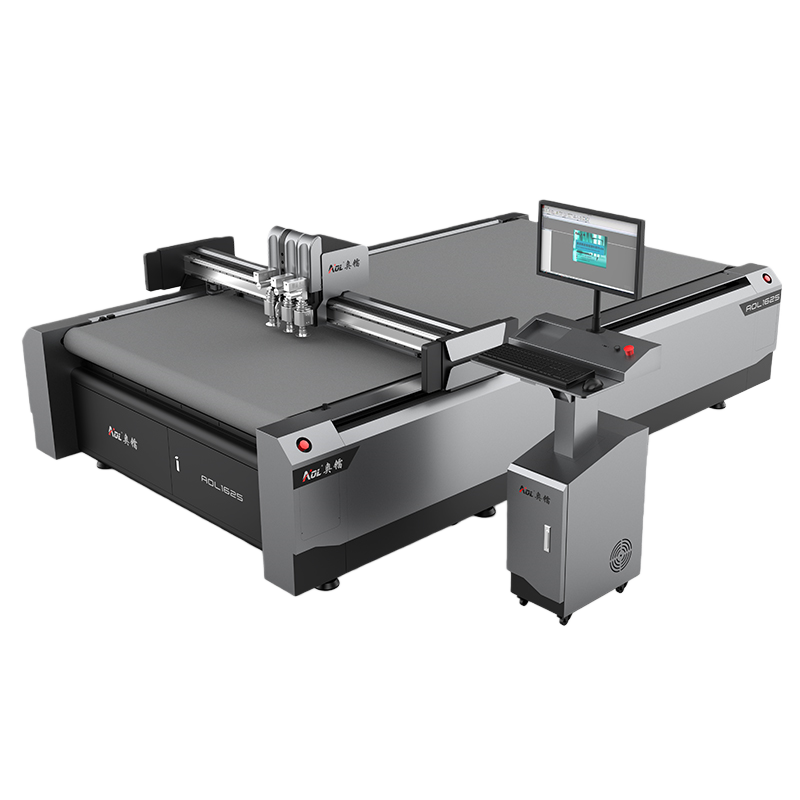
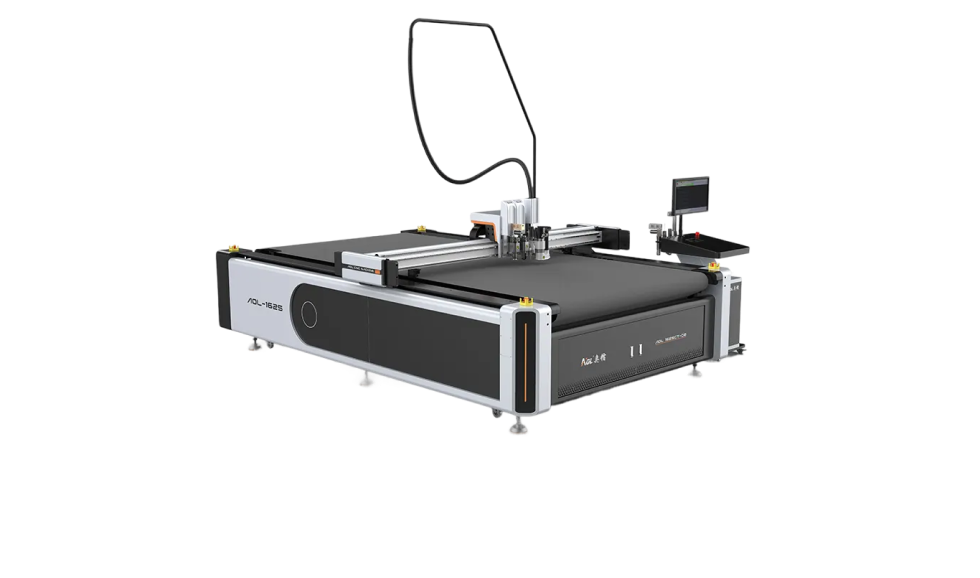
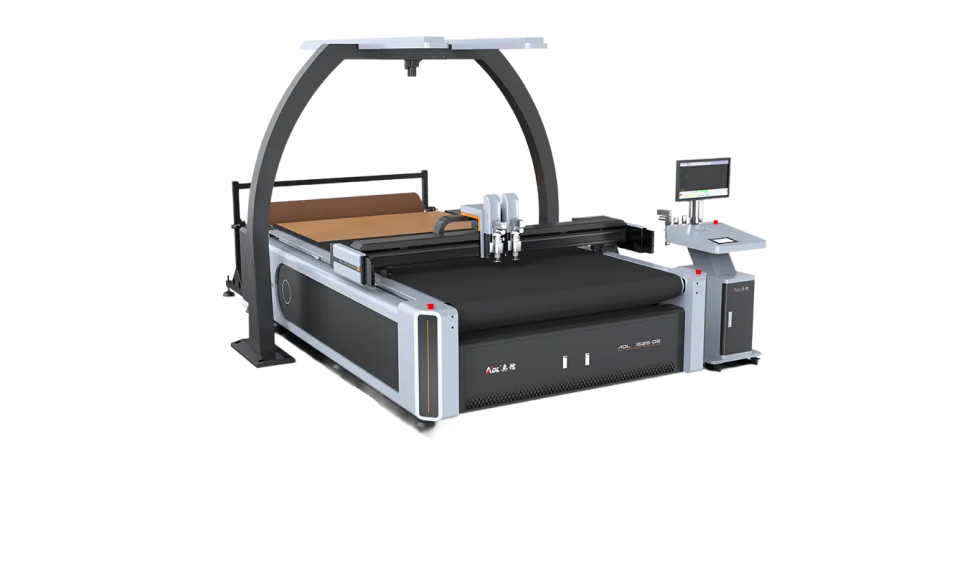
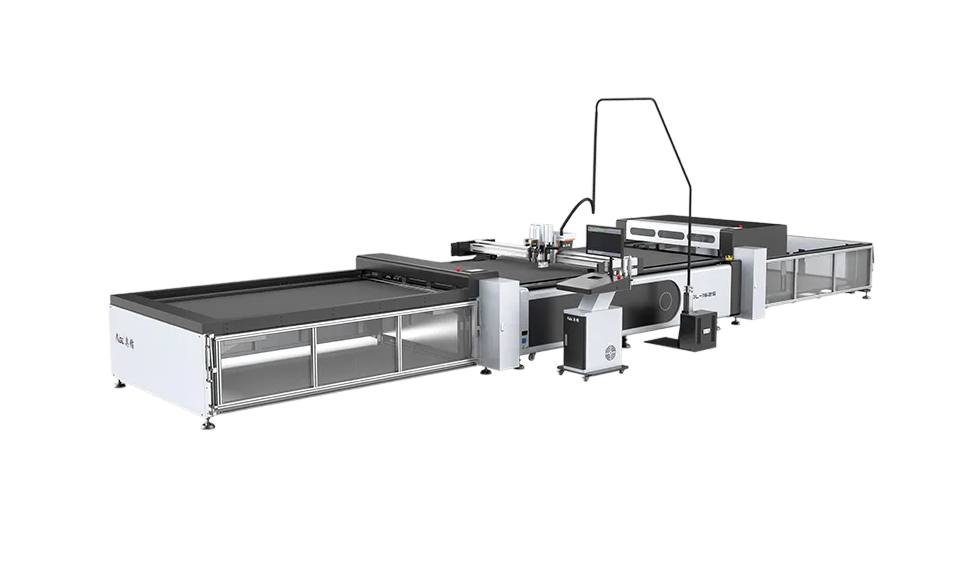
As the global denim market evolves toward sustainability, customization, and technological advancement, a high-performance denim fabric cutting machine is transforming from a mere processing tool into a strategic asset for businesses expanding their operational horizons. Its application prospects now extend far beyond traditional garment manufacturing.
In large-scale apparel manufacturing, this equipment serves as the backbone of core productivity. For export OEM factories and brand-owned facilities requiring daily output of thousands of pieces, it effortlessly handles 50 to 100-layer stack cutting. This ensures precise sizing for every component of bulk orders like five-pocket jeans and workwear jackets, meeting stringent international buyer inspection standards. Simultaneously, it perfectly aligns with the business models of small-to-medium enterprises and emerging brands. For studios focused on niche designs and limited releases, it minimizes waste when handling expensive imported fabrics during prototyping and small-batch production. This allows boutique denim brands to achieve craftsmanship on par with large factories from their inception.
Currently, sustainable fashion and the circular economy have opened a new growth avenue for this machine. In denim recycling plants, it swiftly cuts discarded garments or production scraps into standardized sizes for subsequent processes like opening, spinning, or pressing into sheets, enabling resource reuse. Creative workshops specializing in upcycling and patchwork designs leverage its precision cutting to extract high-quality panels from old jeans, crafting one-of-a-kind patchwork jackets or handbags.
Moreover, the trend toward product diversification has expanded denim's reach beyond apparel. From home textiles like sofa covers and throw pillows to denim handbags, hats, and shoe uppers, this machine delivers clean, precise cuts. Particularly in technical workwear and protective clothing, where fabrics incorporate Kevlar blends or undergo waterproofing and ceramic coatings, the resulting abrasion resistance and rigidity pose extreme challenges for cutting equipment. This machine's powerful drive and specialized wear-resistant blades make it the ideal solution for conquering such demanding materials.
Finally, an emerging “tailoring separation” service model is gaining traction. Many fabric suppliers or individual entrepreneurs are purchasing this machine to transition into professional cutting service providers. Independent designers need only supply the fabric to receive precisely cut pieces, allowing them to focus solely on sewing and marketing. This model effectively lowers the barrier to entry for apparel startups while further expanding the market applications for denim fabric cutting machines.

 EN
EN