
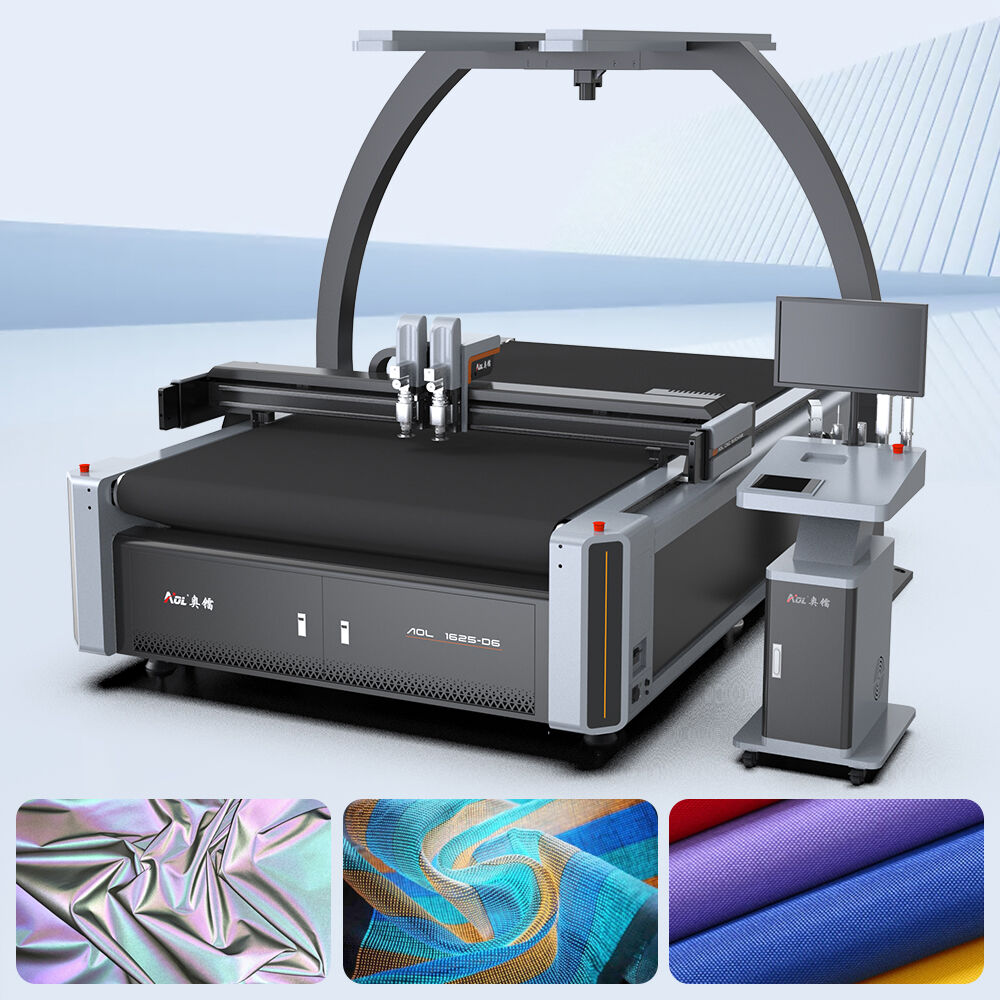
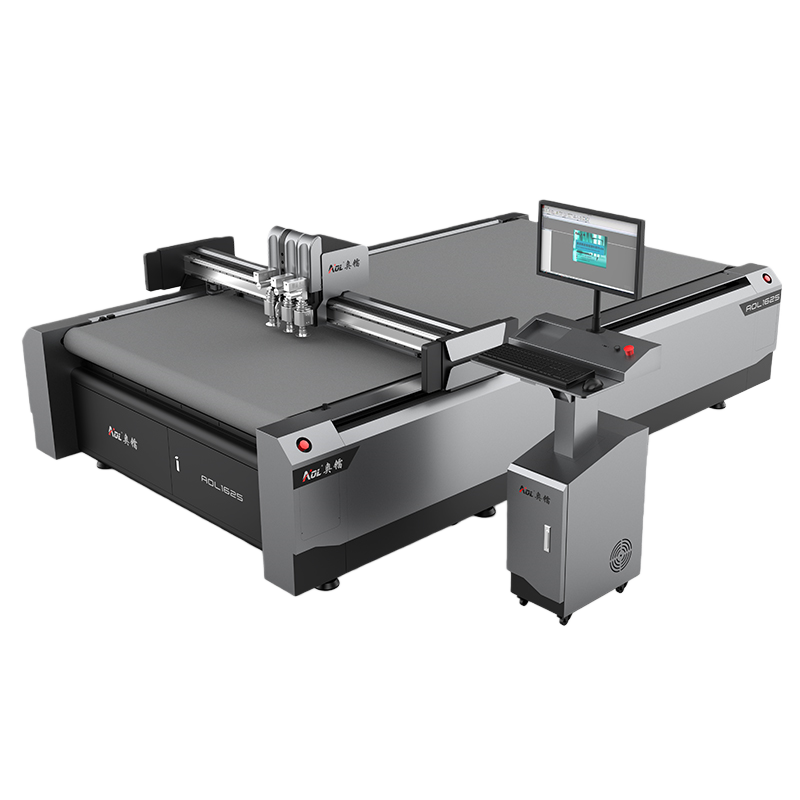
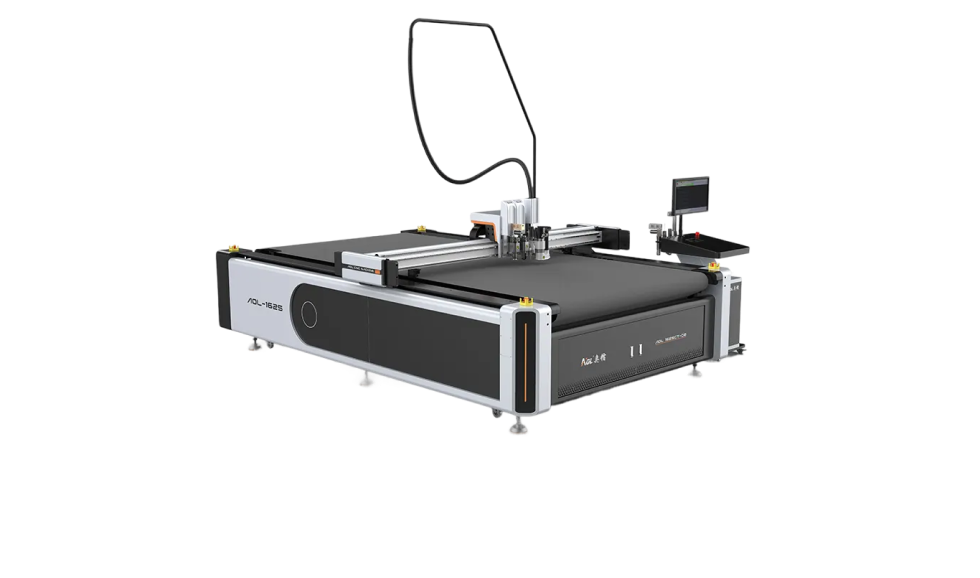
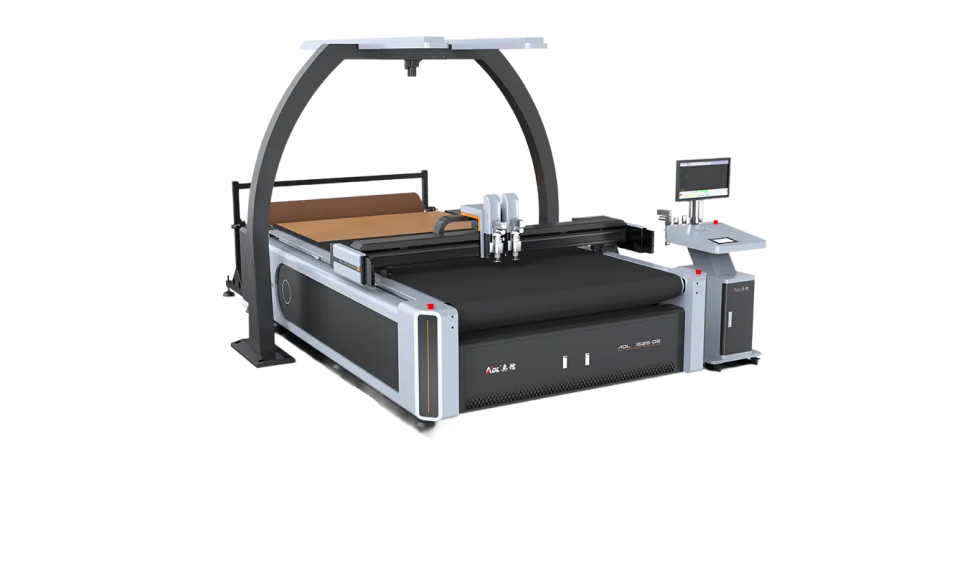
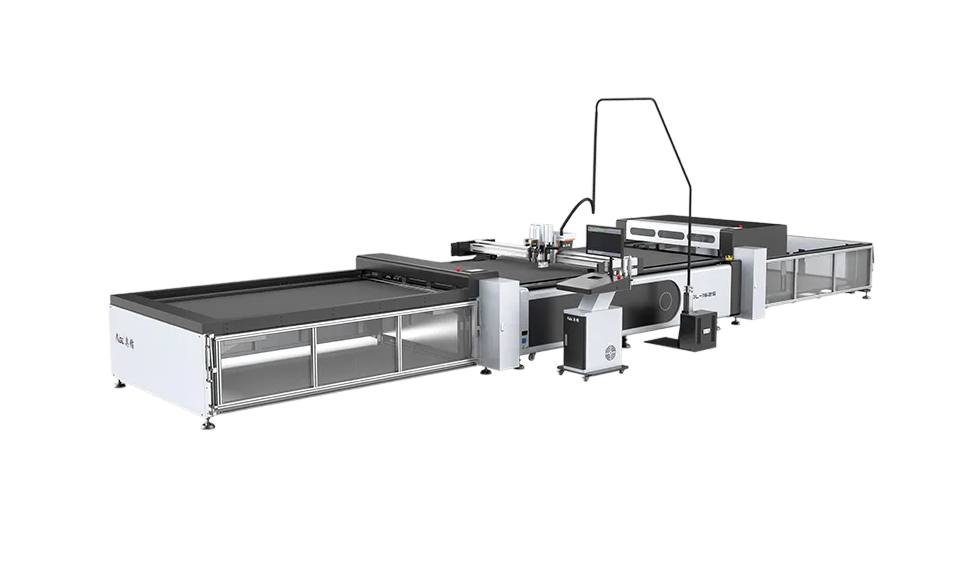
In the fierce competition of modern manufacturing, upgrading from manual cutting or traditional die-cutting to large-format CNC fabric cutting machines represents more than just equipment replacement—it signifies a strategic enhancement of operational capabilities. The core value of this equipment lies in resolving the industry's persistent challenge of balancing “scale” and “precision.” Its “large-format” capability enables the machine to process entire rolls of industrial fabric directly, completing continuous cutting tasks spanning tens of meters without pre-cutting materials. This drastically reduces manual handling and repetitive fabric repositioning, fundamentally eliminating material distortion and efficiency bottlenecks caused by human operation.
Beyond processing scale breakthroughs, this equipment introduces CNC technology into flexible material processing, achieving a leap in processing complexity. For industries with stringent tolerance requirements—such as automotive interiors and aerospace composites—high-precision textile cutting systems execute complex CAD patterns with micron-level accuracy. This ensures consistency in every cut piece, guaranteeing smooth subsequent sewing or assembly processes. More significantly, modern automated cutting tables incorporate intelligent nesting algorithms that automatically arrange patterns on digital fabrics with minimal gaps. This “nesting” technology typically saves enterprises 5% to 15% in raw material costs. Amid frequent fluctuations in raw material prices, this software-driven savings capability directly impacts corporate net profits.