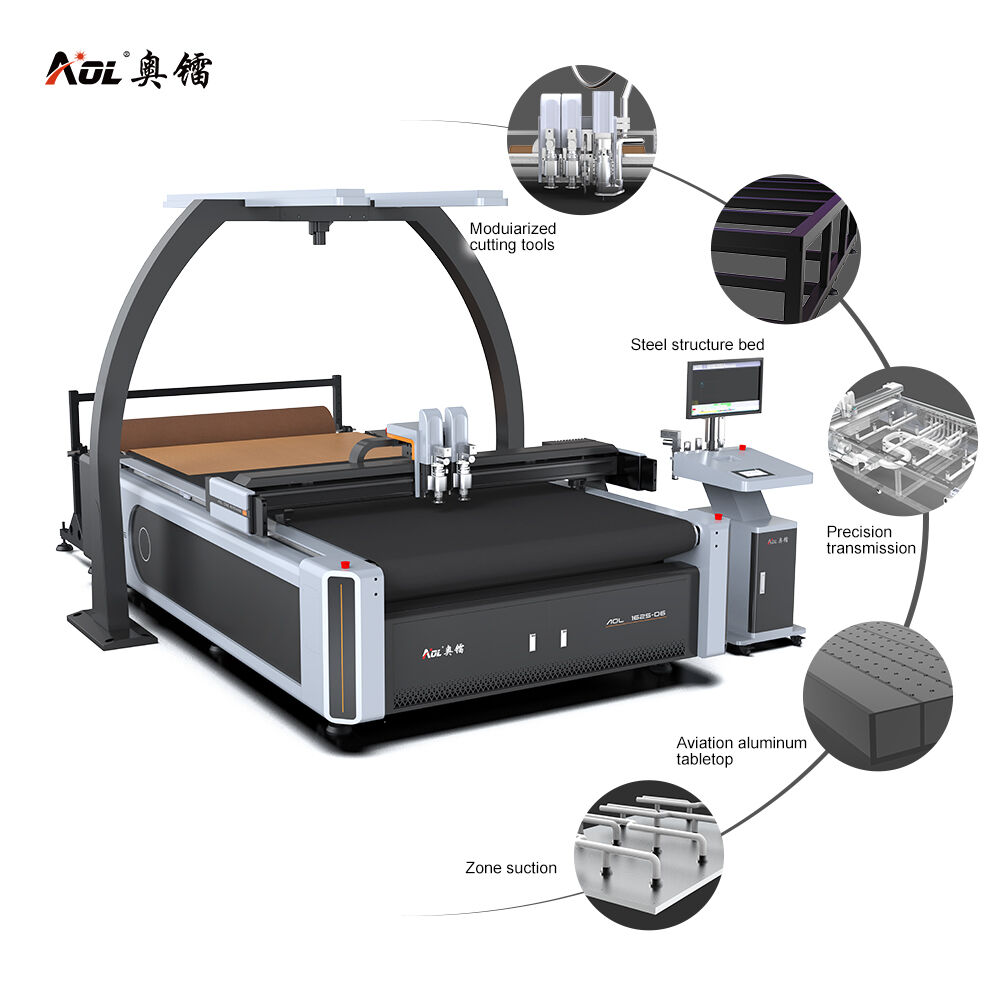
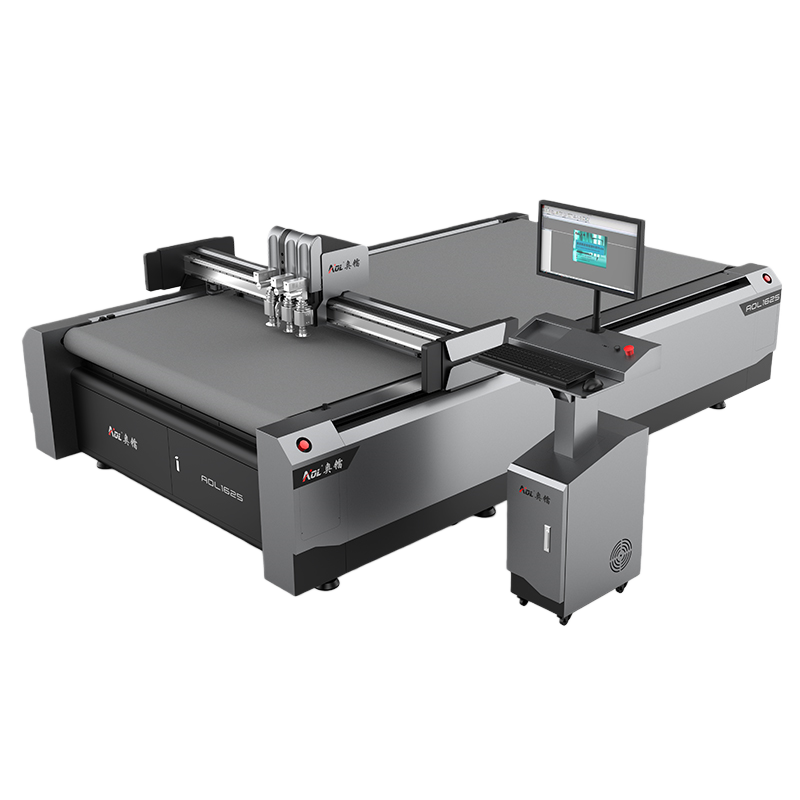
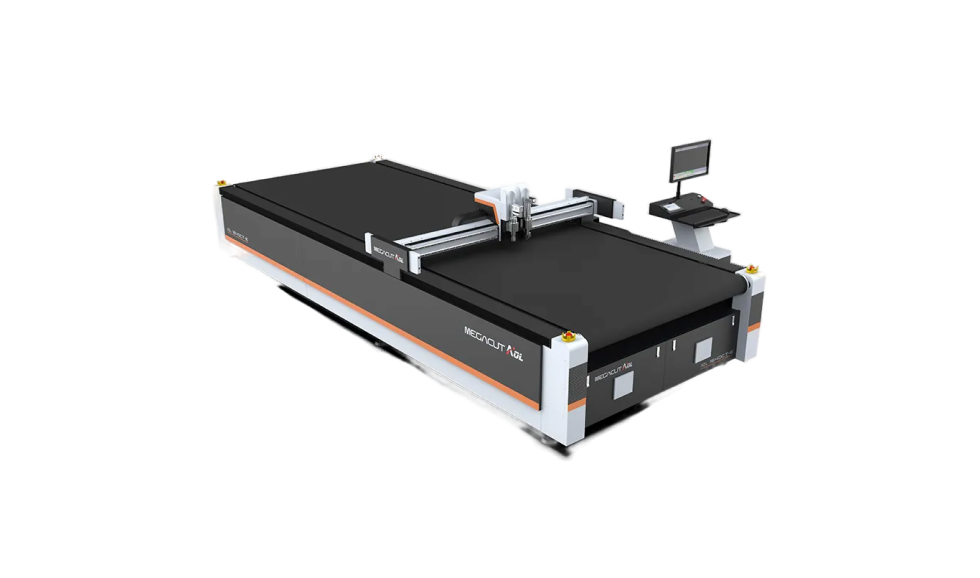
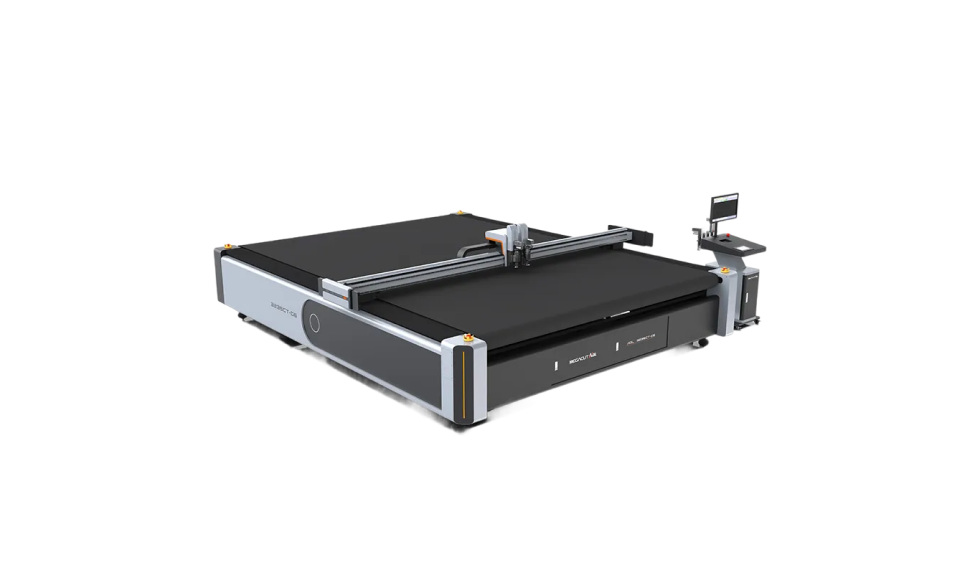
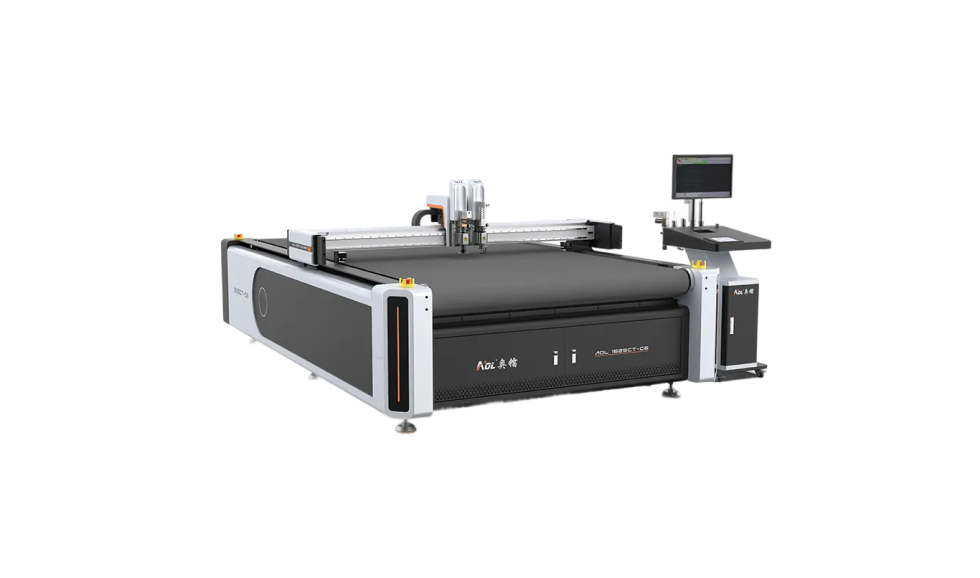
In today's fiercely competitive textile and apparel manufacturing industry, multi-layer cutting tables have long transcended their role as mere equipment. They represent a strategic investment and serve as a pivotal hub determining a company's production efficiency, cost control, and market competitiveness. Their significance is first evident in the exponential leap in operational efficiency. Traditional manual cutting relies on experienced craftsmen, resulting in slow speeds and inconsistent outcomes during mass production. By stacking dozens or even hundreds of fabric layers for precise single-pass cutting, combined with intelligent layout software, multi-layer cutting tables maximize fabric utilization. This enables companies to fulfill orders faster while significantly reducing raw material costs—a critical factor for businesses where fabric expenses exceed 50% of total expenditures, directly impacting profit margins.
From a technical perspective, the value of multi-layer cutting machines lies in overcoming the most challenging physical obstacles in mass production. Issues like layer displacement, uneven compression, and heat-sealed edges during multi-layer cutting were once major bottlenecks hindering industry development. Modern high-end multi-layer cutting tables feature powerful vacuum systems that compress loose fabric stacks into dense “blocks,” ensuring every layer is cut with the same precision as the top layer. Simultaneously, advanced oscillating blade technology and intelligent variable-speed control enable seamless processing of materials ranging from lightweight silk to heavy industrial canvas and even coated technical fabrics, guaranteeing clean cuts free of scorching or adhesion. This broad adaptability to complex materials empowers manufacturers to expand into more diverse markets—such as automotive interiors, outdoor gear, or medical textiles—rather than being confined to a single product category.
Economically, multi-layer cutting tables are pivotal for driving vertical integration and smart manufacturing. Historically, many brands and garment factories outsourced cutting operations to manage complex processes, incurring high communication costs, extended lead times, and quality risks. By implementing in-house cutting systems, companies can firmly control this critical supply chain link, achieving seamless integration from fabric to finished garments. This not only provides the technical foundation for flexible, quick-response production models featuring “small batches and diverse varieties” but also significantly reduces semi-finished inventory. Furthermore, in the face of the global challenge of skilled labor shortages, automated cutting machines substantially lessen reliance on manual expertise. An ordinary operator can master tasks that previously required years of experience after brief training. In an era of rising labor costs, this offers enterprises a sustainable production solution, ensuring capacity remains unaffected by fluctuations in the labor market. Thus, the multi-layer cutting machine is more than just a piece of equipment; it represents modern manufacturing's integrated pursuit of precision, efficiency, and sustainability.

 EN
EN