
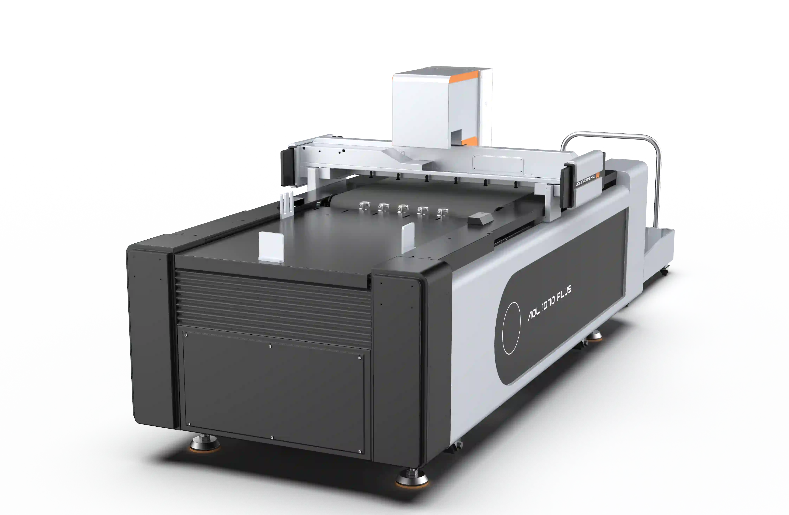
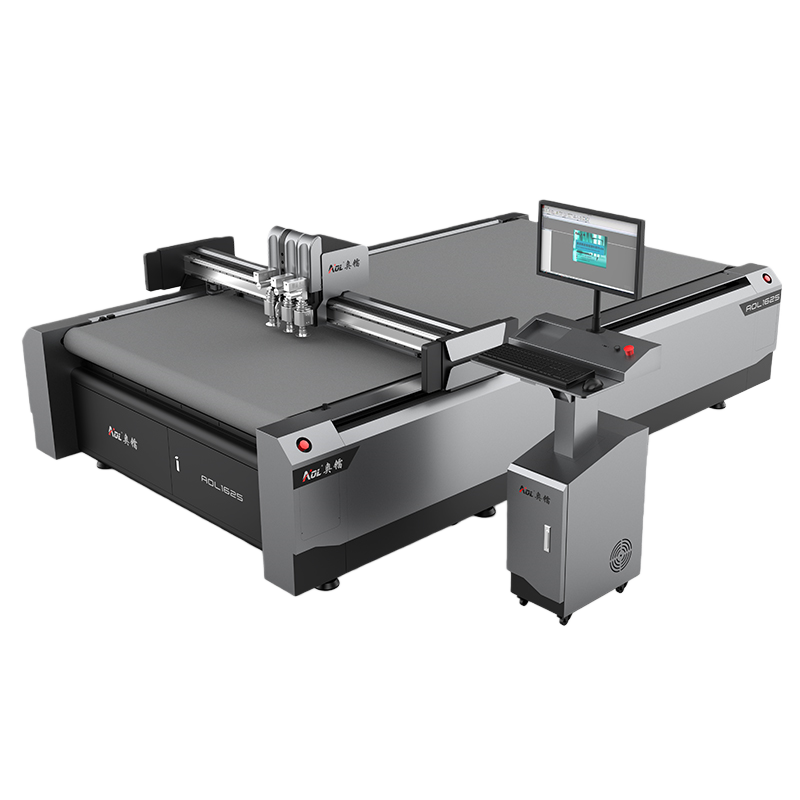
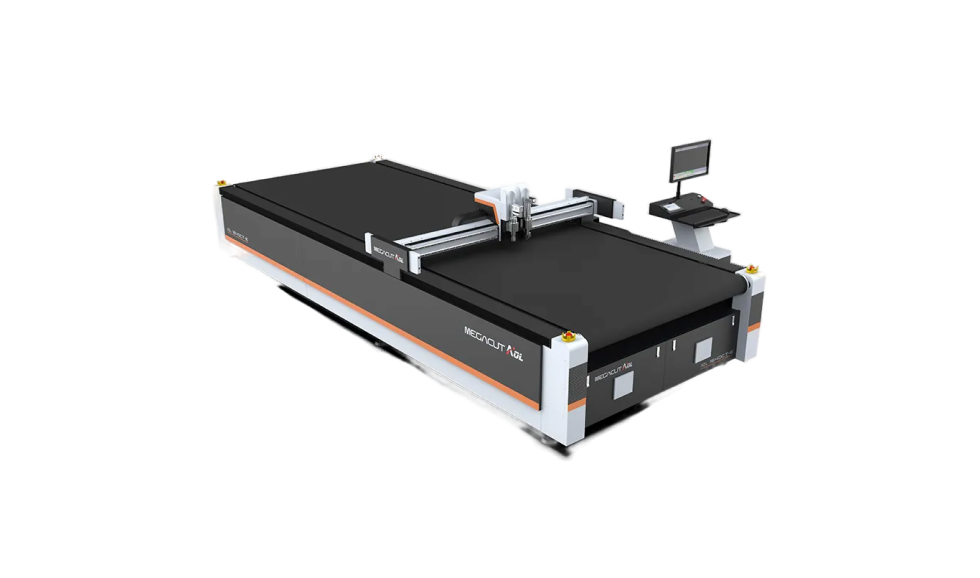
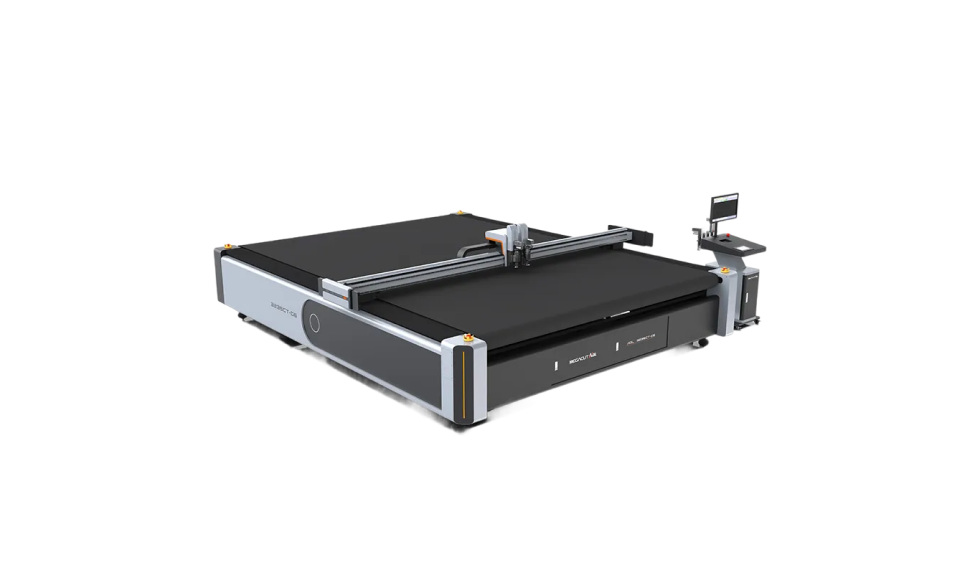
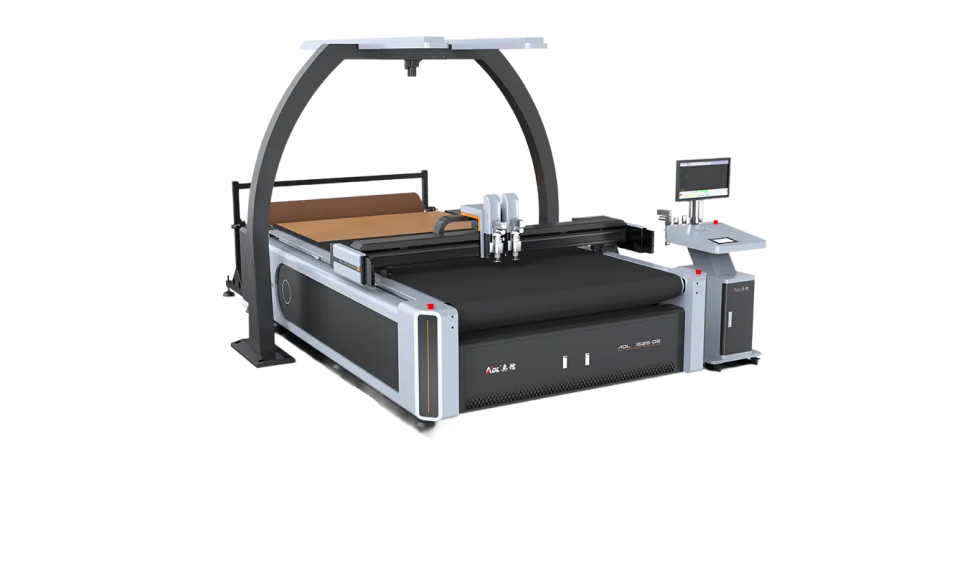
In modern manufacturing, precision and versatility are no longer mere objectives but essential requirements for corporate survival. The fundamental reason oscillating blade CNC cutters have become indispensable foundational equipment across industries—from automotive interiors to fashion and technology—lies in their unique “cold cutting” advantage. Unlike laser or plasma cutting, which melts materials using heat, this equipment combines high-frequency vertical blade vibration with precise CNC path control to achieve a purely mechanical cold cutting process. This is crucial for foams, composites, and technical textiles, where heat can cause melted edges, deformation, or even toxic fumes. Oscillating blades perfectly preserve material edges' cleanliness and original properties. For soft materials like memory foam, their rapid vertical oscillation prevents material compression and deformation during cutting, ensuring dimensional accuracy and performance in the final product.
Beyond preserving material integrity, the device's core value lies in its cross-industry versatility. It serves as a universal solution for flexible and semi-rigid materials, effortlessly handling everything from industrial composites like carbon fiber and Kevlar to textiles, leather, rubber, and thick carpets. It also prevents edge abrasion when cutting multi-layered fabrics. This versatility directly drives a transformation in manufacturing paradigms: it eliminates the cumbersome process of producing expensive steel dies for each new design in traditional die-cutting. Today, operators simply upload a new CAD file, and the CNC system drives the oscillating blade to cut any complex geometric shape—whether sharp internal angles or intricate curved patterns. This not only liberates workers from the tedious and inefficient use of manual scissors but also achieves unparalleled repeatability.