
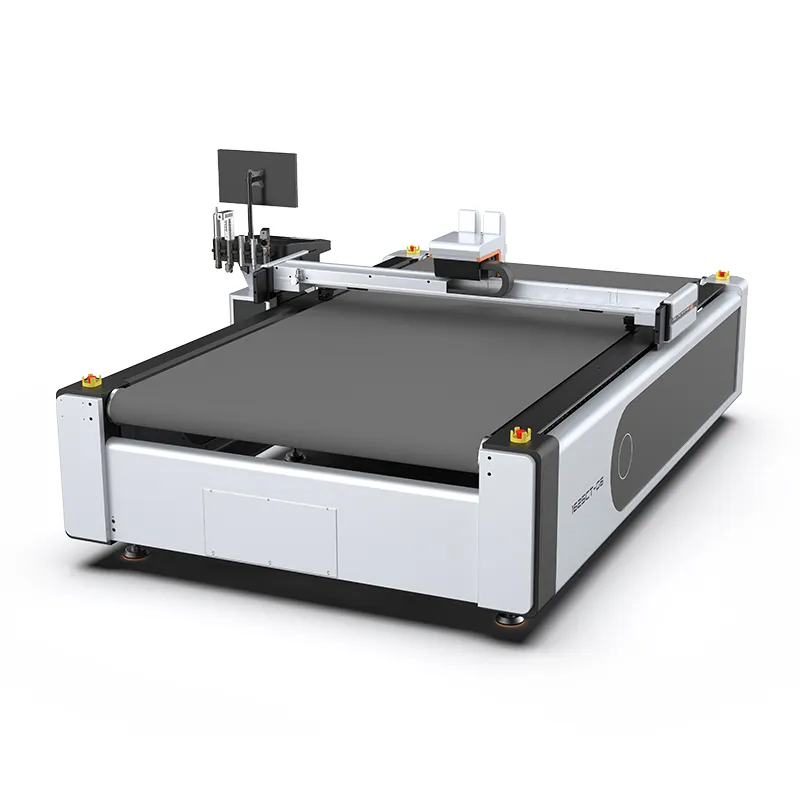
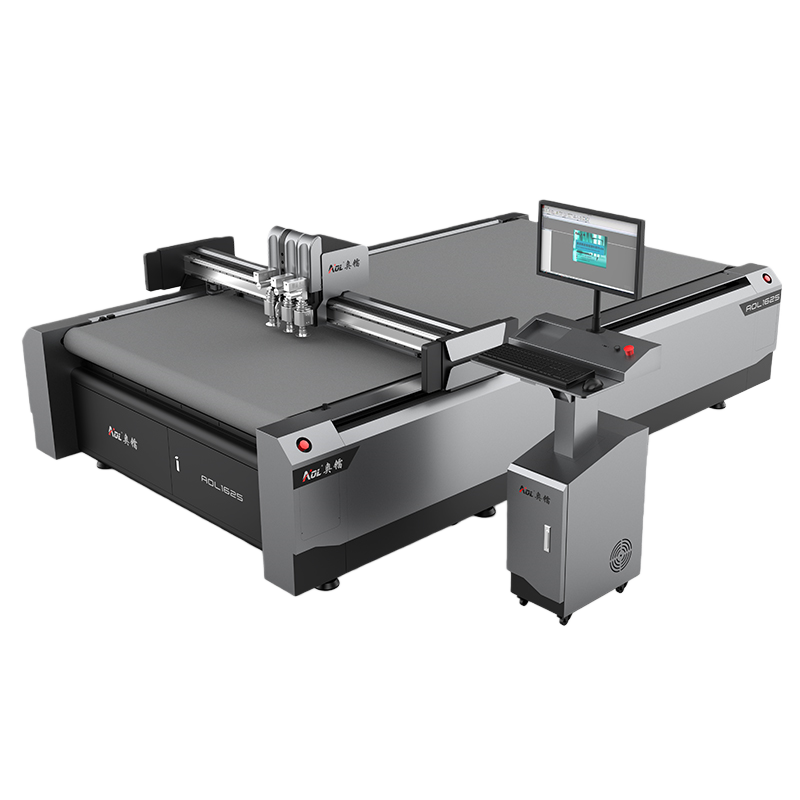
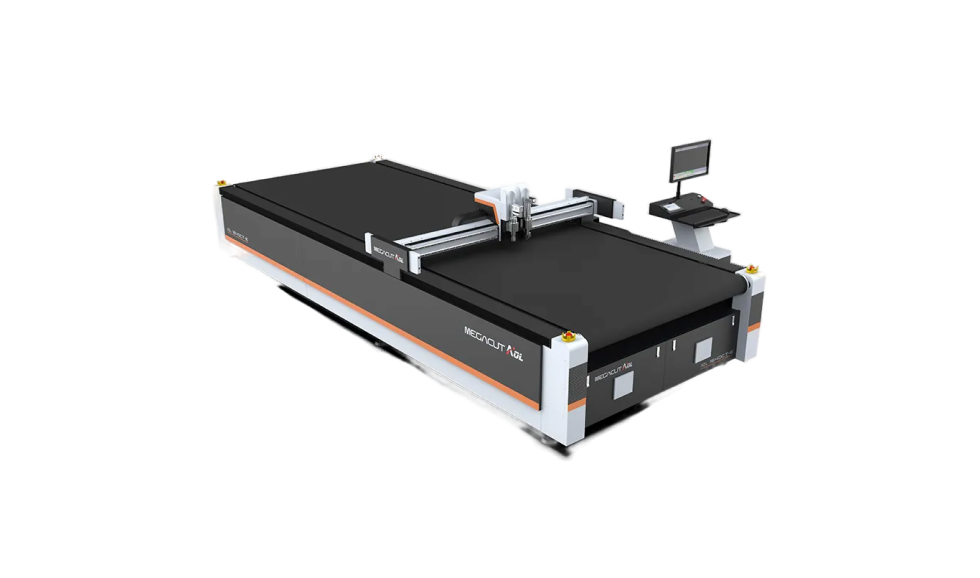
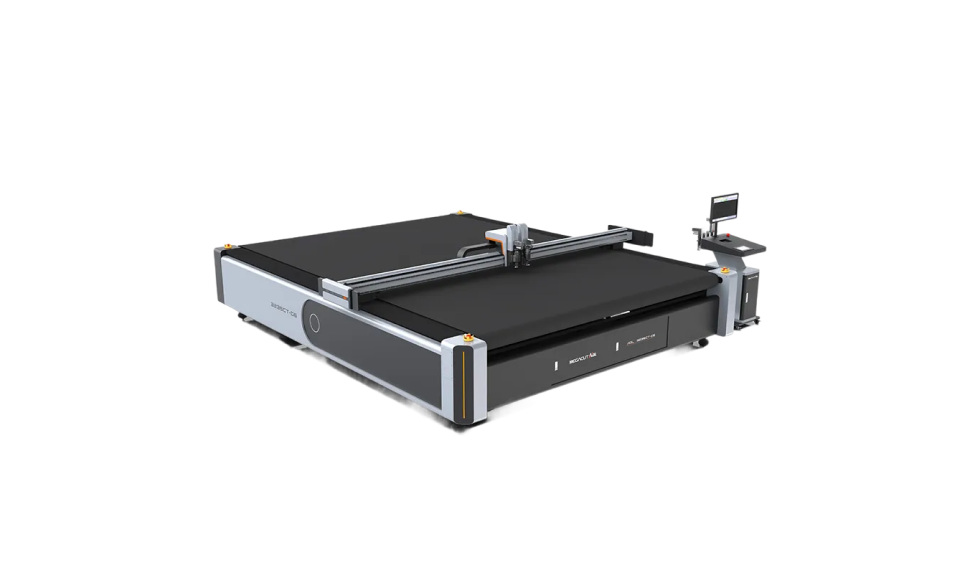
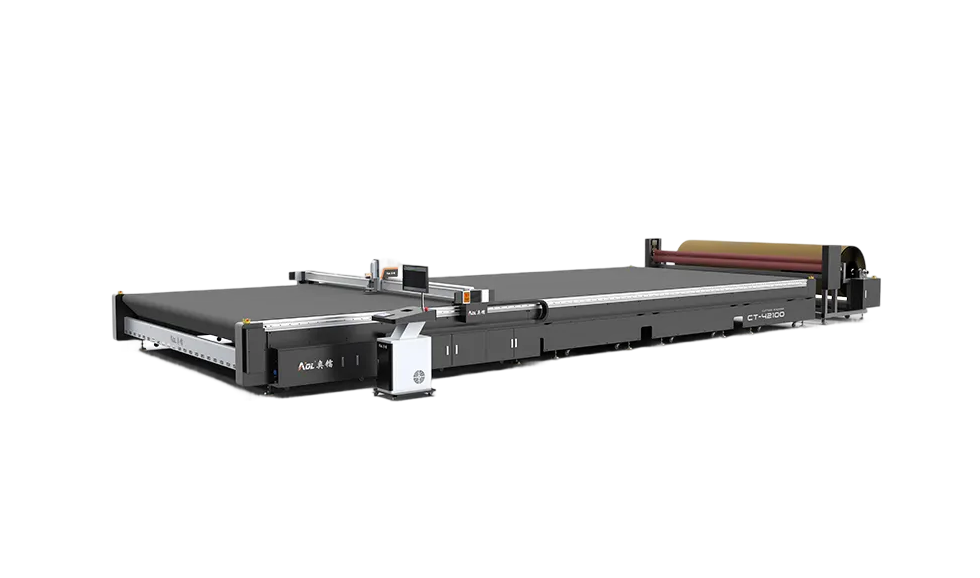
Oscillating blade cutters hold a pivotal position in modern manufacturing, addressing numerous challenges faced by traditional cutting methods—such as laser and die-cutting—when processing composite materials and technical textiles. Unlike laser cutting, oscillating blades achieve cold cutting through high-frequency vertical reciprocating motion. This eliminates thermal melting that causes fraying, hardening, or harmful fumes—making it ideal for heat-sensitive materials like carbon fiber, aramid, and multilayer fabrics. The result is smooth, undamaged edges. Economically, it eliminates dependence on costly physical molds. Manufacturers can swiftly switch production runs by modifying software designs, enabling on-demand manufacturing and mass customization while drastically reducing inventory costs and tooling expenses. Simultaneously, this equipment underpins the lightweighting revolution in aerospace, wind power, and other sectors by precisely cutting high-strength composites and optimizing material layouts, achieving up to 90% utilization of expensive materials. Furthermore, automated cutting significantly improves workshop environments by reducing musculoskeletal injuries from repetitive labor and enabling clean production through integrated dust collection systems. From a sustainability perspective, oscillating blade cutters minimize scrap waste via intelligent nesting algorithms, helping manufacturing reduce its carbon footprint. In essence, oscillating blade cutters transcend being mere production tools—they represent core technologies driving the intelligent, flexible, and green transformation of manufacturing.