
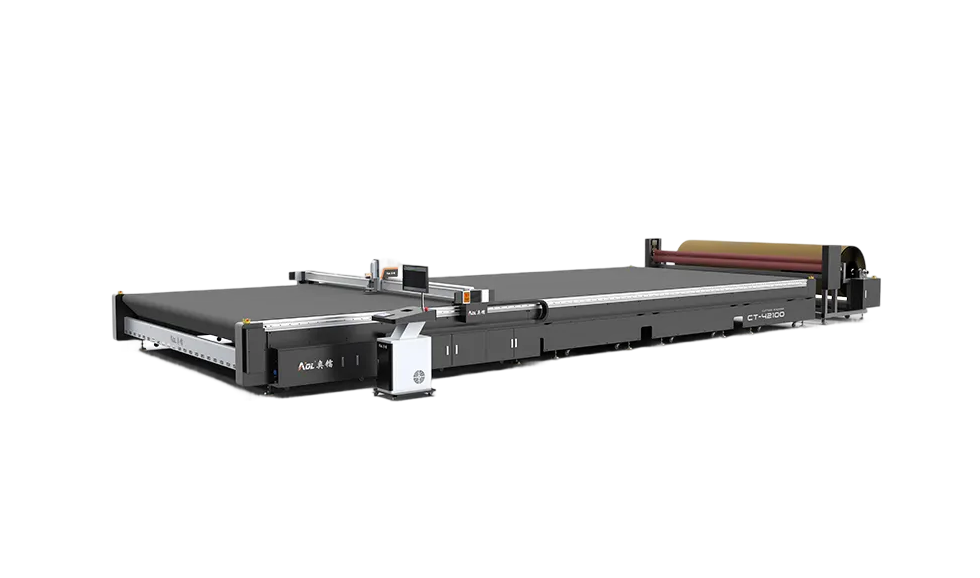
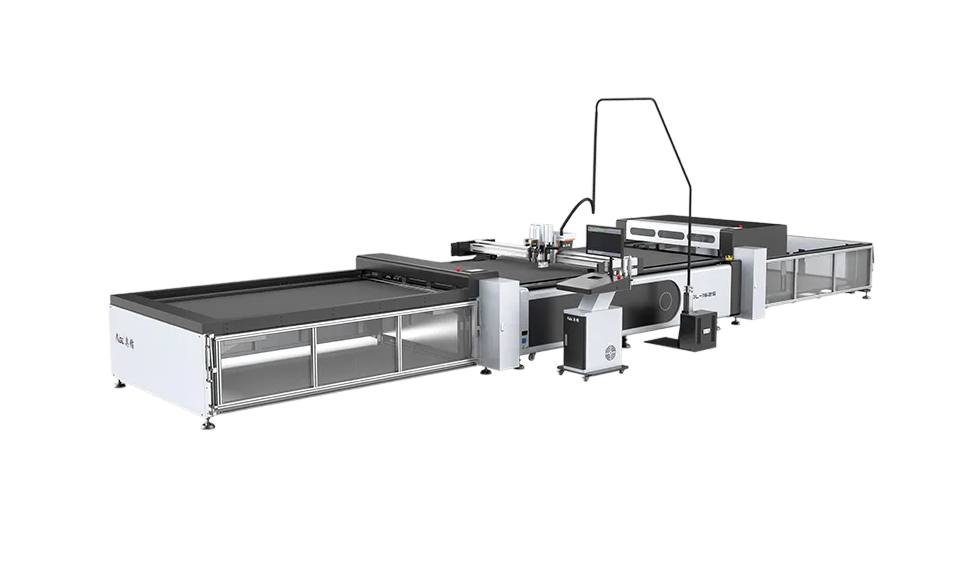

As modern manufacturing transitions from traditional die-cutting processes to flexible automated processing, vibrating blade cutting technology is demonstrating broad application prospects across multiple industries due to its extensive material adaptability and high precision advantages. It resolves the thermal damage issues associated with laser cutting while addressing the limitations of traditional mechanical blades in handling complex patterns, becoming a core piece of equipment for many enterprises seeking to enhance production flexibility.
In automotive manufacturing and interior design, vibrating blade cutters play an irreplaceable role. Modern car interiors extensively utilize multi-layer composite materials such as carpets, soundproofing foam, headliner fabrics, and dashboard coverings. These materials are often soft and prone to fraying, making traditional cutting methods inefficient and imprecise. By oscillating at high frequencies, the vibrating blade maintains clean edges when cutting automotive floor mats and carpets while preventing deformation in sound-absorbing foam and felt. For small-batch production of modified interior components or concept car prototypes, this equipment enables direct cutting from digital patterns without tooling, significantly shortening R&D cycles.
In composite materials and aerospace applications, lightweight, high-strength materials like carbon fiber, glass fiber, and Kevlar are increasingly prevalent. However, these materials impose extremely demanding requirements on cutting processes—laser cutting produces toxic fumes and causes material delamination, while waterjet cutting is costly and inefficient. Vibrating blade cutting machines precisely address this technical gap. They can accurately cut prepreg carbon fiber fabrics for drone airframes or racing components, process fiberglass mats for shipbuilding, and handle Kevlar fabrics used in body armor and aircraft seats. This cold-cutting process not only ensures smooth cut edges but also prevents structural damage to the material.