
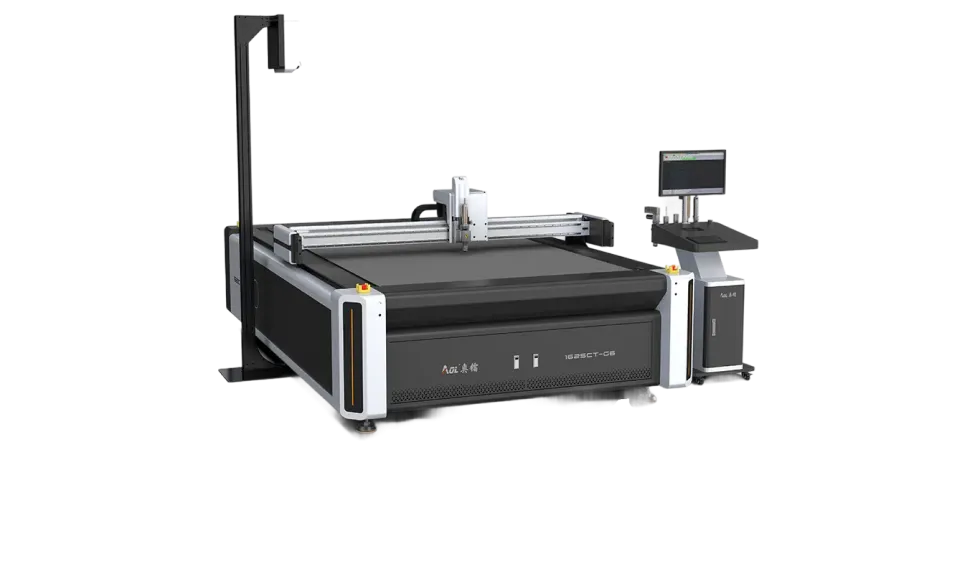
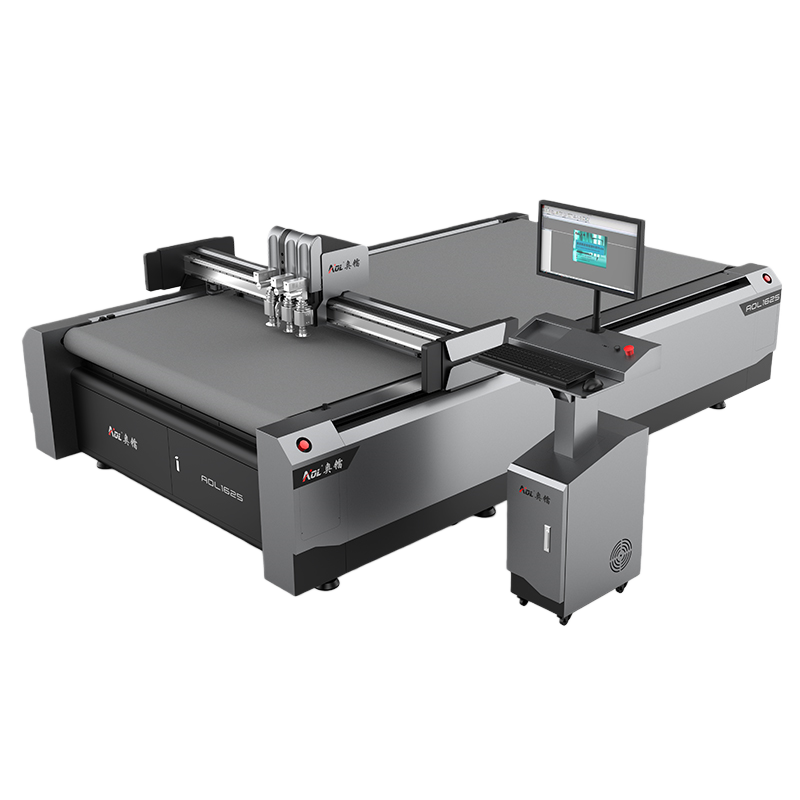
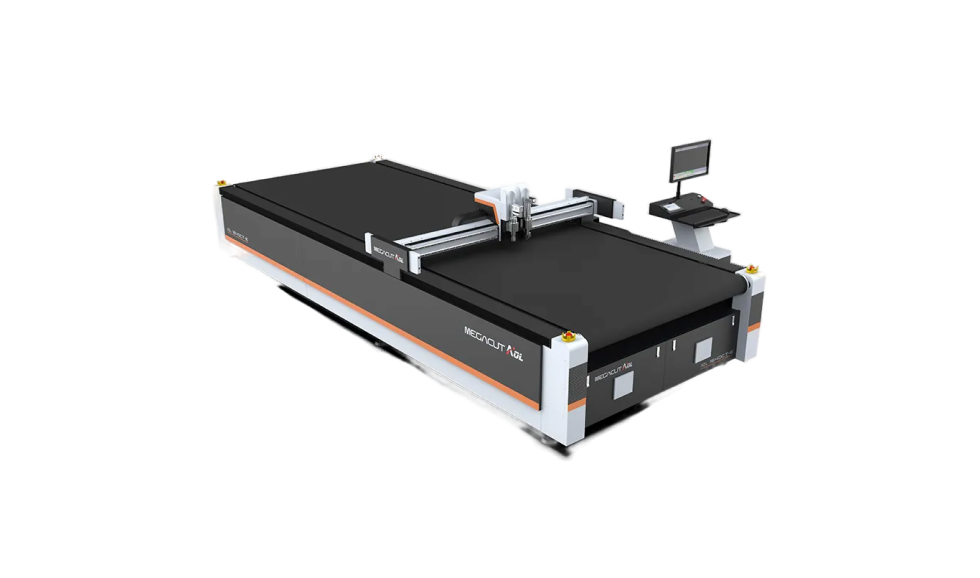
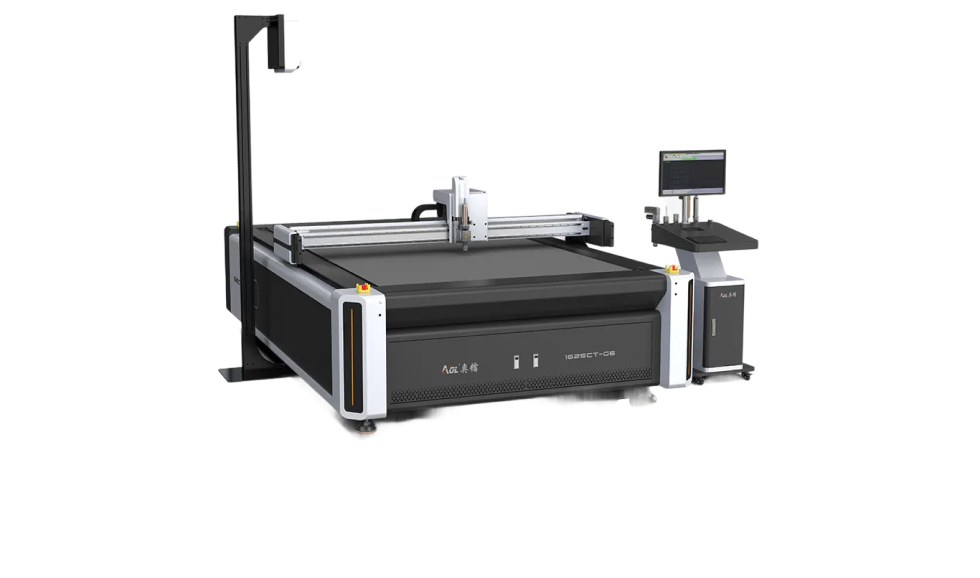
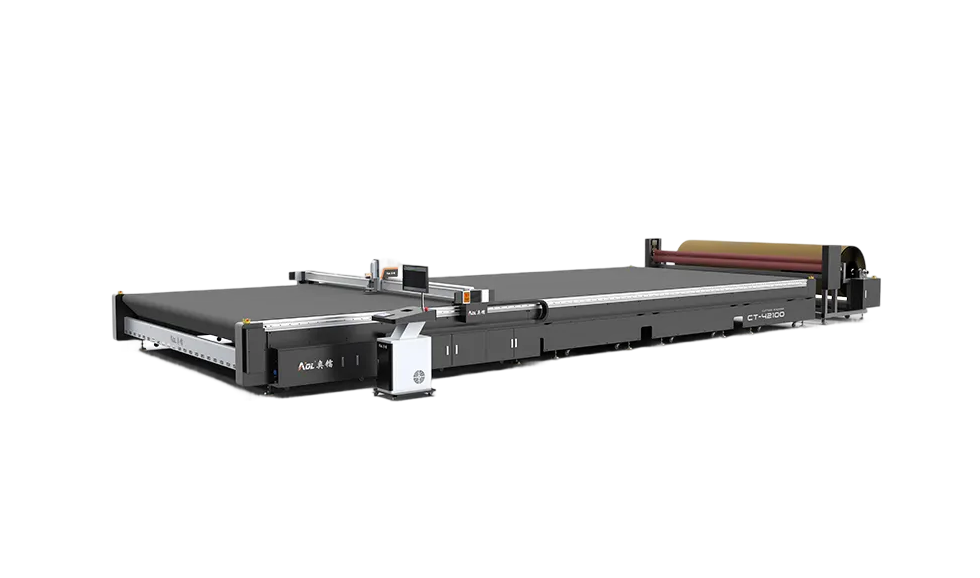
In the realm of digital manufacturing and industrial cutting, not all blades are created equal. Traditional straight blades cause material deformation when cutting soft materials, while laser cutting often scorches edges—a dilemma that has plagued manufacturers for years. The emergence of oscillating blade cutters represents a technological breakthrough that fundamentally redefines precision, efficiency, and material integrity. If your work involves composites, textiles, or flexible materials, understanding the significance of this tool is the first step toward reducing waste and maximizing output.
The most significant advantage of the vibrating blade cutter lies in its use of high-frequency oscillation rather than heat or shear pressure to separate materials. This “cold cutting” characteristic perfectly preserves material integrity: unlike laser cutters that produce smoke or scorch synthetic edges, the vibrating blade cleanly cuts nylon, polyester, and coated fabrics. Simultaneously, because the blade oscillates thousands of times per minute, minimal downward pressure is required. This enables zero compression when cutting soft materials like foam or sponge—a feat unattainable with traditional hydraulic cutters.