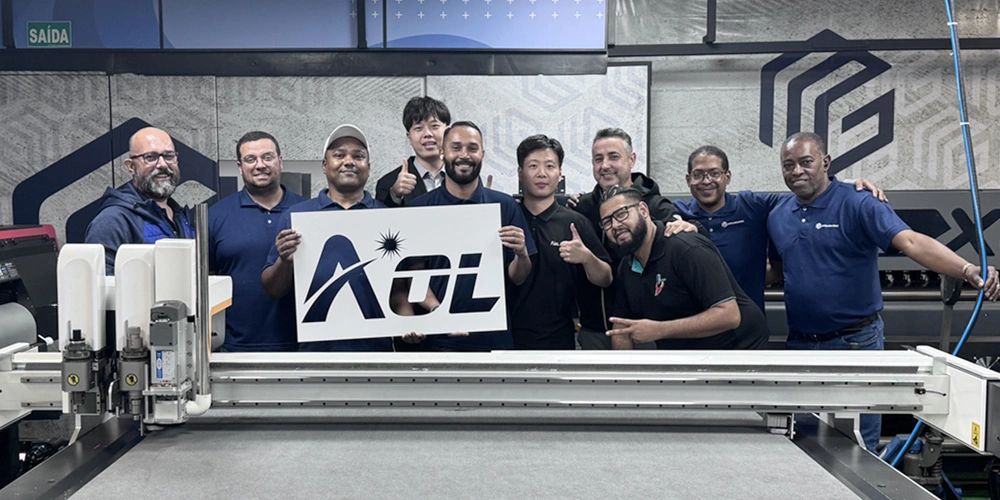

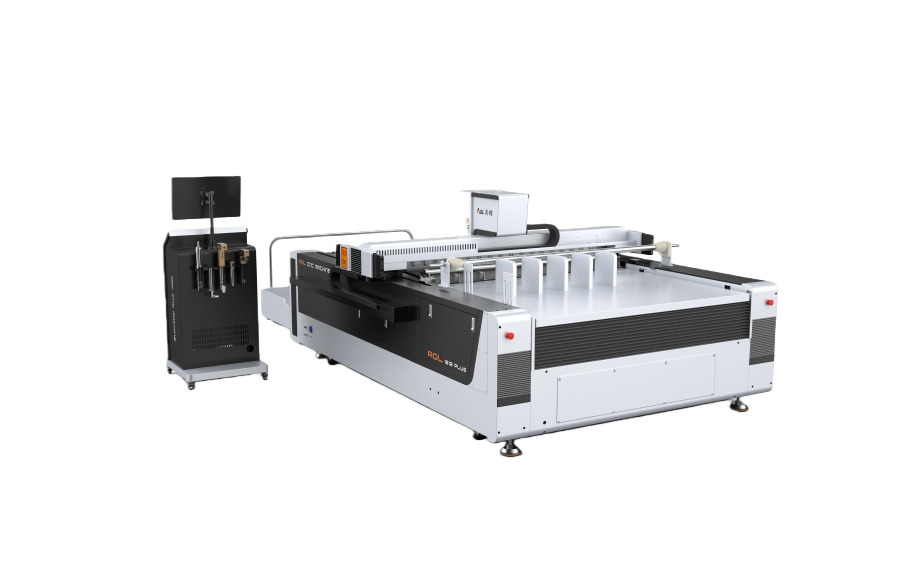
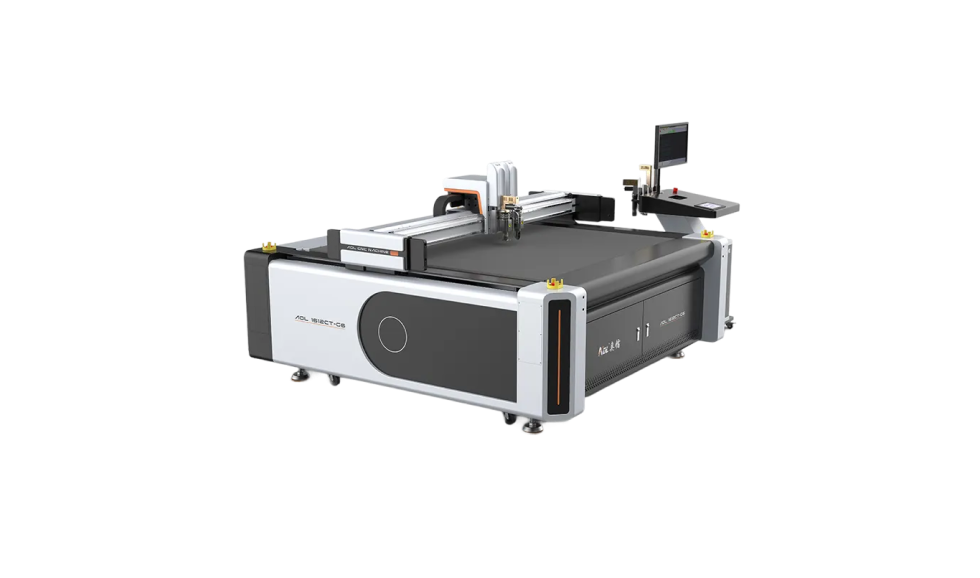
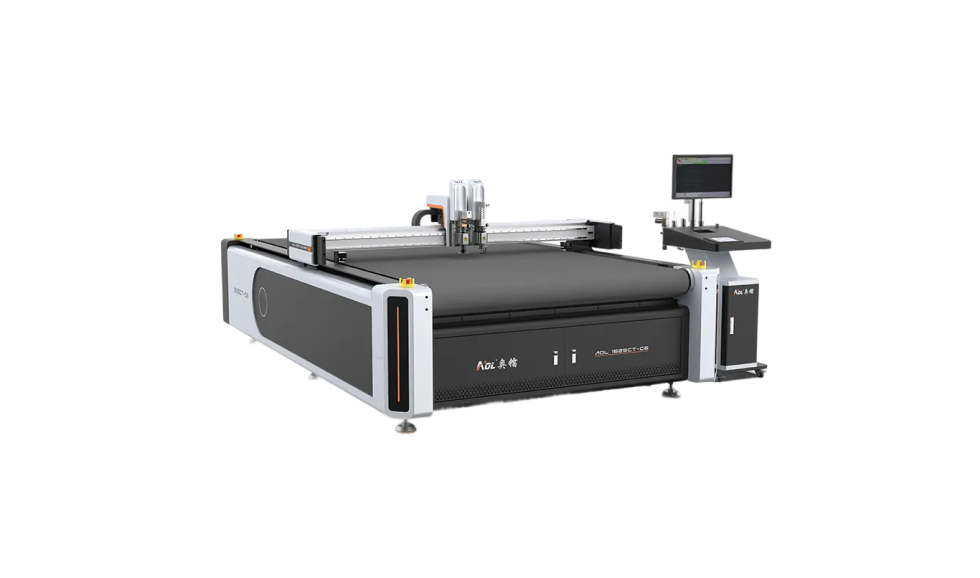
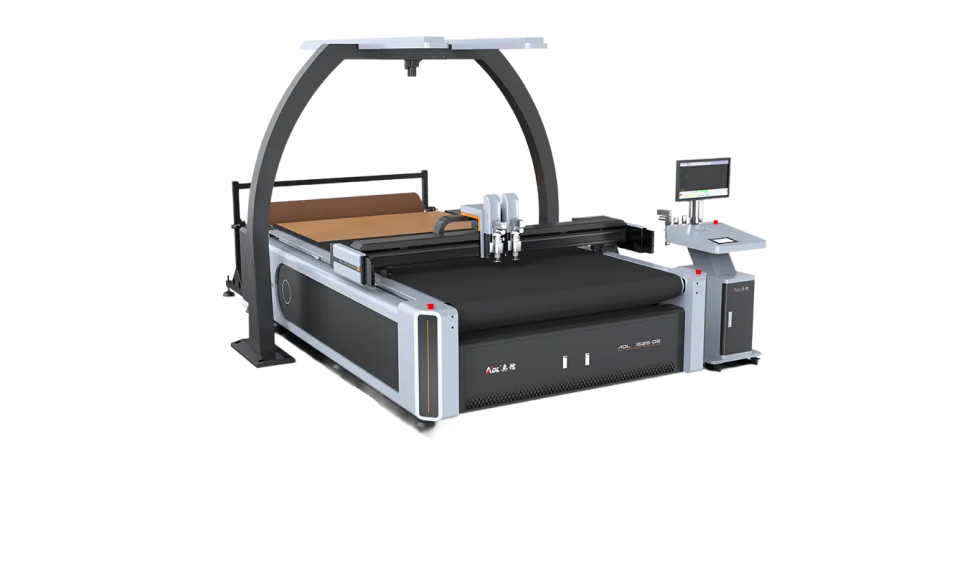
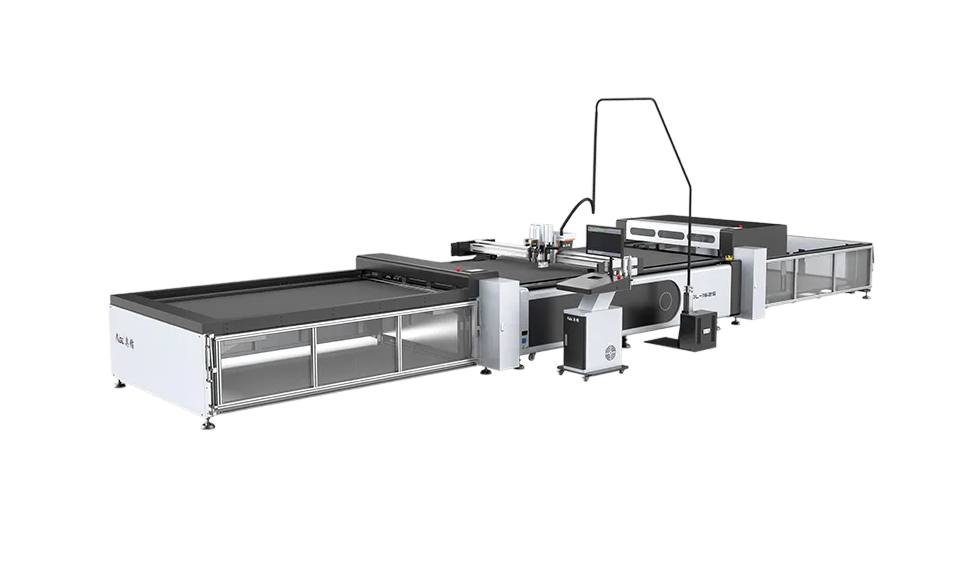
In advanced manufacturing, prepregs serve as the “gold standard” for composite materials. Their high cost and unique physical properties—such as high viscosity, fragility, and limited shelf life—make prepreg cutting machines indispensable strategic assets bridging raw materials to high-margin finished products. The core significance of this equipment lies in resolving challenges unattainable through manual cutting or traditional die-cutting: First, utilizing ultrasonic vibrating blades or cryogenic cutting technology, it achieves “zero-resistance” cutting. The low friction generated by high-frequency vibrations prevents viscous resin from adhering to the blade, thereby avoiding carbon fiber bundle tearing or material deformation, ensuring structural integrity from the outset. Second, when handling aerospace-grade carbon fiber costing hundreds of dollars per square meter, the equipment's CAD/CAM nesting software optimizes layouts with mathematical precision. This significantly boosts material utilization from 50-60% in manual operations to around 90%. This efficiency means the equipment's value is quickly recouped through raw material savings. Furthermore, in high-volume sectors like electric vehicles or wind turbine blades, the room-temperature storage window for prepregs is a critical constraint. The automated cutting machine operates 24/7, completing complex layup cuts in seconds. This eliminates the speed bottleneck of manual operations, enabling scalable production. Finally, for aerospace and defense applications, this machine ensures compliance. Its built-in barcode scanning and Industry 4.0 data interfaces trace every order back to its source roll and operator, guaranteeing adherence to stringent AS9100 quality certification standards. In summary, the prepreg cutting machine is not merely an efficiency tool—it serves as a core hub for cost control, quality assurance, and digital traceability in modern high-end manufacturing.