
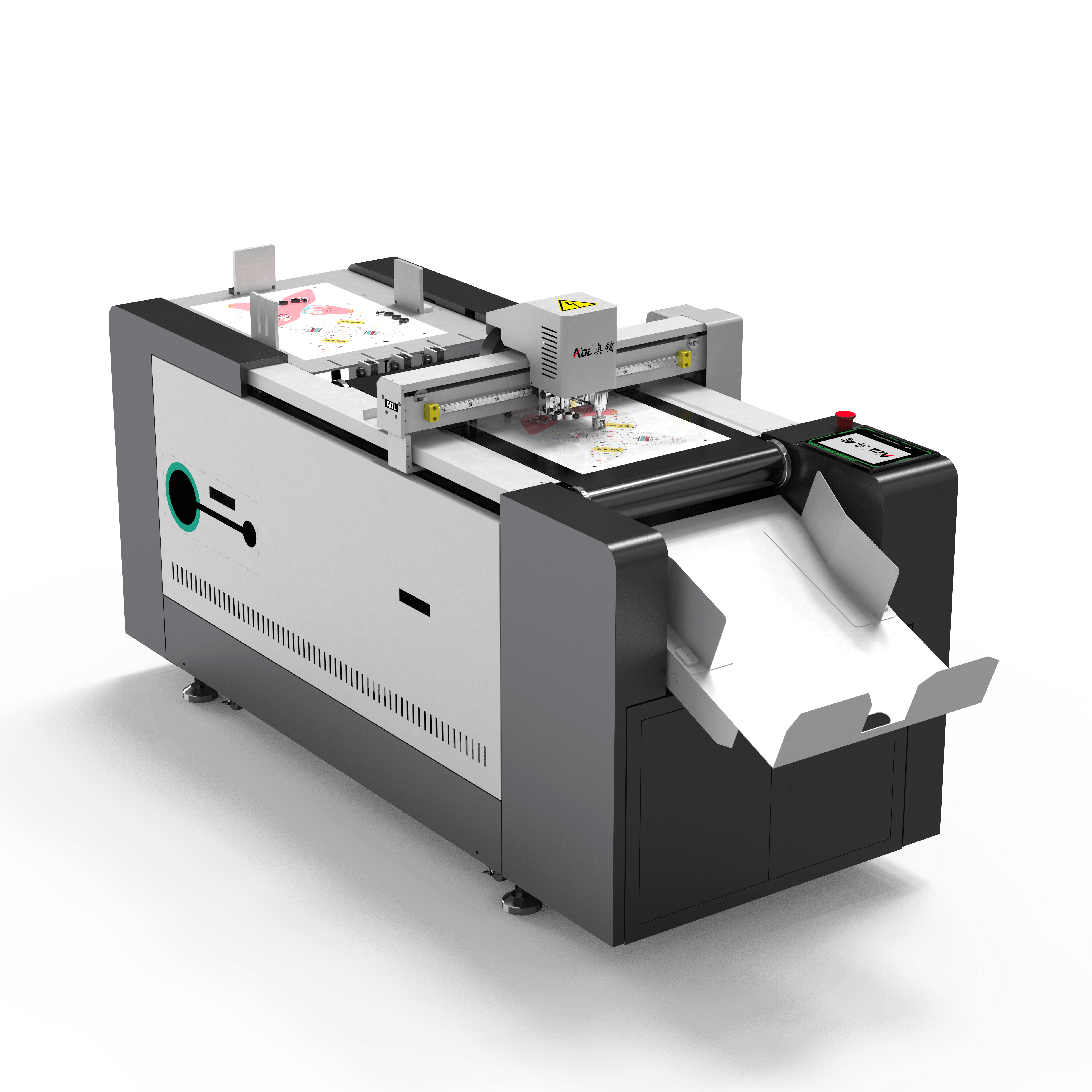
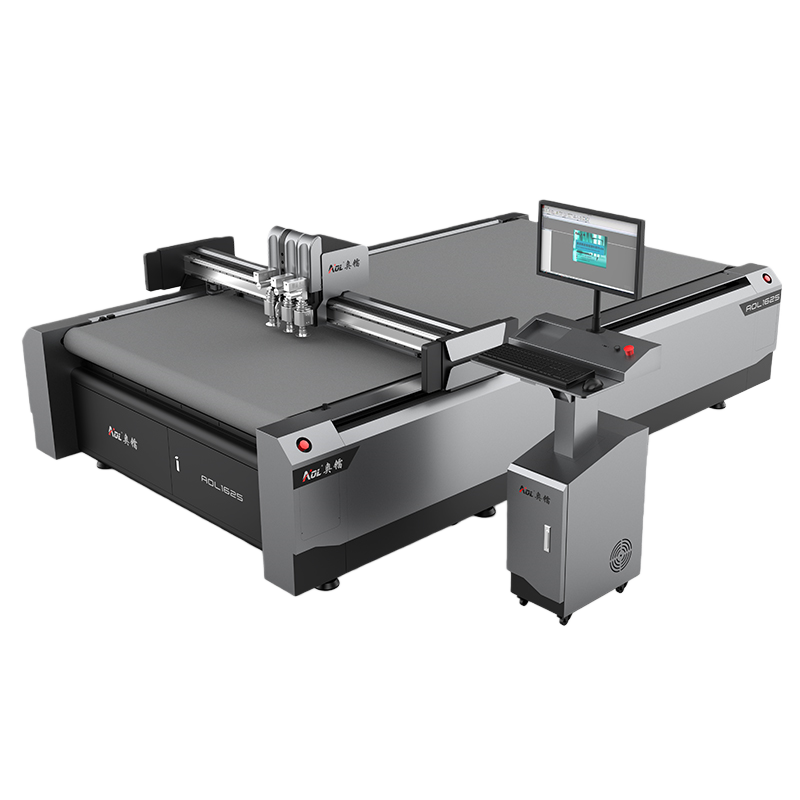
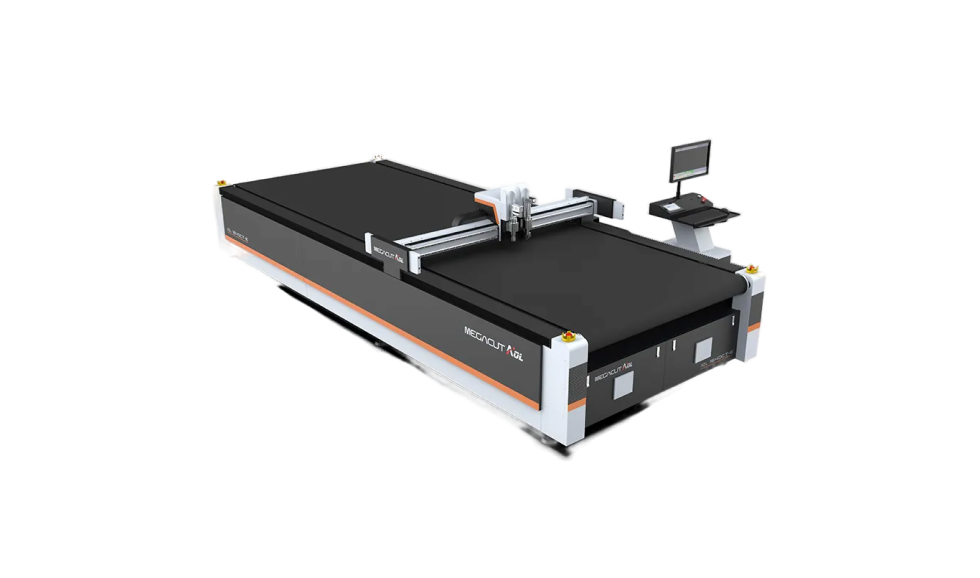
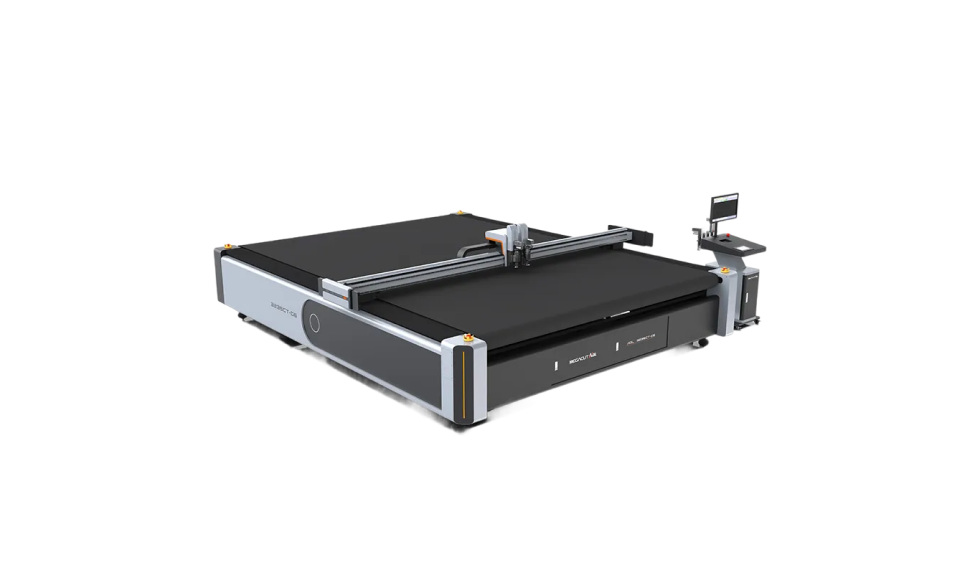
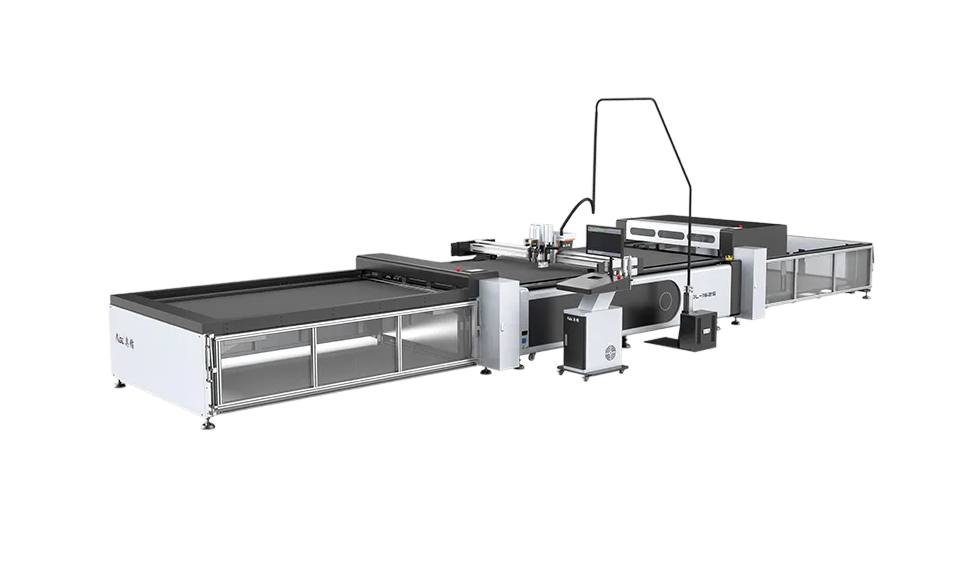

The industry's shift from mass production to mass customization has rendered traditional packaging methods increasingly inadequate. Today's protective packaging CNC cutters are no longer merely processing equipment but strategic assets spanning the entire supply chain. As industries demand ever-higher levels of product protection, these automated devices—capable of on-demand customization and precision cutting—are poised for broad application prospects.
In electronics manufacturing and semiconductors, packaging demands for precision components are exceptionally stringent. Sensitive elements like wafer trays, server components, and circuit boards require not only perfectly fitted protective spaces but also compliance with electrostatic discharge (ESD) standards. Traditional generic packaging often fails to secure products completely, leaving them vulnerable to damage from transport vibrations or static buildup. CNC cutting machines can precisely process black conductive foam or pink anti-static foam to create custom-fitted inner trays for each high-value electronic device. Simultaneously, for the low-dust clean environments required by aerospace and medical equipment, such equipment can also meet stringent cleanliness standards, enabling safe and reliable packaging solutions.
For e-commerce fulfillment centers and third-party logistics providers, efficient warehouse space utilization and precise logistics cost control are core competitive advantages. Faced with thousands of products of varying shapes, pre-fabricating large quantities of packaging materials consumes substantial storage space, while generic fillers result in oversized packages that increase volume-based shipping costs. By adopting protective packaging CNC cutters, businesses can implement “on-demand packaging” and “form-fitting packaging.” Whether cutting custom corrugated liners for irregularly shaped goods or producing precise corner protectors and support blocks for furniture and appliances, these solutions can be completed immediately after order placement. This flexible production capability not only eliminates inventory pressure but also significantly reduces the use of fillers like bubble wrap. This helps businesses minimize shipping damage and enhance their sustainable development profile.