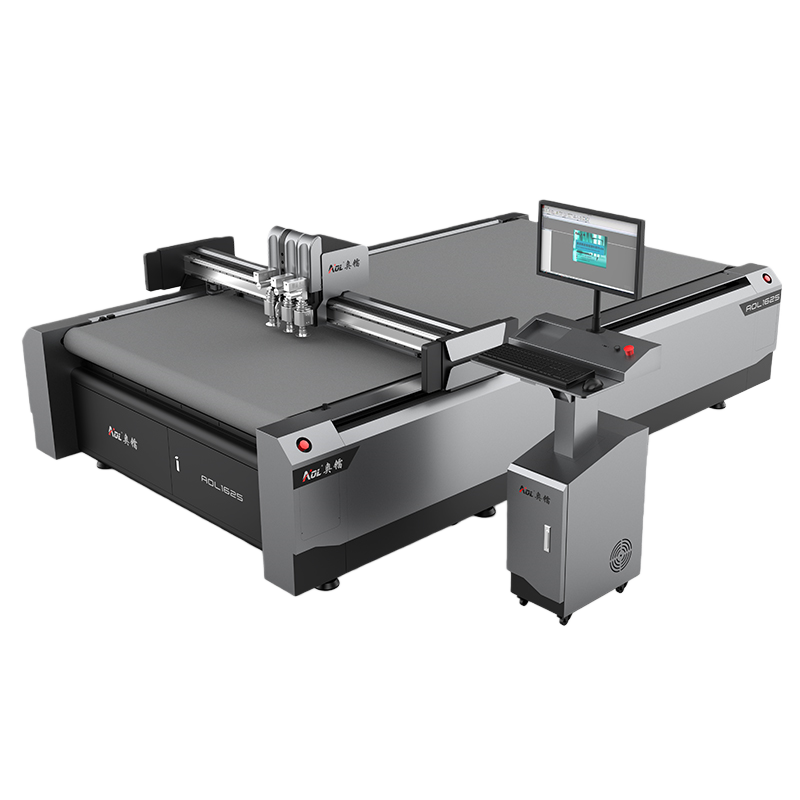
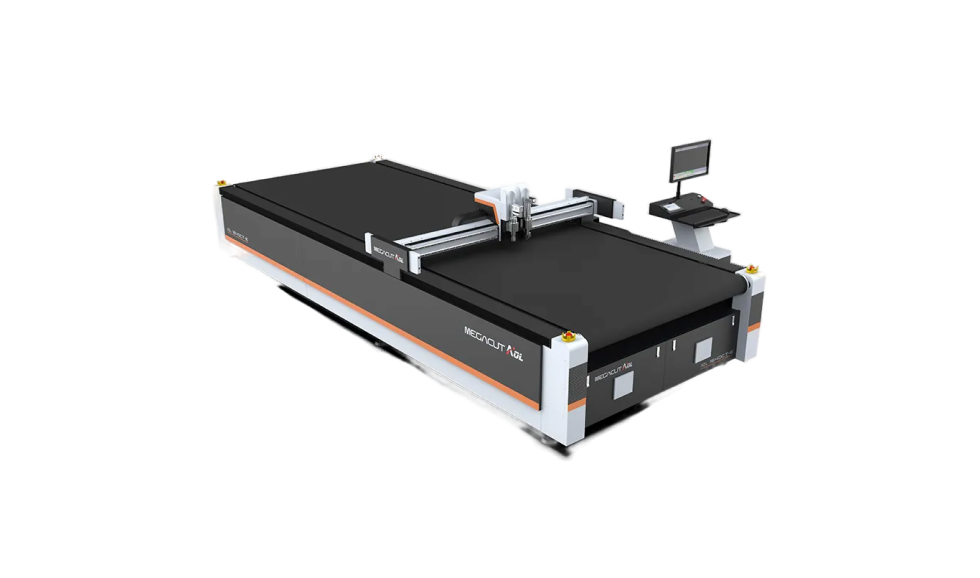
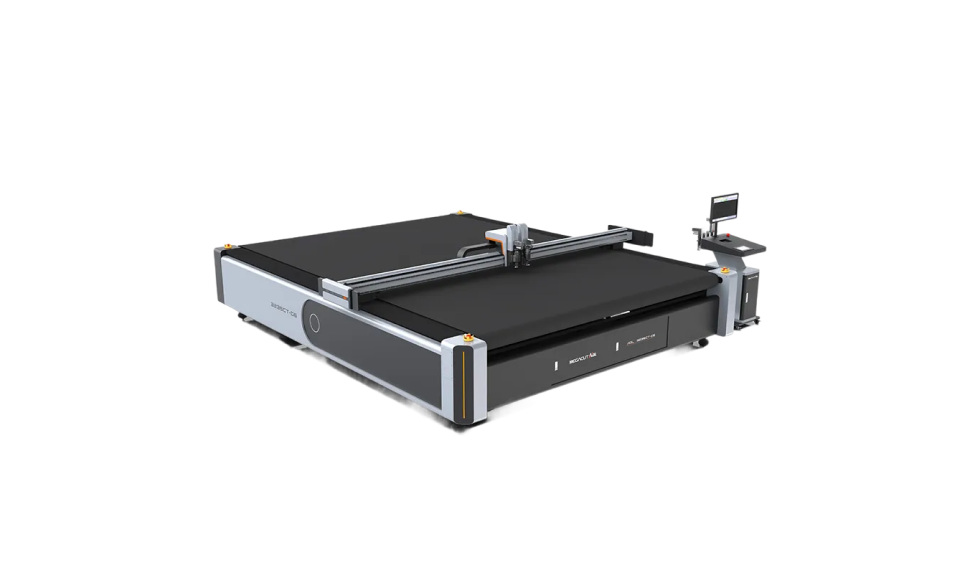
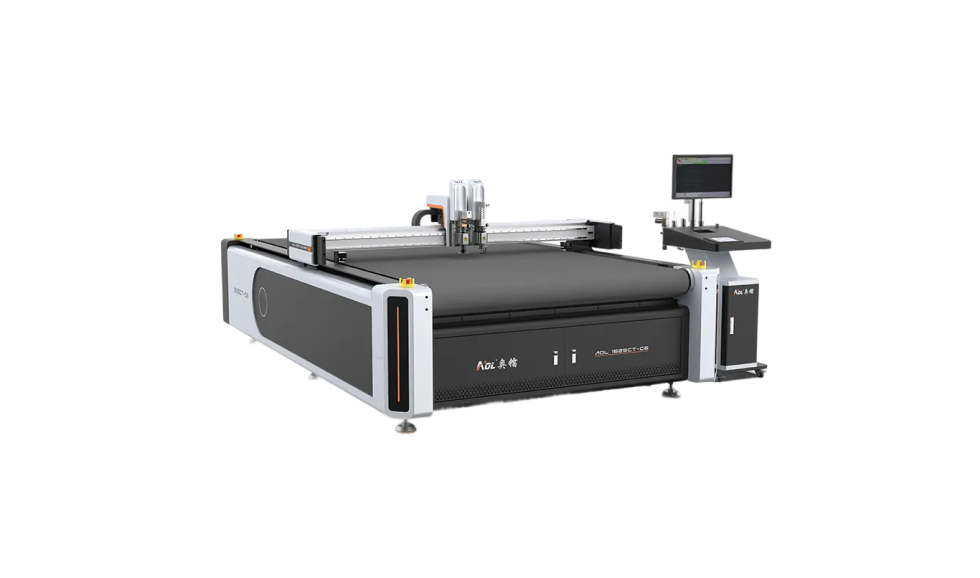
In today's signage manufacturing, display, and industrial processing sectors, the CNC cutting machine for PVC sheets is more than just a simple processing tool—it serves as the “core driving force” propelling traditional workshops toward digital factory transformation. The significance of this equipment lies in its complete revolution of conventional processing methods for rigid PVC foam boards (such as Forex and Sintra sheets). In the past, workers relied on manual sawing or table saws for cutting tasks. This approach was not only inefficient but also prone to material waste due to human error. Additionally, cut edges were often rough and uneven, and friction-induced overheating could even cause the sheets to melt. The advent of the CNC PVC panel cutter transforms “artisan craftsmanship” into “standardized industrial code” through fully automated computer-controlled paths. This ensures absolute precision consistency from the first panel to the thousandth, establishing a reliable quality benchmark for mass production.
From an operational efficiency perspective, this equipment acts as a “profit multiplier.” For business owners, labor costs represent the heaviest operational burden. A high-performance CNC PVC sheet cutting machine enables “unattended” processing. Operators simply hoist the entire sheet onto the vacuum-adhesion table, initiate the program, and walk away. The machine autonomously completes all cutting tasks, operating at full capacity during both day and night shifts—achieving a two-shift production model where “people rest while machines keep working.” More importantly, when paired with professional intelligent layout software, it maximizes space utilization across entire sheets like a jigsaw puzzle (known as “nesting” functionality), significantly reducing scrap waste. This ability to push raw material utilization to its limits directly lowers material costs per product, granting businesses greater pricing flexibility in competitive bidding.
In terms of quality and craftsmanship, the CNC PVC cutting machine resolves the industry's most persistent challenge: edge melting. PVC material is highly temperature-sensitive. The high-speed friction of ordinary saw blades generates intense heat during cutting, causing white discoloration, burrs, or even melting deformation at the cut edges. This often requires secondary sanding or trimming. Professional CNC cutters, however, feature high-speed air-cooled spindles and intelligent variable-speed control. They automatically match the optimal feed rate and spindle speed based on sheet thickness. The cutting tool maintains a consistently “sharp and cool” cutting state, producing edges as smooth as glass. These edges require no secondary processing and can be directly bonded, painted, or laminated. This “one-step finishing” capability not only enhances product aesthetics but also shortens delivery cycles.
Finally, from a business expansion perspective, this machine serves as an enterprise's “entry ticket” to new markets. Investing in a CNC PVC sheet cutting machine means businesses are no longer confined to basic sheet cutting but gain the capability to handle diverse, high-value orders. Whether producing three-dimensional illuminated signage, constructing intricate retail display cases, cutting custom shapes for architectural decoration, or even machining insulating gaskets for the electronics industry, this machine excels. It empowers businesses to confidently declare “We can do it,” enabling seamless entry into high-margin sectors like advertising, exhibitions, furniture, and model making. Thus, the true value of this equipment lies in transforming ordinary industrial panels into a core weapon for seizing market share and elevating brand value.

 EN
EN