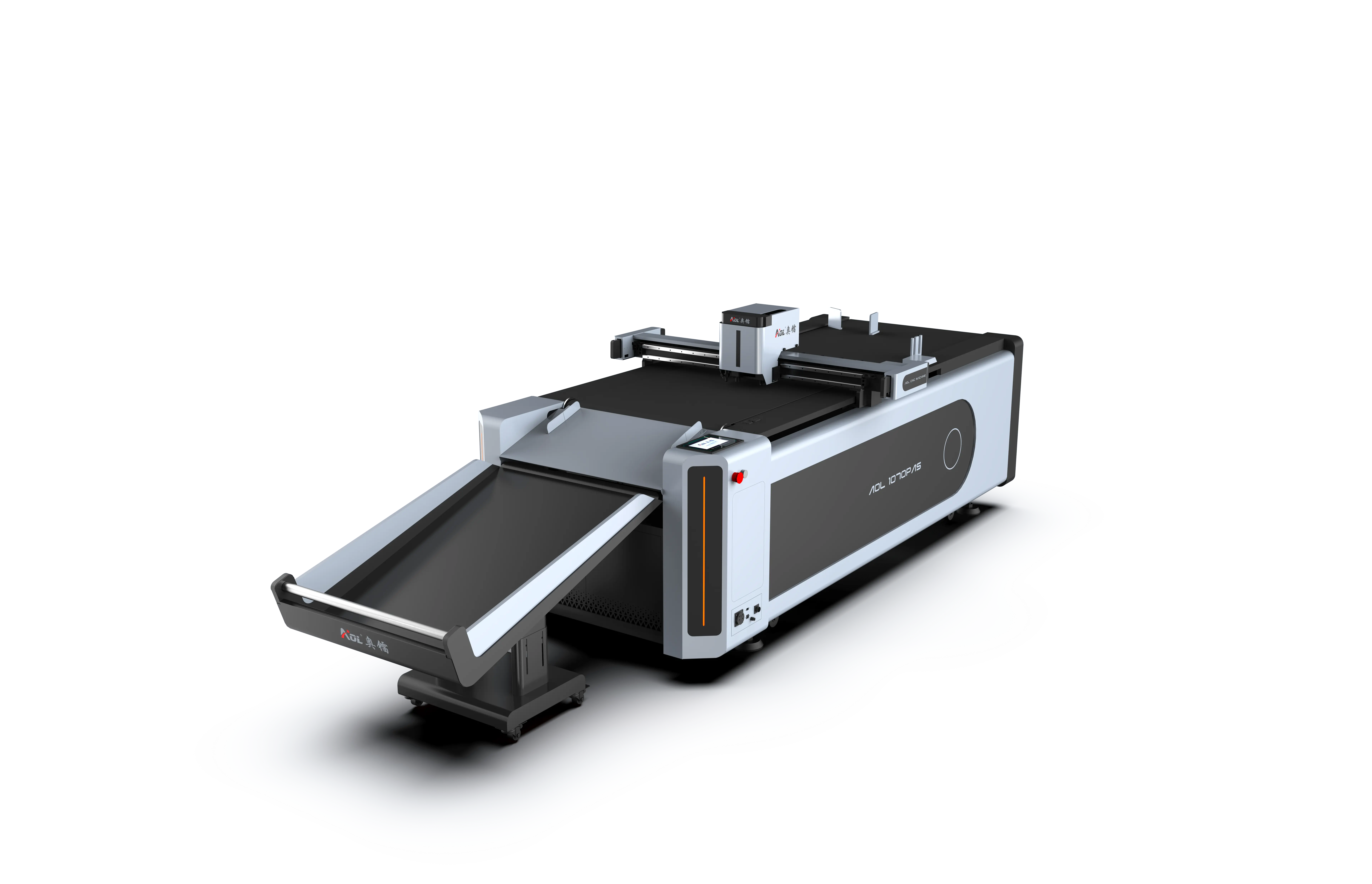
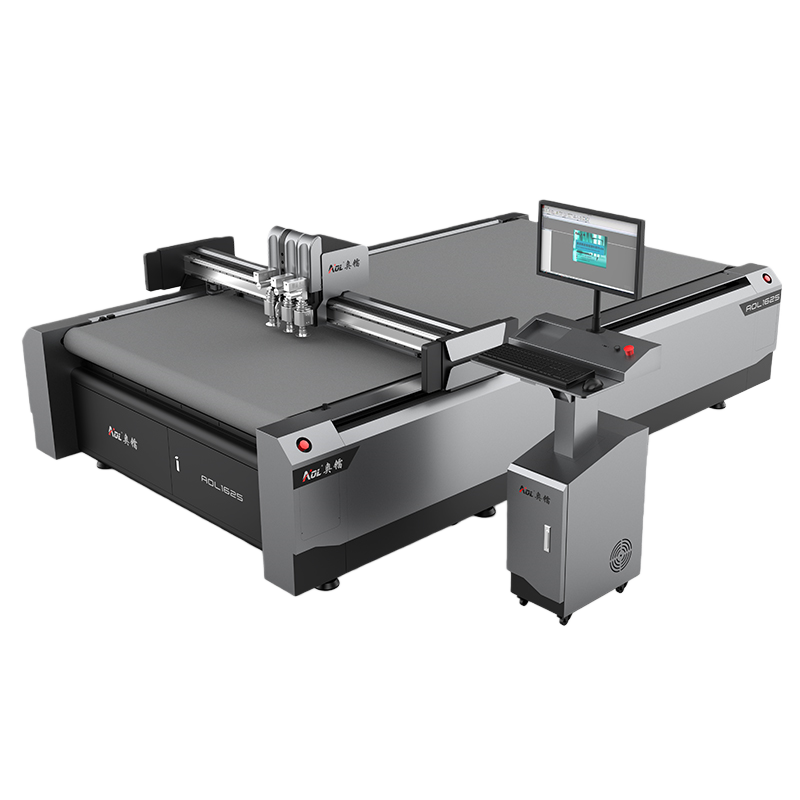
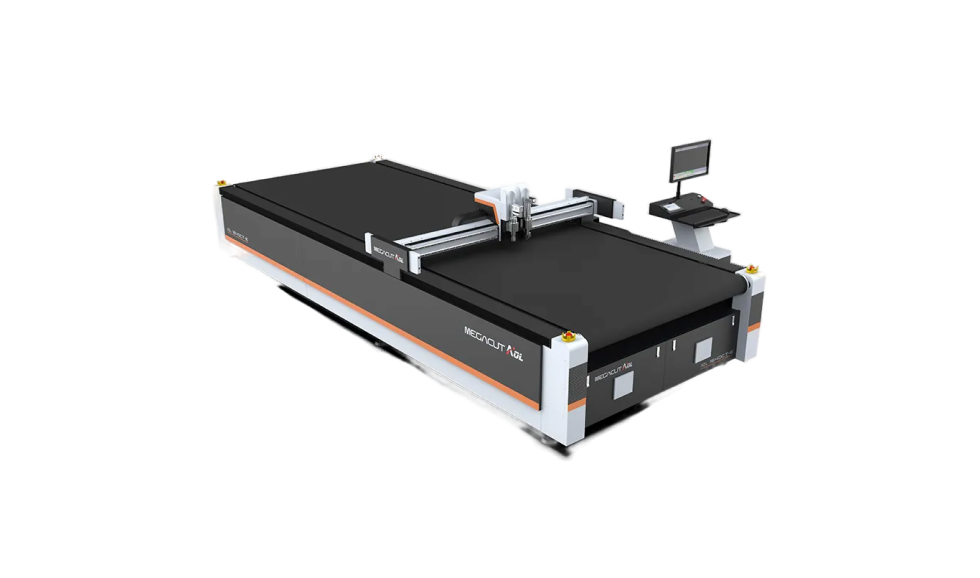
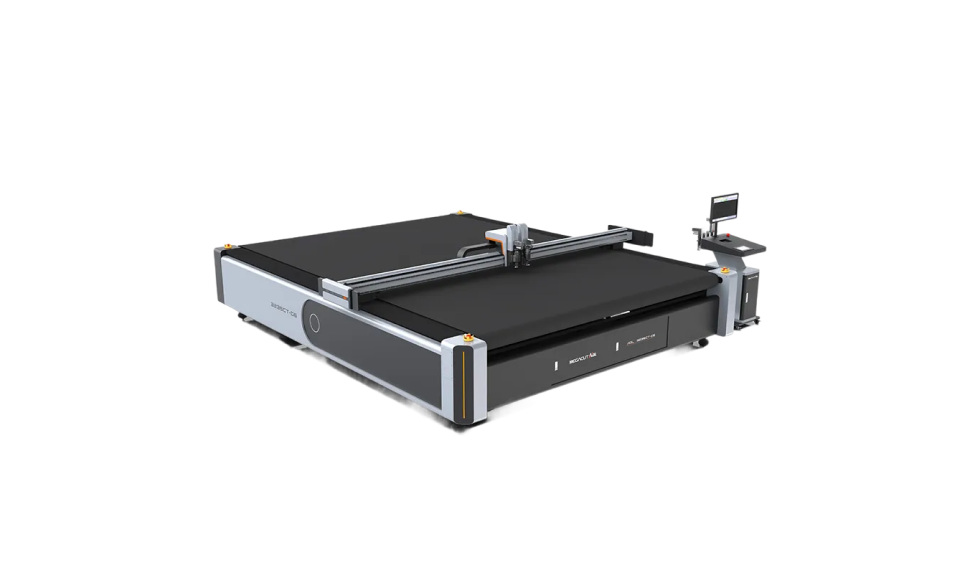
PVC foam board digital cutting technology has revolutionized traditional manufacturing production models by combining lightweight, durable foam sheets with advanced CNC routing and oscillating blade cutting techniques. Unlike conventional methods reliant on saw blades or stamping dies, digital cutting achieves exceptional repeatability and complex design flexibility without requiring mold creation, demonstrating broad application prospects across various industries.
Signage and graphic display currently represent the largest application market. Digital cutting flawlessly handles intricate contours for custom letters and logos, ensuring precise typography with smooth, burr-free edges that eliminate secondary polishing. In retail, it's widely used for creating POP and POS displays, enabling glue-free rapid assembly through interlocking structures. Furthermore, whether for A-frame displays or hanging signs, digital cutting can shape the foam board itself into intricate base forms, significantly boosting signage production efficiency.
In exhibition and event construction, PVC foam board's lightweight yet durable properties make it an ideal material for temporary structures. Digital cutting technology produces puzzle-like modular exhibition panels that interlock seamlessly via tongue-and-groove joints, forming smooth, paint-ready backdrop walls. Simultaneously, in museums, trade shows, or immersive experience spaces, it is employed to cut large 3D props and thematic decorative elements, ensuring perfect on-site alignment of oversized components to meet industry demands for rapid assembly and disassembly.
In architecture and interior design, this technology is driving high-end customization. Designers employ digital cutting to engrave intricate geometric acoustic patterns onto thick PVC panels, creating distinctive walls that blend aesthetics with functionality. In commercial spaces or public buildings, it is utilized to craft lightweight ceiling cloud formations. Furthermore, in architectural model making, thin PVC sheets undergo high-precision cutting to become ideal components for presenting design concepts, earning favor among architects.
In industrial and mechanical applications, PVC foam board demonstrates its functional value. Digital cutting precisely manufactures soft gaskets and isolation blocks for equipment protection. On factory production lines, it enables rapid fabrication of custom jigs and fixtures. Being softer than metal, PVC prevents scratching finished surfaces during assembly. For new product development, engineers leverage digital cutting for rapid prototyping, validating part fit before investing in costly injection molds.
In e-commerce and instant quotation markets, digital cutting technology has spawned novel business models. As DIY enthusiasts and startups seek small-batch customization, online cutting platforms enable users to directly upload vector files for flexible manufacturing starting from single-unit orders. This mold-free production method makes personalized packaging inserts and bespoke products economically viable.
The widespread adoption of digital cutting technology stems from its significant technical advantages. It completely eliminates the high costs of traditional molds, making small-batch prototyping affordable. Through intelligent nesting software, material utilization can be increased by 30%, significantly reducing waste. Most importantly, it can handle sharp angles, small internal holes, and intricate cut-out patterns that traditional sawing cannot achieve. Looking ahead, as cutting equipment speeds and automation levels improve, PVC foam board is evolving from a simple signage material into a precision engineering component and customizable part, playing an increasingly vital role in the “mass customization” trend.

 EN
EN