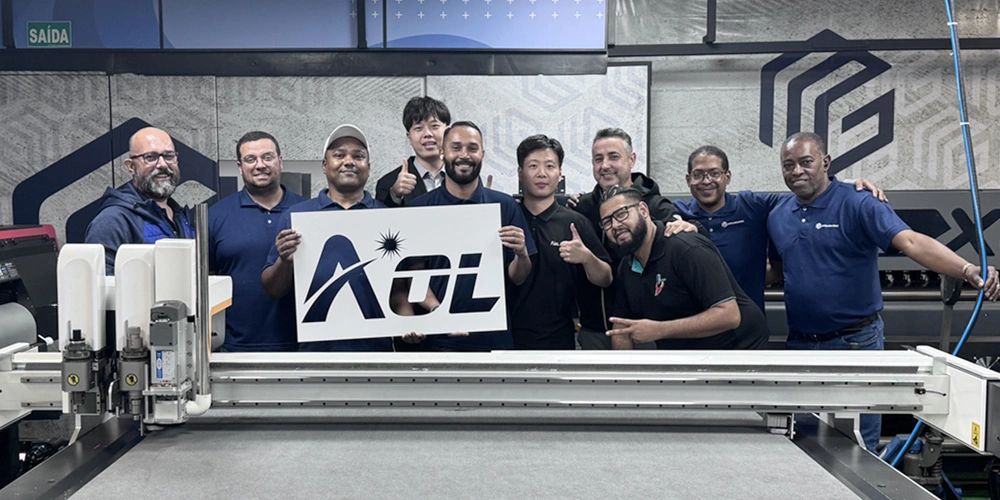

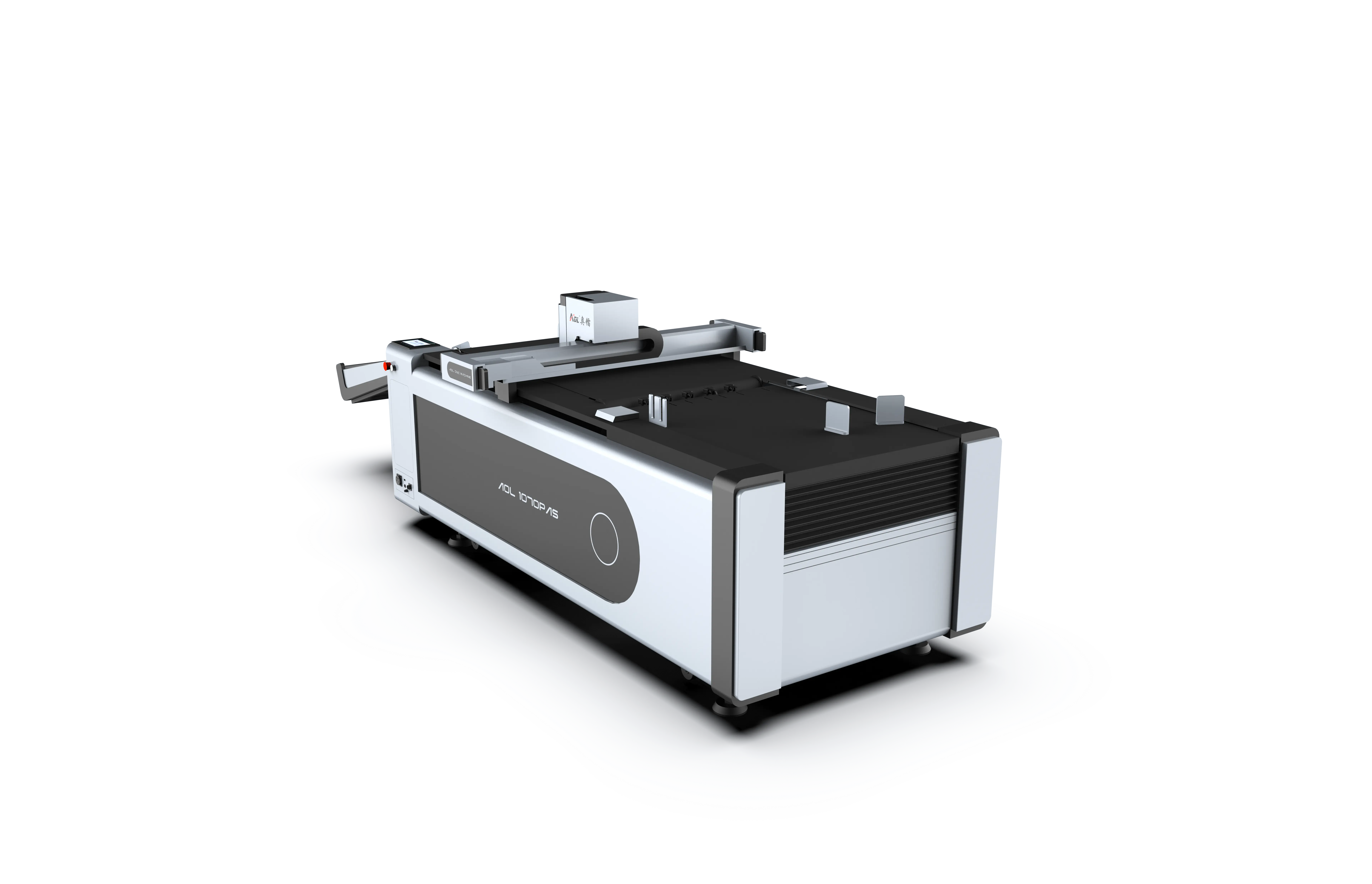
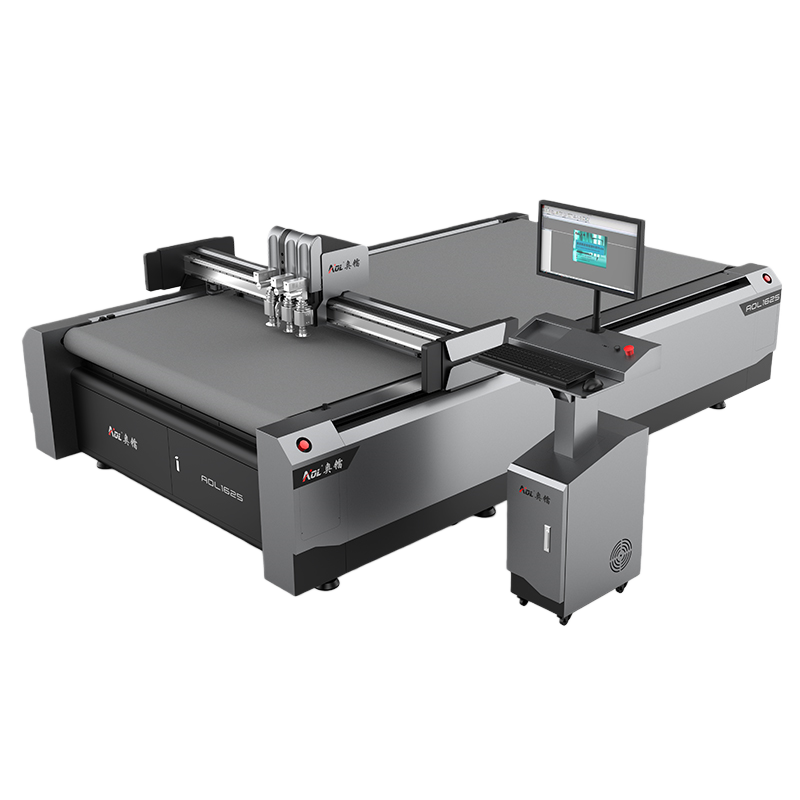
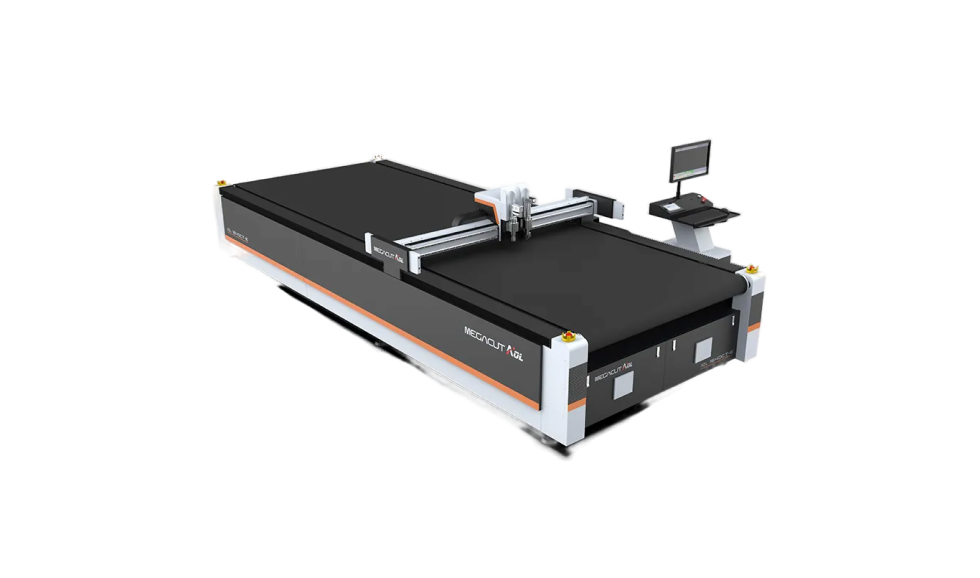
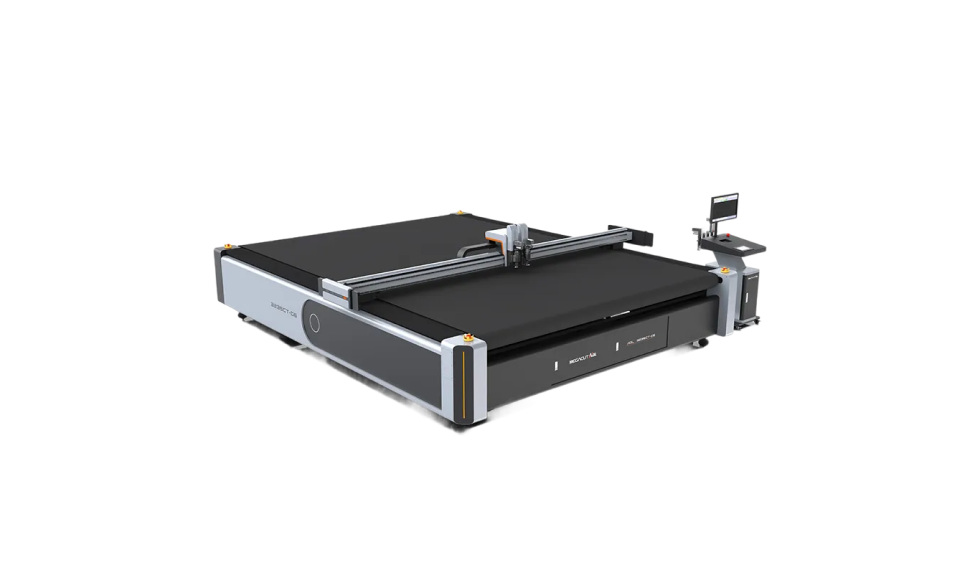
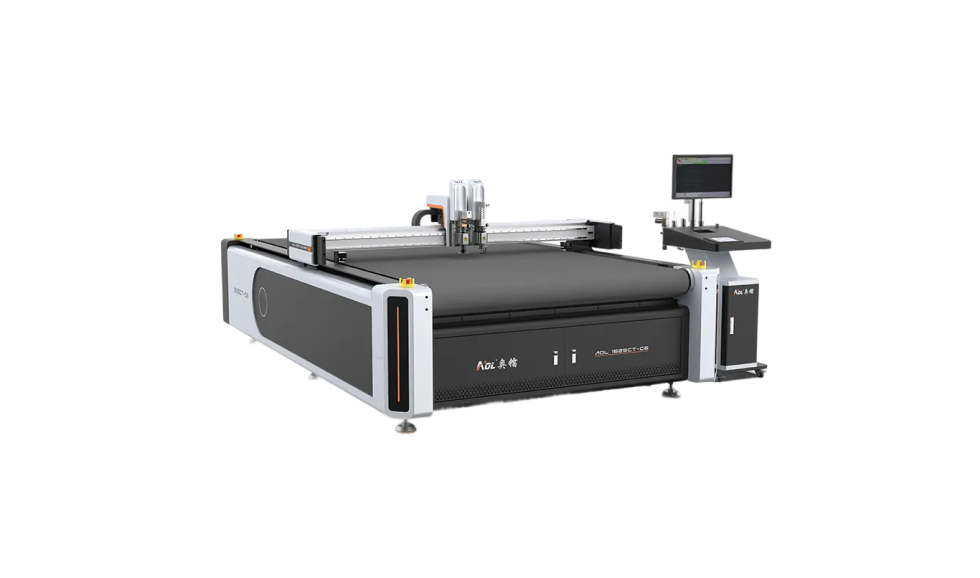
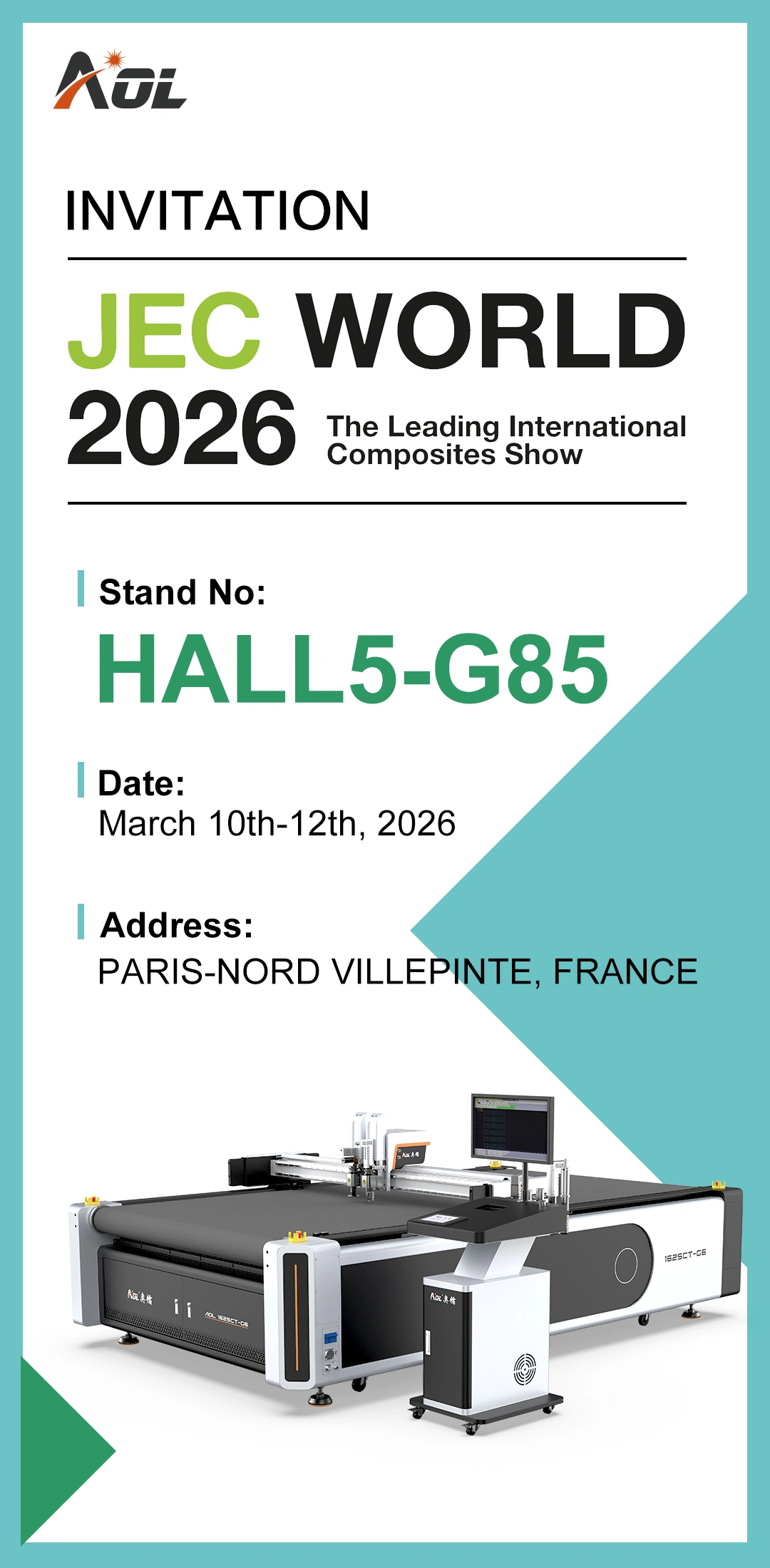
In the evolution of the modern signage industry, one piece of equipment is quietly redefining production workflows. It serves not only as the ideal partner for large-format printers but also as the core factor determining a graphics production company's manufacturing capacity and profit margins. This device, known as the “sign and graphics digital cutter,” has long transcended its traditional role as a cutting tool. It now acts as the vital bridge connecting digital designs to physical finished products. After printers complete pattern output, this equipment delivers its core value: transforming these designs into precisely shaped, ready-to-deliver products—be it vehicle wraps, garment heat transfer films, or custom window decals. Its emergence has liberated manual labor, replacing complex contour cutting once reliant on craft knives and skilled technicians with fully automated batch production.
From a commercial operations perspective, this machine's significance lies in its ability to expand high-margin business opportunities. Whether it's car decals requiring precise cutting around door handles, complex multi-color apparel heat transfers, or sticker waste layouts demanding backing paper retention while cutting the face material—these high-value, technically demanding orders all require the support of a high-precision cutting device. Ownership of such a cutter enables businesses to move beyond low-margin, volume-driven competition and transition toward undertaking customized, complex high-end projects. Simultaneously, the production efficiency gains from automated cutting significantly reduce labor and time costs. Operators simply set parameters in the software, allowing the machine to operate 24/7 while ensuring the thousandth graphic matches the first in contour with absolute precision. This equipment-driven standardization and consistency not only safeguards brand clients' visual identity but also significantly reduces material waste caused by manual errors.
Furthermore, with continuous innovations in film materials and techniques—from high-reflective engineering-grade reflective films to wall decoration films suitable for textured surfaces—a high-performance digital cutter empowers businesses to swiftly adapt to market shifts. It liberates sign makers from constraints of material type or design complexity, truly transforming them into one-stop graphic solution providers. In summary, this equipment is not merely an efficiency-enhancing tool but a strategic asset that drives enterprises toward production capacity upgrades, expands profit channels, and builds professional reputation.