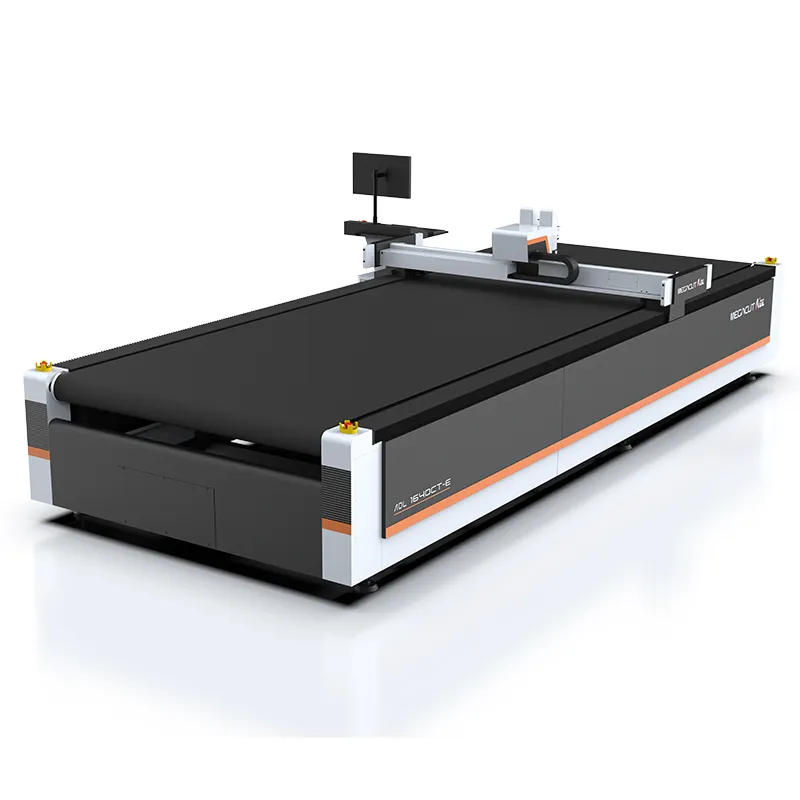
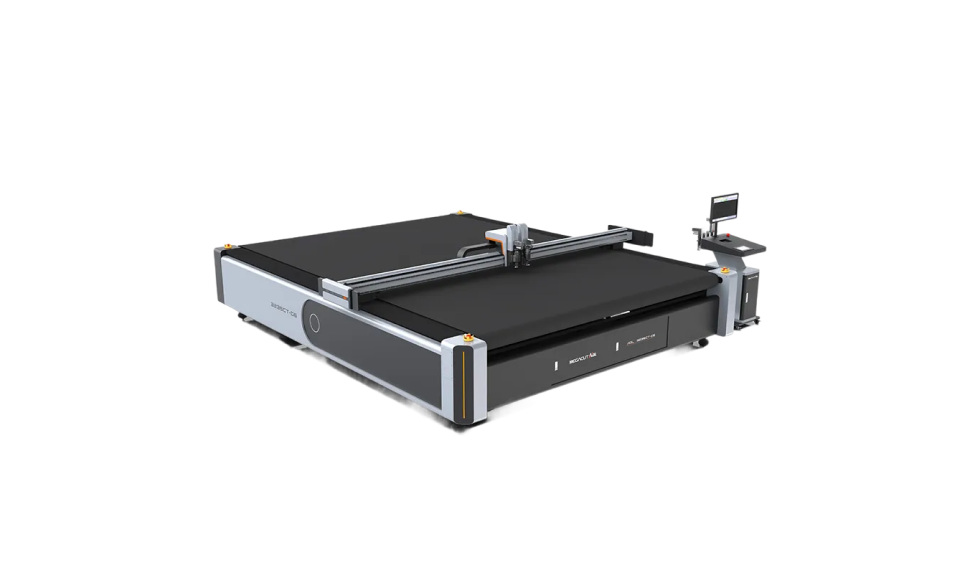
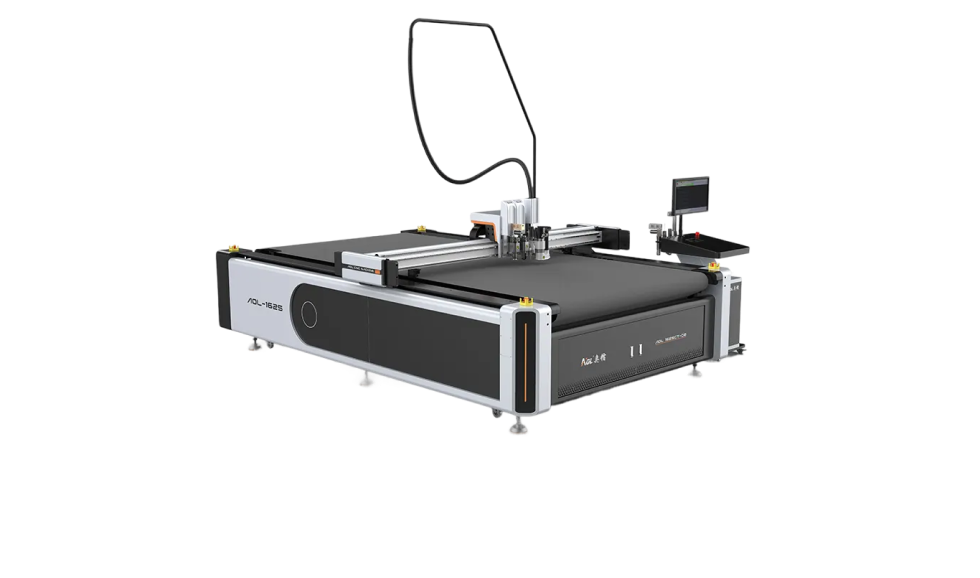
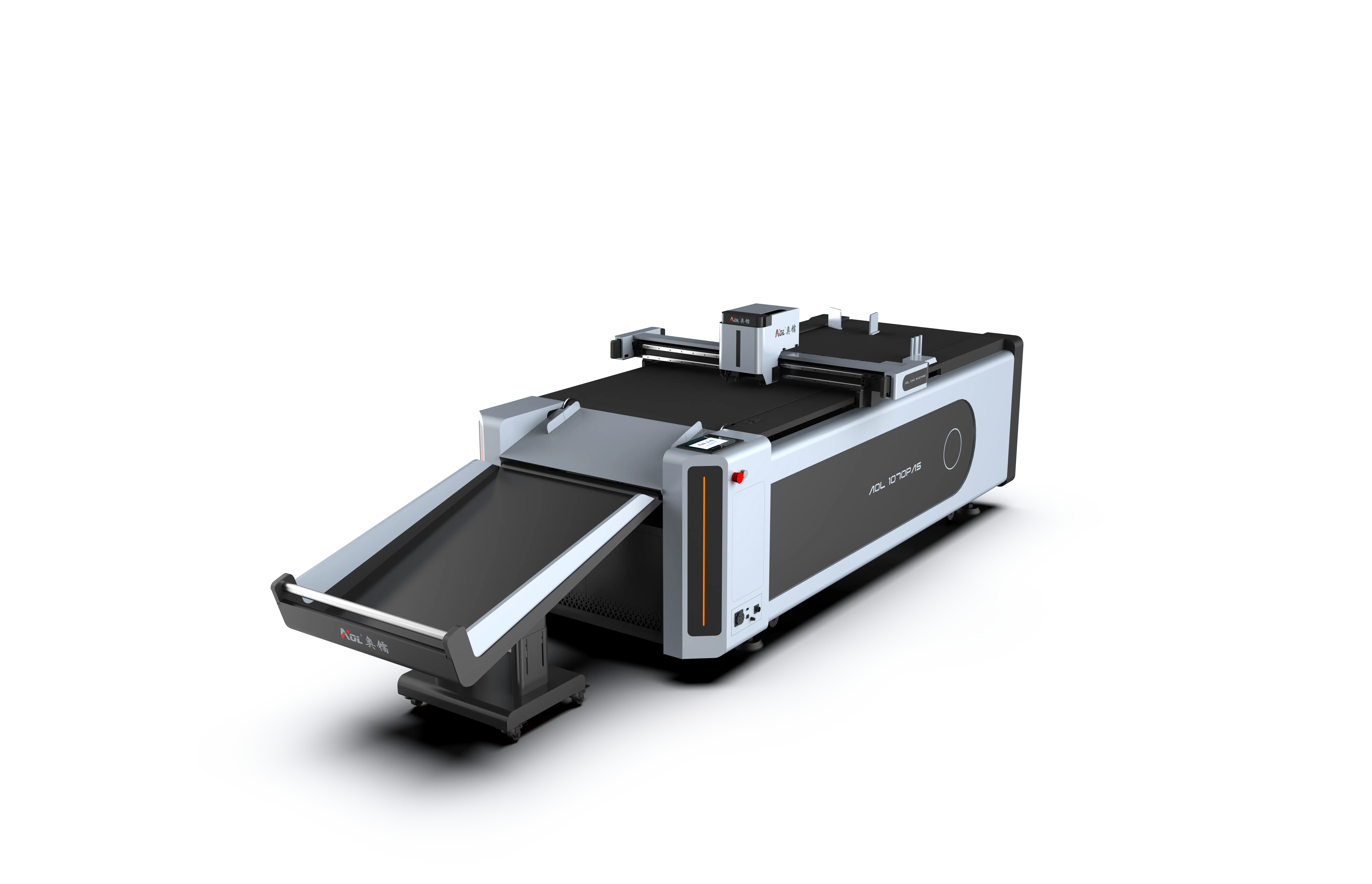
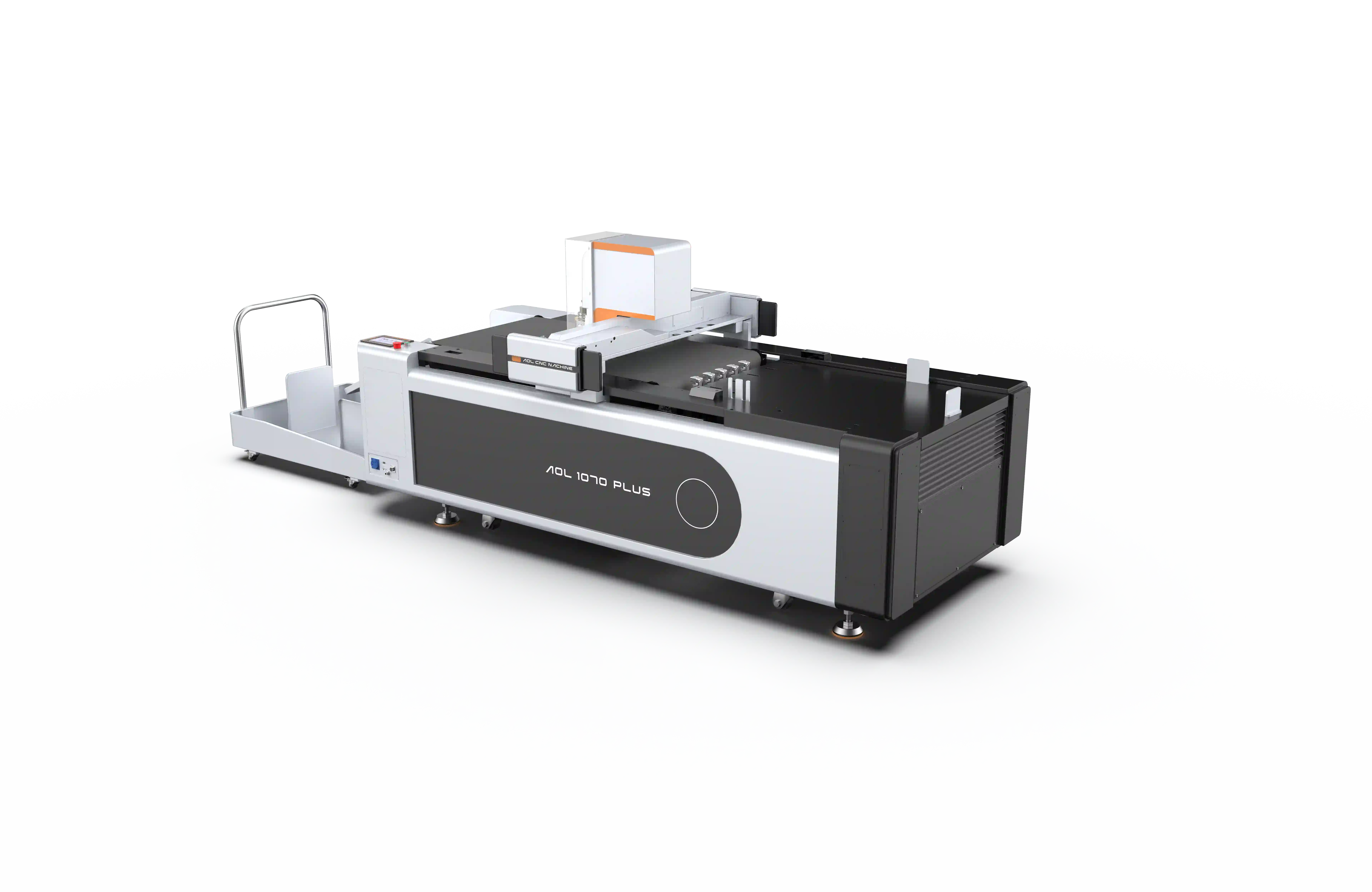
In today's furniture manufacturing and upholstery renovation industry, manual fabric cutting for sofas has long been a skilled craft relying on experience and tactile sensitivity. However, with the growing market demand for customization and the continuous rise in labor costs, traditional operational models are facing unprecedented challenges. The advent of sofa cover cutting machines represents not merely an equipment upgrade, but a profound productivity revolution. The core value of this equipment lies in its ability to completely eliminate the risk of human error in cutting. Traditional manual cutting is highly susceptible to dimensional deviations caused by operator fatigue or distraction, often resulting in the waste of expensive fabrics. In contrast, automated equipment follows high-precision CAD digital models, utilizing vibrating blades or laser guidance to replicate each cutting action with micron-level accuracy. This ensures flawless execution for every cushion and armrest in mass production, significantly boosting efficiency in subsequent sewing processes.
Beyond precision gains, this machine also impressively addresses the industry pain point of material waste. Fabric typically constitutes the largest cost component in sofa production, yet traditional layout methods often generate substantial excess scraps. Modern sofa cover cutting machines are equipped with advanced intelligent layout software that acts like an actuary, calculating optimal fabric utilization in minimal time. For companies processing high-end velvet or imported linen, adopting automated cutting typically saves 10% to 15% in raw materials. These cost savings can offset the equipment investment within months. More importantly, this equipment has successfully addressed the labor bottleneck plaguing the upholstery industry. Training a skilled cutting master typically takes years, whereas automated systems enable ordinary workers to become proficient after brief training through simple interfaces. Machines can operate continuously around the clock, freeing operators from strenuous manual labor to focus on higher-value tasks like sewing or customer interactions—enabling an efficient “one operator, multiple machines” management model.
Moreover, against the backdrop of consumption upgrades, the sofa cover cutting machine serves as a core enabler for achieving “mass customization” production models. Modern consumers no longer settle for mass-produced items, yet manually processing custom orders often disrupts established production rhythms. CNC cutting machines perfectly resolve this tension: switching designs is as simple as switching files on a computer. This allows workshops to seamlessly transition between bulk orders and personalized customization, even expanding into high-value niche markets like modified car seats or yacht sofas. Finally, from a human-centered perspective, this equipment liberates workers from sharp scissors and repetitive wrist labor, significantly reducing the risk of workplace injuries and occupational strain. It fosters a safer, more sustainable production environment for enterprises. In summary, the significance of the sofa cover cutting machine extends beyond its physical cutting capability. By shortening production cycles, reducing material waste, and ensuring consistent quality, it transforms traditional cutting workshops from cost centers into value-creating hubs. This provides businesses with robust technical support and profit assurance in fiercely competitive markets.

 EN
EN