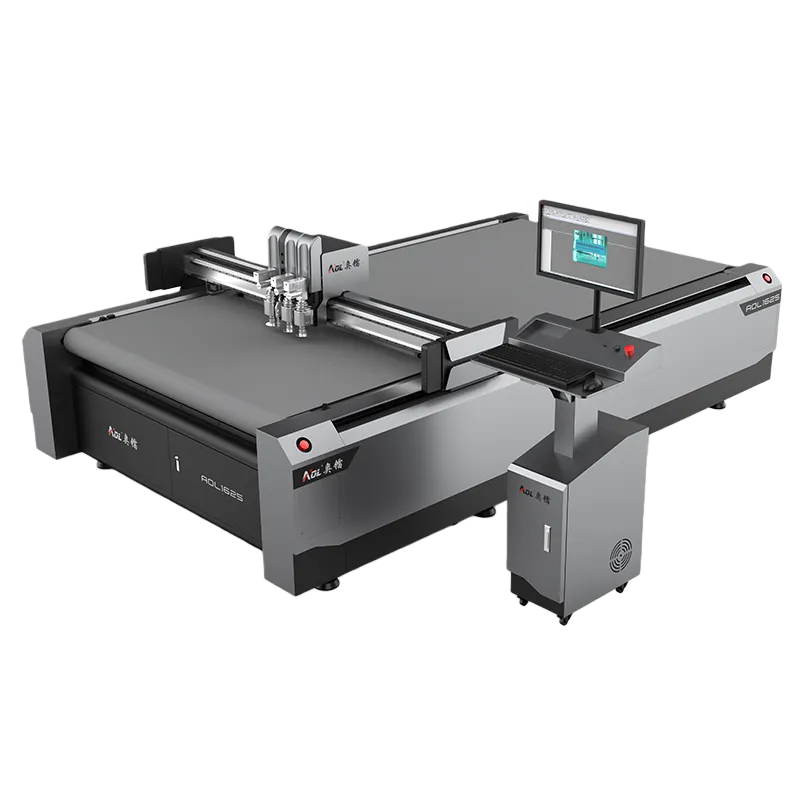
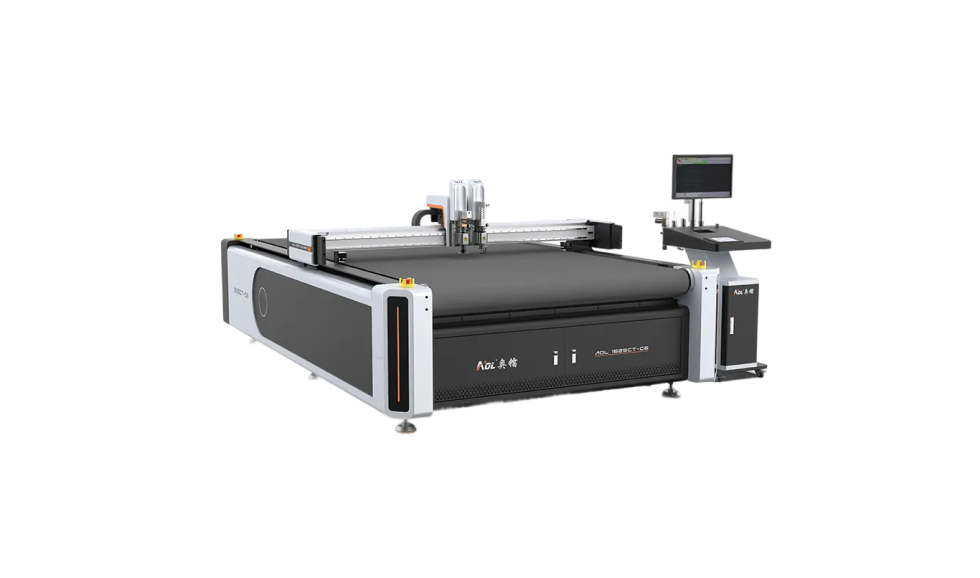
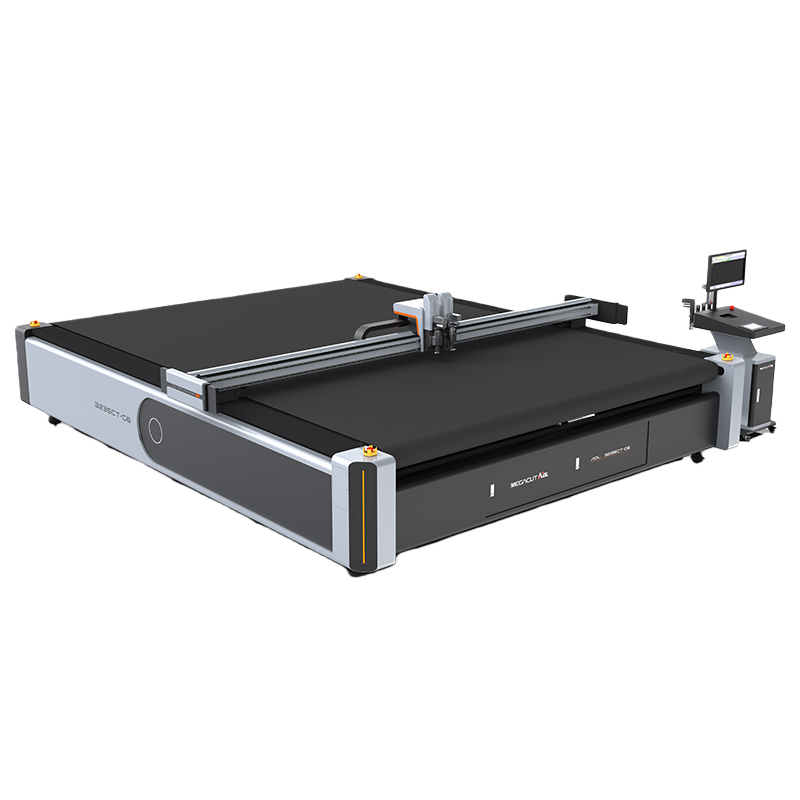
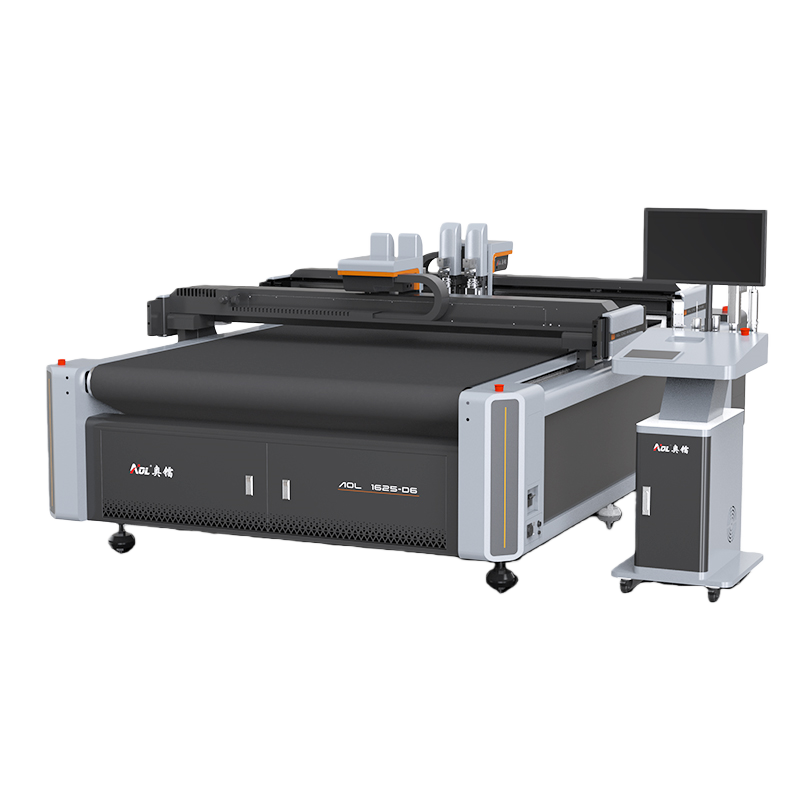
En el panorama manufacturero actual, las máquinas de corte de cuero industrial ofrecen perspectivas de aplicación excepcionalmente amplias, que van mucho más allá de las curtidurías tradicionales y se han convertido en equipos de producción esenciales para numerosas industrias de alto valor añadido. A medida que la tecnología de automatización sigue madurando y los mercados posteriores buscan eficiencia, precisión y sostenibilidad, la demanda de estos equipos aumenta constantemente.
Dentro de los interiores automotrices, las máquinas industriales de corte de cuero constituyen equipos fundamentales para la fabricación de componentes como asientos, reposacabezas, apoyabrazos, fundas para volantes y paneles de puertas. La fabricación automotriz exige una alta consistencia en los componentes, y las cortadoras industriales garantizan que cada pieza de cuero cumpla con las estrictas tolerancias de los fabricantes originales de equipo (OEM), logrando además un ajuste preciso de los patrones sobre superficies tridimensionales complejas. En particular, en el mercado premium de vehículos eléctricos (EV), el uso extensivo de materiales sintéticos y cueros ecológicos está impulsando la demanda de líneas de corte automatizadas de alta velocidad, lo que constituye un nuevo punto de crecimiento en este sector.
En la industria de fabricación de muebles, los muebles tapizados grandes, como sofás, sillas de oficina y cabeceros, requieren un uso extensivo de cuero natural con formas irregulares. Las cortadoras industriales de cuero aprovechan algoritmos avanzados de anidamiento para maximizar el aprovechamiento del material durante el trazado, reduciendo significativamente el desperdicio de este costoso material. Al mismo tiempo, realizan sin esfuerzo cortes de respaldo alto y procesamiento compuesto de múltiples materiales, como cuero, espuma y tejido. Esto se ajusta perfectamente a las exigencias actuales de la producción de muebles a gran velocidad y de los sistemas modulares de sofás, que demandan cambios rápidos y una fabricación eficiente.
La fabricación de calzado también depende de máquinas industriales para el corte de cuero. Un solo par de zapatillas o zapatos de vestir suele constar de decenas de componentes distintos para la parte superior, el forro y la suela. El corte con troqueles tradicionales presenta dificultades ante curvas complejas y requisitos de perforación intrincados. Las cortadoras industriales realizan rápidamente estos cortes intrincados de piezas pequeñas con una precisión excepcional, mejorando significativamente la eficiencia del proceso de «troquelado». Además, a medida que crece la demanda de los consumidores de personalización, estas máquinas permiten cortar patrones no estándar con flexibilidad y sin necesidad de cambiar físicamente los troqueles, lo que posibilita técnicamente la personalización masiva.

 EN
EN