
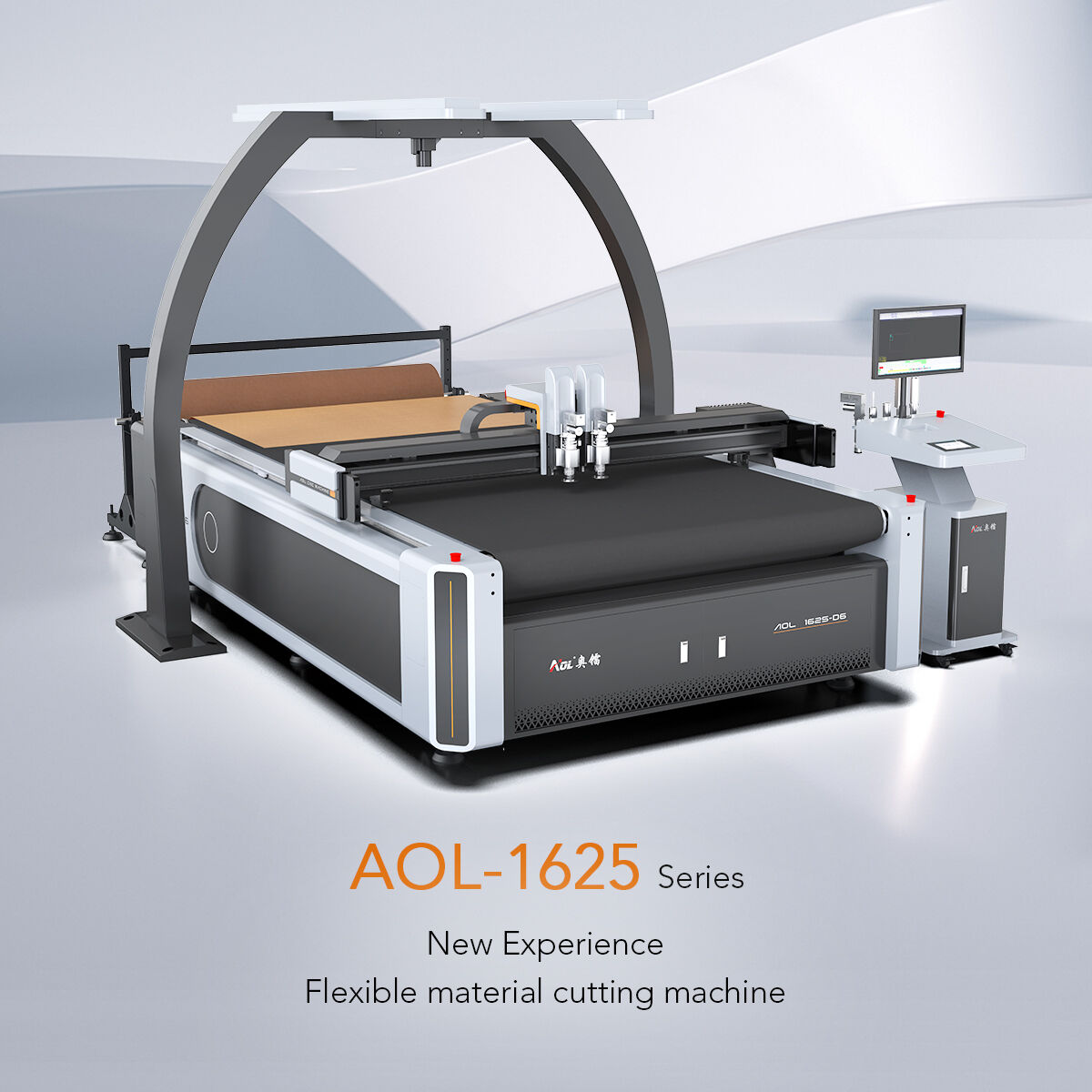
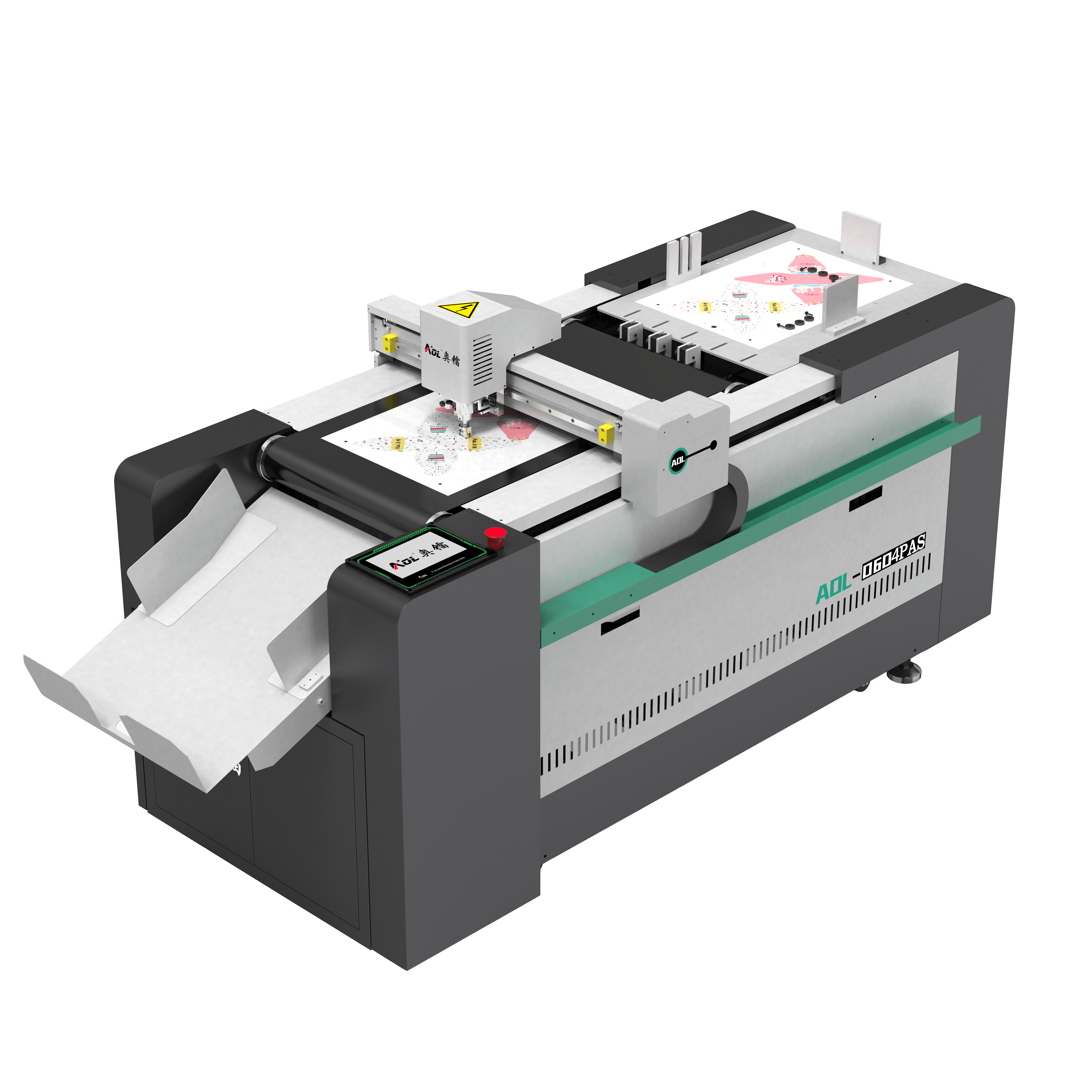
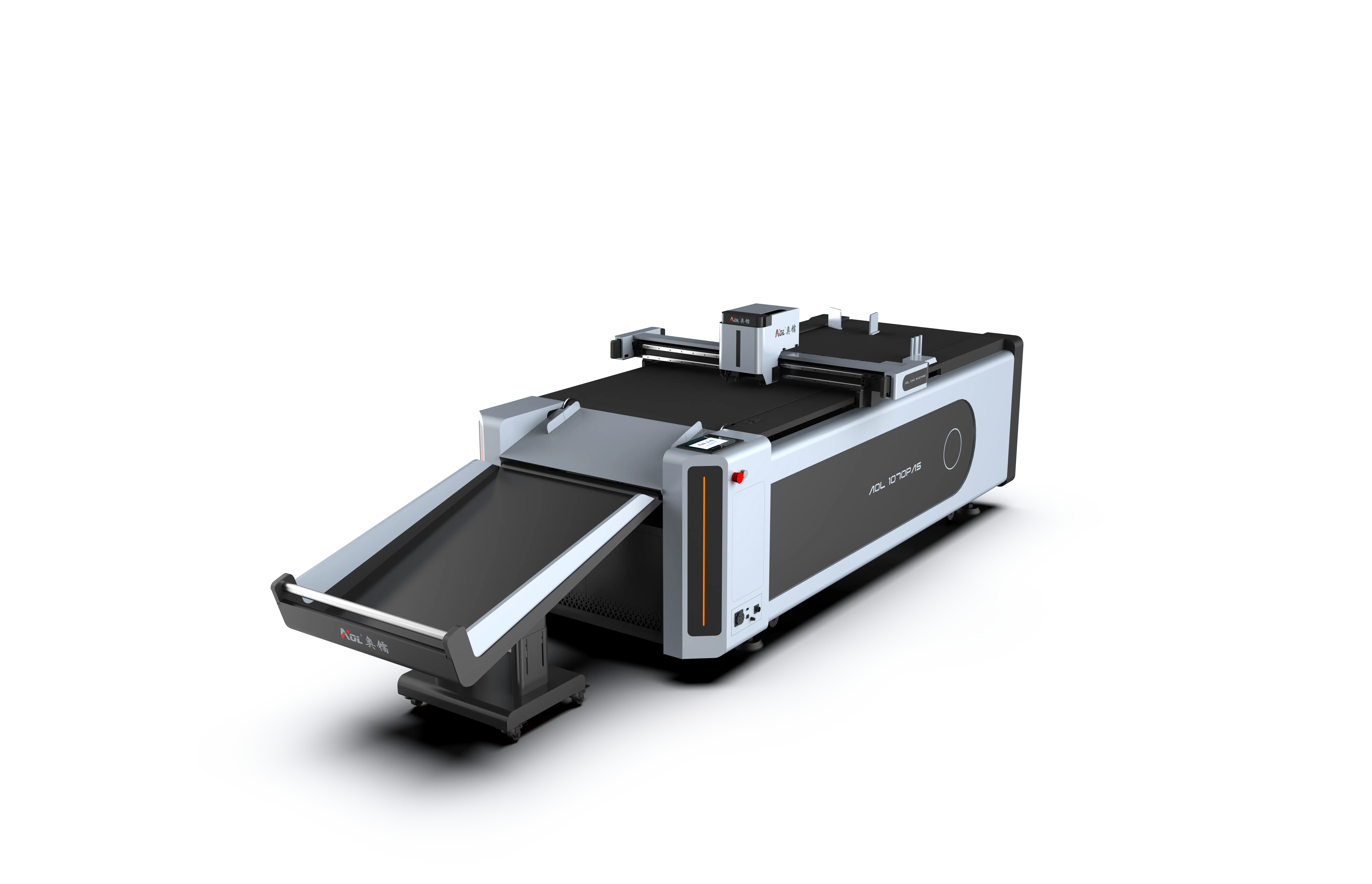
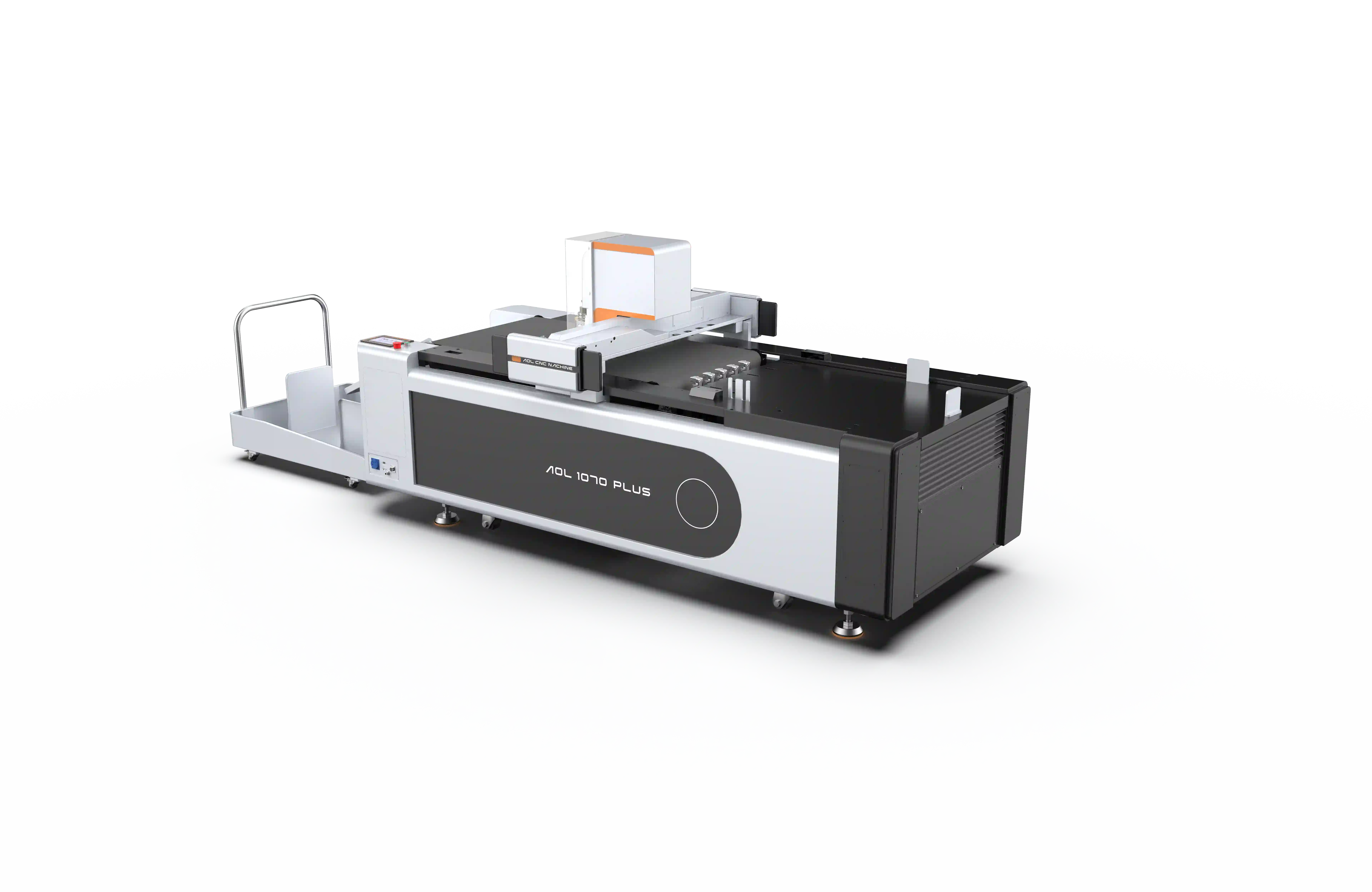
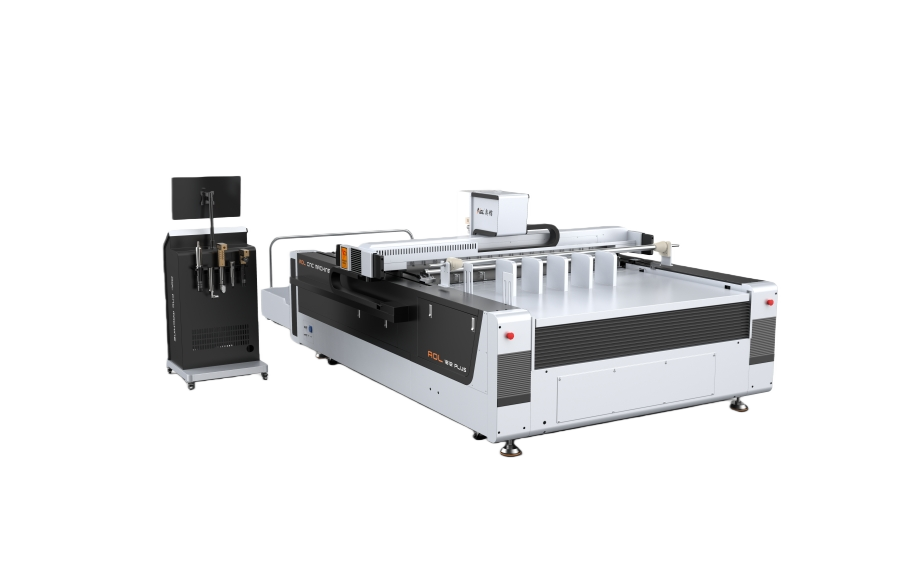
In today's fast-paced manufacturing environment, automated fabric cutting machines hold immense potential and are profoundly transforming production models across multiple industries. In the apparel and fashion sector, whether for mass production in fast fashion or personalized on-demand manufacturing, these machines directly convert design files into precisely cut pieces. This significantly shortens time-to-market and enables businesses to respond flexibly to market trends. In automotive interiors and furniture upholstery, facing complex geometries of leather, foam, and composite materials, automated fabric cutting machines ensure perfect fit for components like seat covers and headrests through high-precision cutting, while minimizing waste of expensive fabrics.
Furthermore, in high-end sectors like technical textiles and composites—including aerospace, medical textiles, and geotextile production—automated fabric cutting machines safely and efficiently handle abrasive or high-value materials like carbon fiber and Kevlar, eliminating human cutting errors and health risks. In the home textiles market, facing high-volume orders for mattresses and curtains, automated equipment supports 24/7 continuous operation, ensuring product consistency and rapid delivery. With the proliferation of digital printing technology, automated fabric cutting machines have also enabled seamless automation from printing to cutting, providing technical support for personalized customization and rapid prototyping. Overall, automated fabric cutting machines are emerging as core equipment for the textile manufacturing industry's transformation and upgrading, with their application boundaries continually expanding.