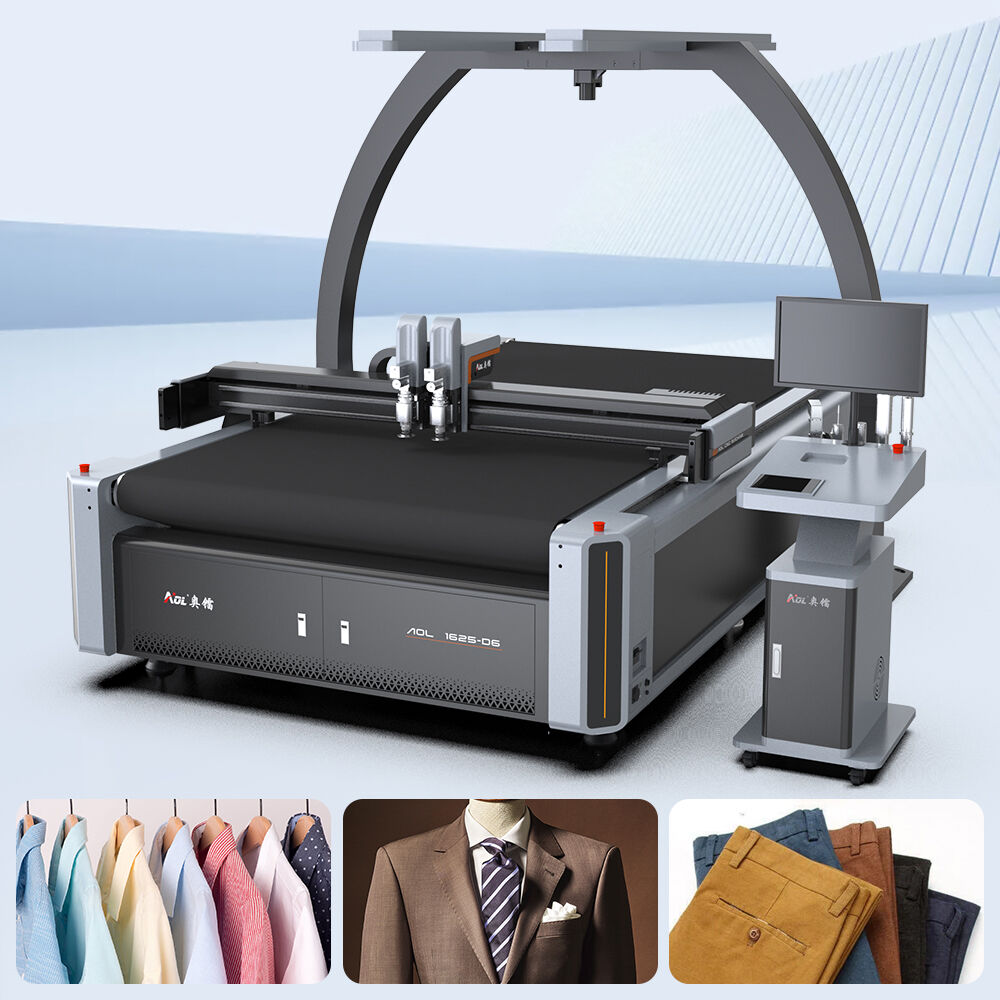
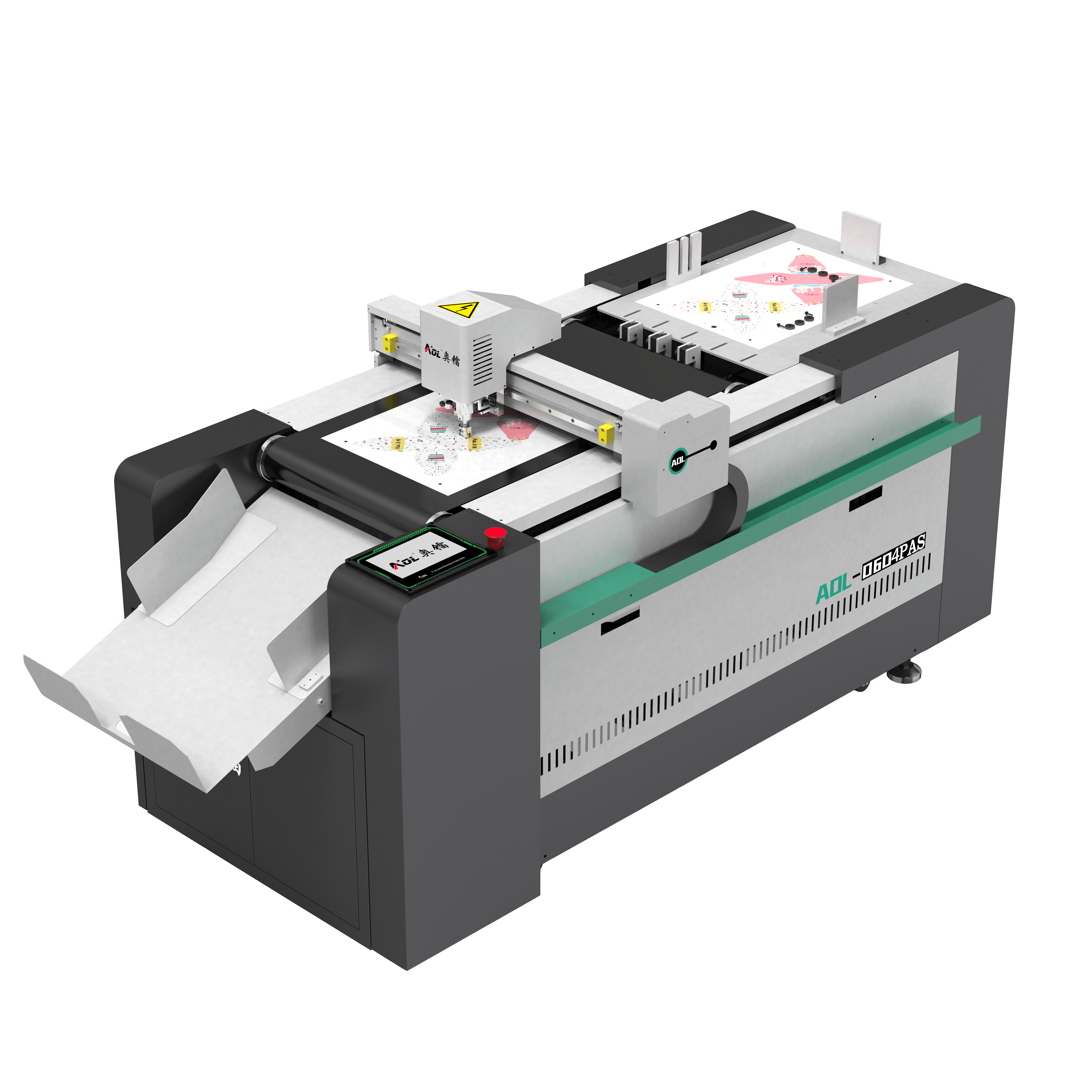
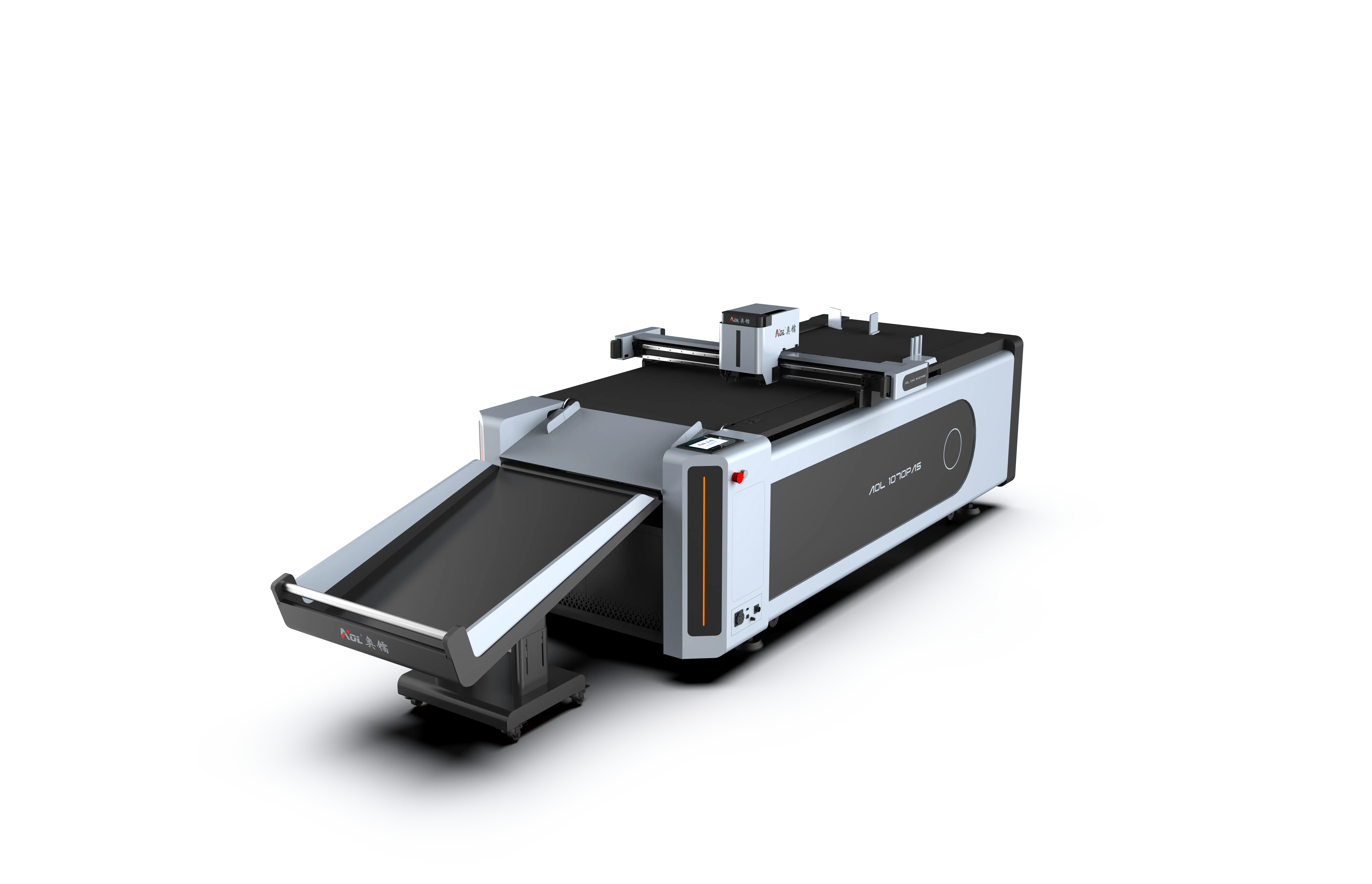
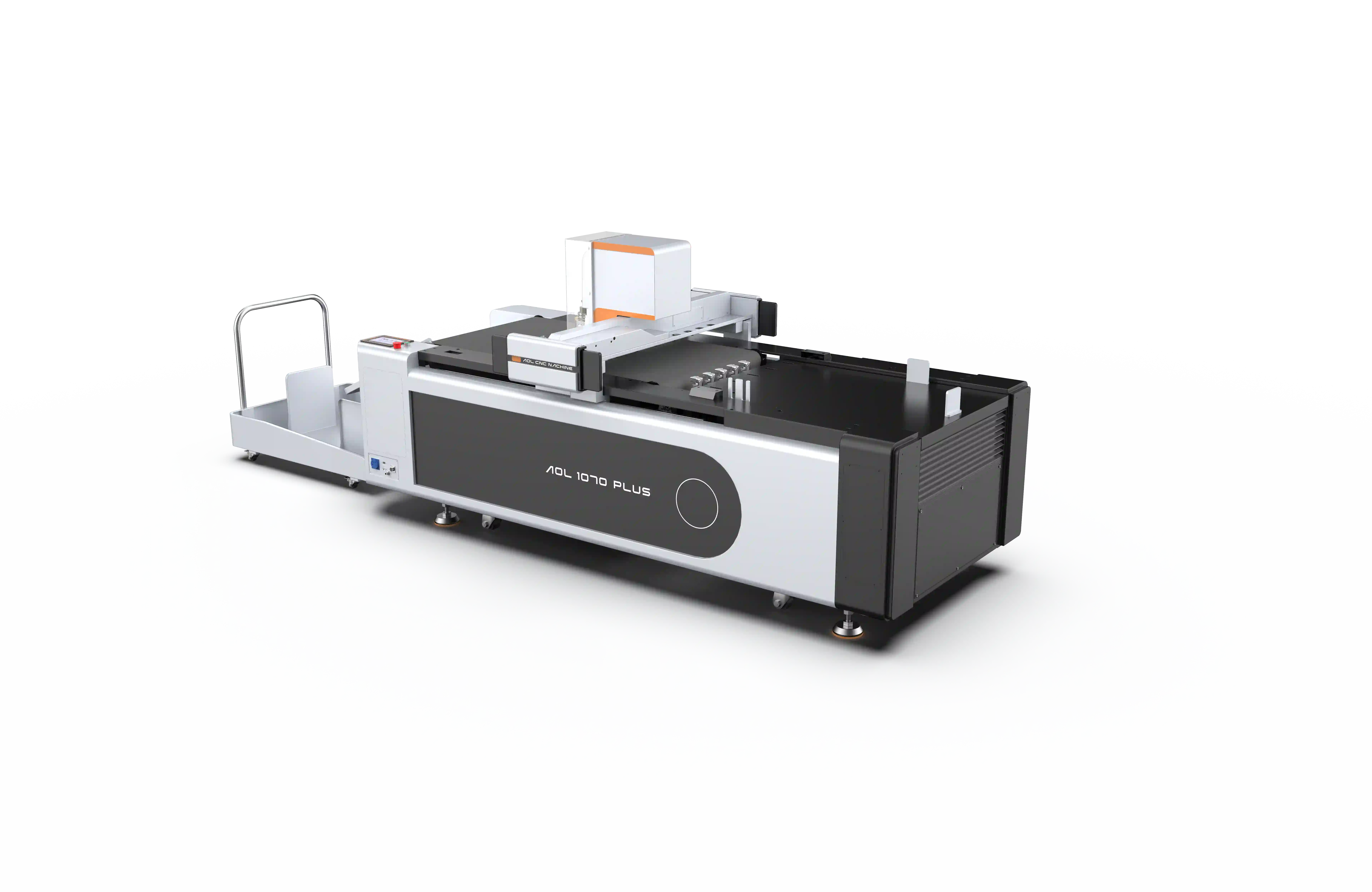
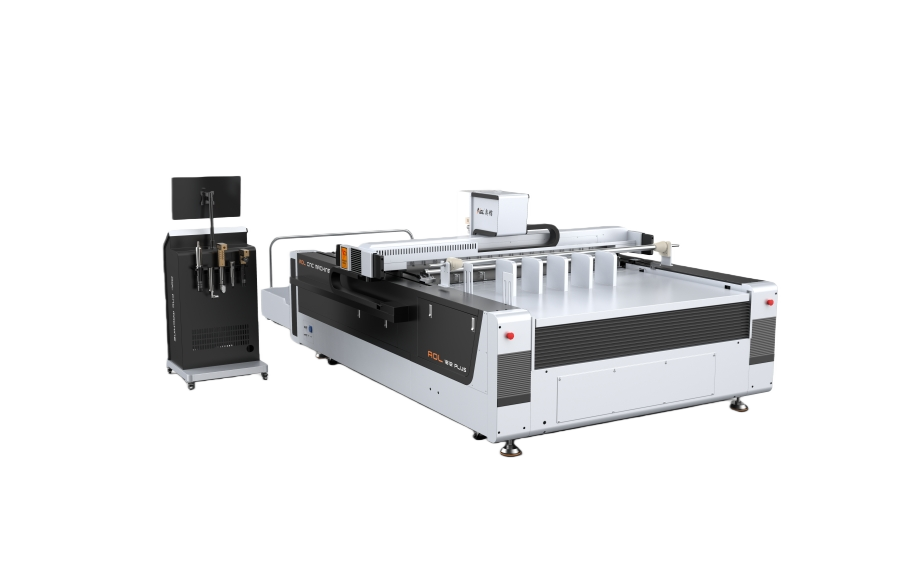
In the fast-paced textile and apparel manufacturing sector, the difference between profit and loss often hinges on speed and precision. An automatic cutting machine is not merely a piece of equipment but a transformative asset capable of redefining the entire production process. Its significance is first reflected in its profound economic impact: manual cutting relies on skilled artisans, a type of labor that is both scarce and costly. A single automated cutting machine enables one operator to handle workloads previously requiring teams of five to ten people, while operating 24/7. This drastically shortens the delivery cycle from design to finished garments, allowing brands to respond faster to market trends than competitors still using manual methods.
Beyond efficiency, the modern textile industry faces immense sustainability pressures, making automated cutting machines crucial for precision and waste reduction. Integrated with CAD software, modern models employ algorithms to calculate optimized layout patterns, arranging fabric pieces in ways imperceptible to the human eye. Even a 3% to 5% fabric savings translates to substantial annual savings and environmental benefits for factories processing tons of material daily. Moreover, as fabrics extend beyond cotton and polyester, the rise of technical textiles and composites demands higher cutting standards. Automatic cutting machines effortlessly handle elastic knits without distortion, cut smooth satin without layer slippage, and even process carbon fiber materials for automotive interiors. They ensure the 1000th cut piece matches the first with precision—a level of quality control unattainable through manual cutting.
At a deeper level, automated cutting machines serve as pivotal nodes in smart factories and Industry 4.0. When connected to the cloud, they record real-time data on fabric consumption, cutting duration, and blade wear. This information feeds into inventory management and production planning systems, creating a seamless digital chain from design to shipment. Ultimately, this converges into the enterprise's core competitive advantage: scalable capacity. For growing businesses, the ability to fulfill large orders is pivotal to development. Manual cutting often creates a physical bottleneck, whereas automated cutting machines eliminate this constraint. Whether an order is for 100 or 10,000 pieces, it can be completed with equal efficiency, empowering small and medium-sized enterprises to compete on equal footing with large manufacturers. In essence, automated cutting machines transform cutting from a labor-intensive craft into a data-driven, high-speed process—the cornerstone of modern, agile, and sustainable textile factories.

 EN
EN