
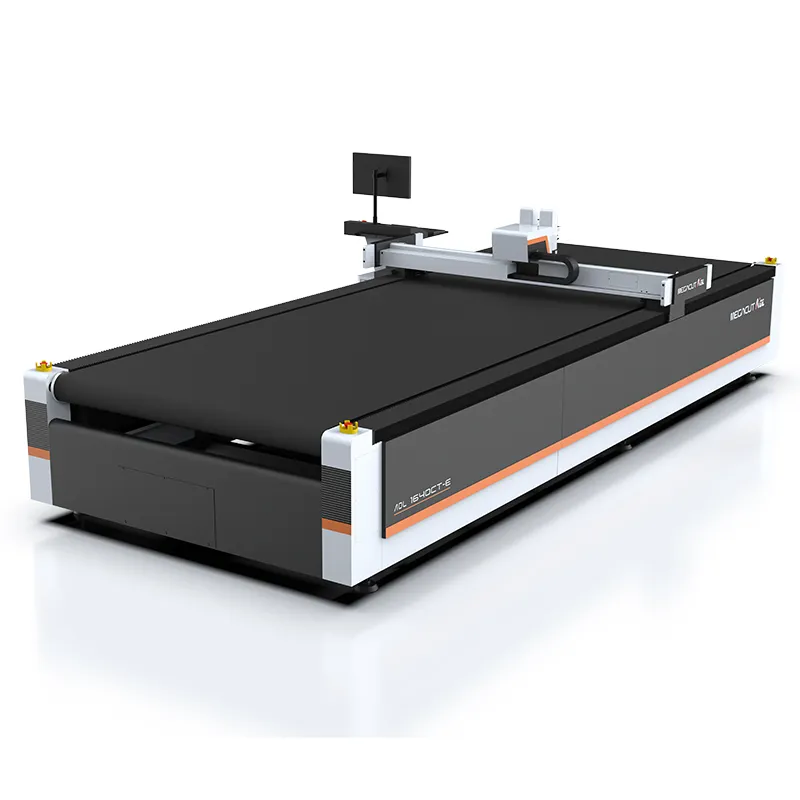
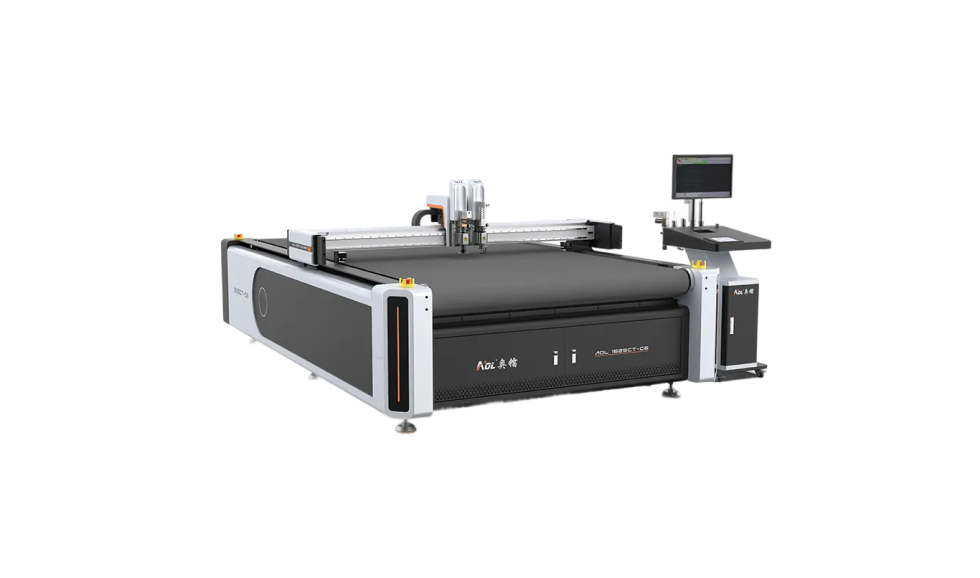
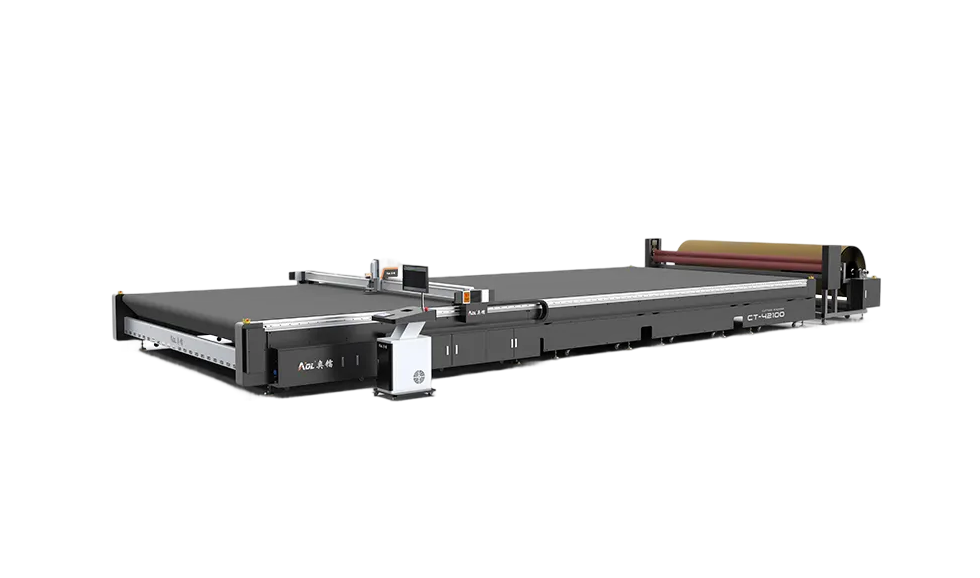
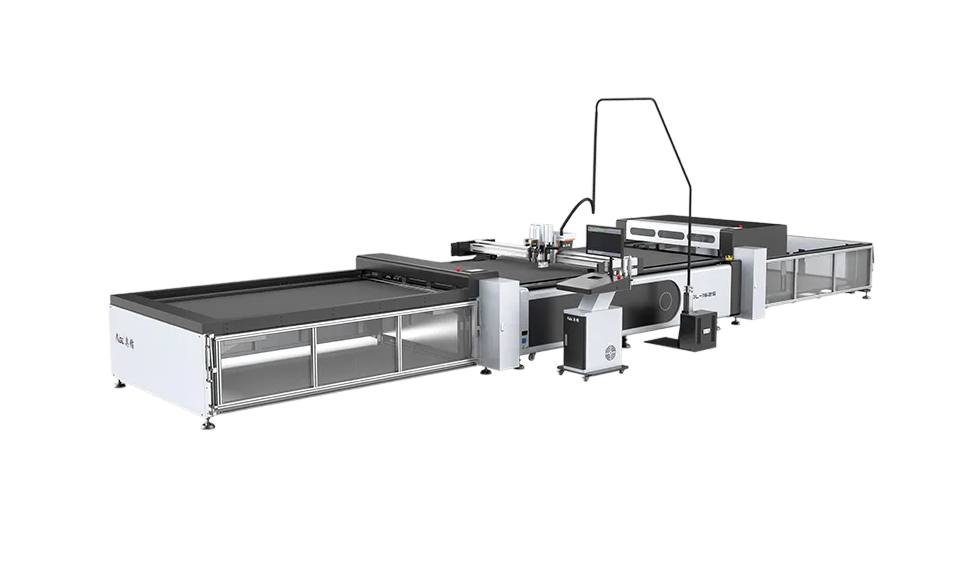
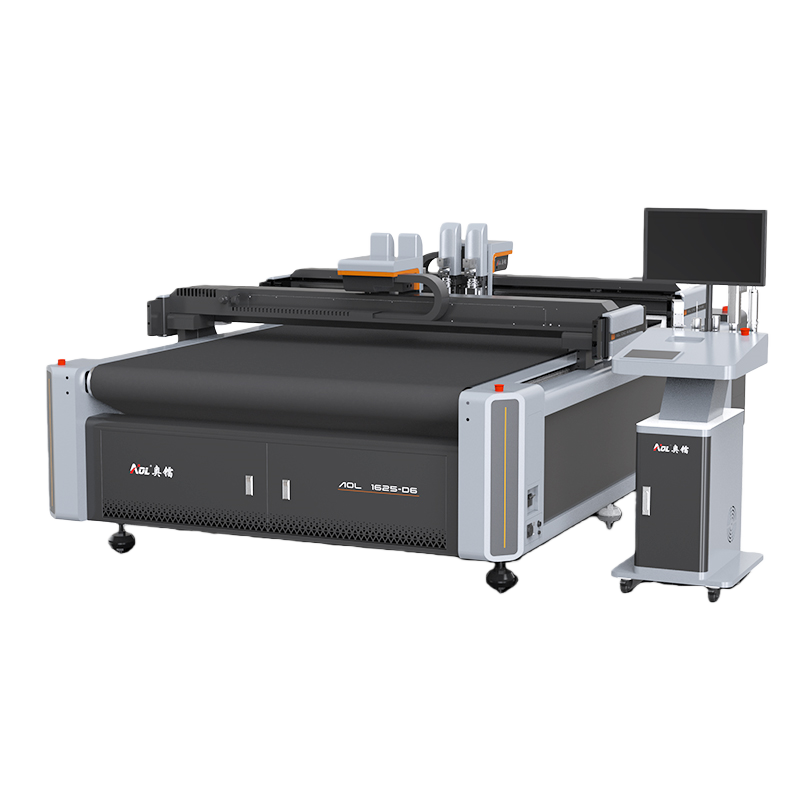

In the leather goods industry, from fashion accessories to automotive interiors, production efficiency and product quality remain the core pursuits of enterprises. The emergence of automated leather cutting technology represents a profound manufacturing revolution, its significance self-evident. It has revolutionized traditional production models reliant on manual labor and mechanical die-cutting, elevating manufacturing precision and material utilization to unprecedented heights. For any enterprise handling genuine or synthetic leather, adopting automated cutting systems enables intelligent detection of natural imperfections and texture variations in hides. Through advanced vision systems and optimized nesting software, these systems maximize the utilization of precious raw materials, directly reducing material costs by up to 15%—a significant cost saving, particularly for high-value genuine leather. Simultaneously, it fundamentally addresses the industry's skilled labor shortage by enabling a single technician to manage multiple machines. This liberates productivity from labor-intensive tasks, ensuring every cut piece strictly adheres to CAD design specifications while achieving unparalleled cutting precision and perfect consistency. This digital production model not only drastically shortens the time-to-market cycle from design to launch, enabling businesses to swiftly respond to market trends, but also significantly reduces waste. This supports enterprises in achieving green, sustainable manufacturing and establishing a responsible, high-end brand image. In summary, automated leather cutting technology represents a crucial step for modern leather enterprises to enhance core competitiveness, achieve cost reduction and efficiency gains, and advance toward intelligent production.