
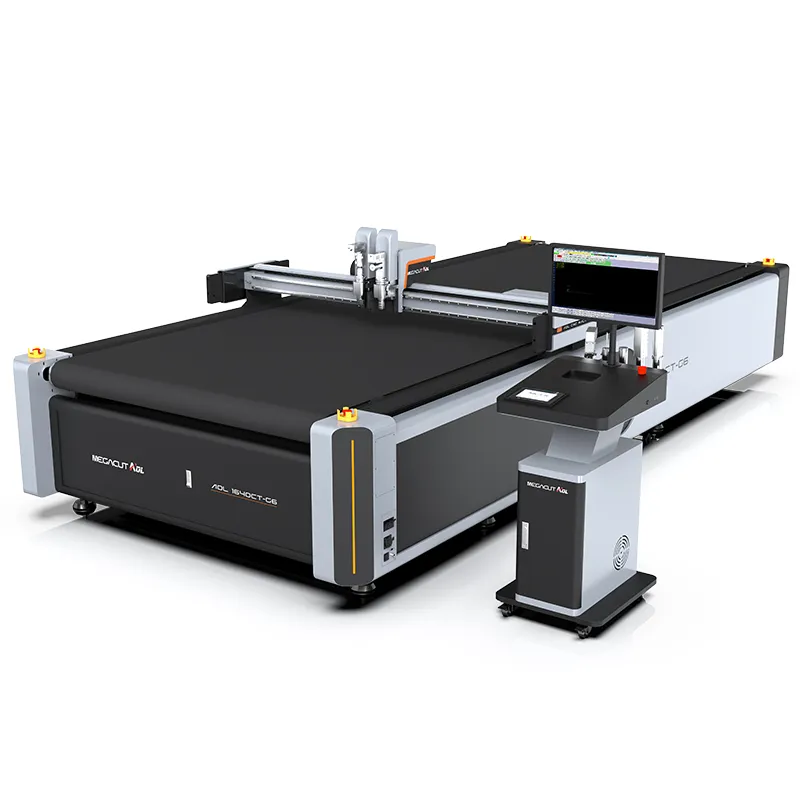
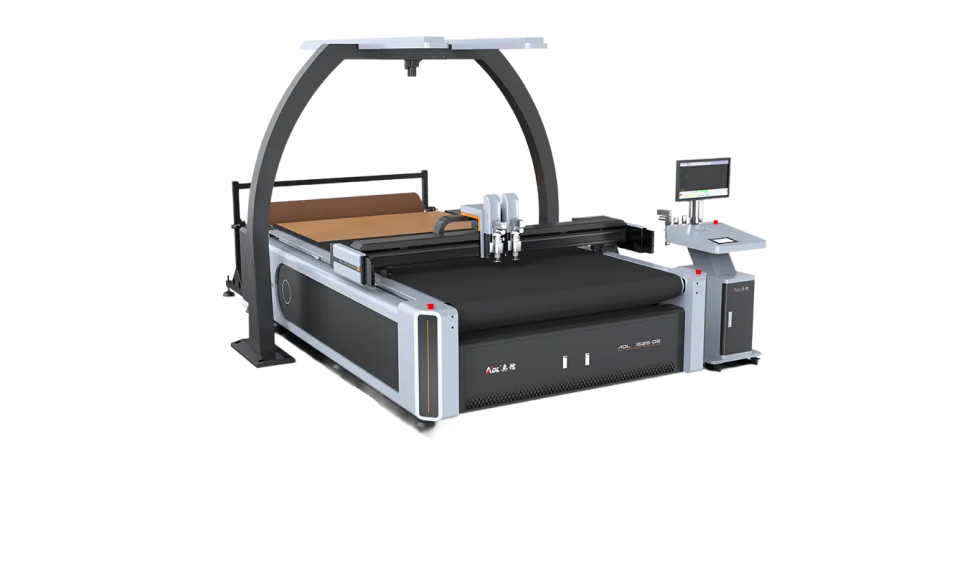
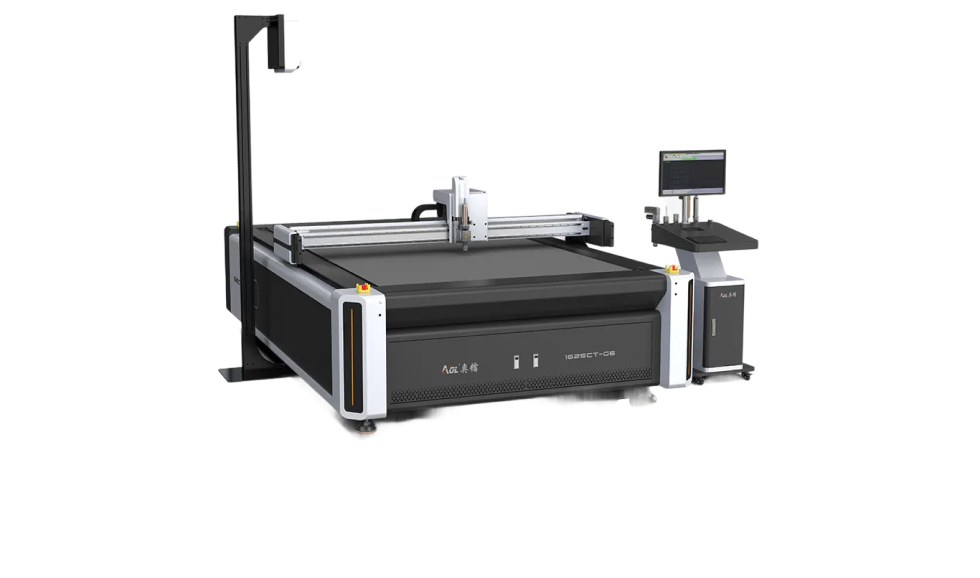
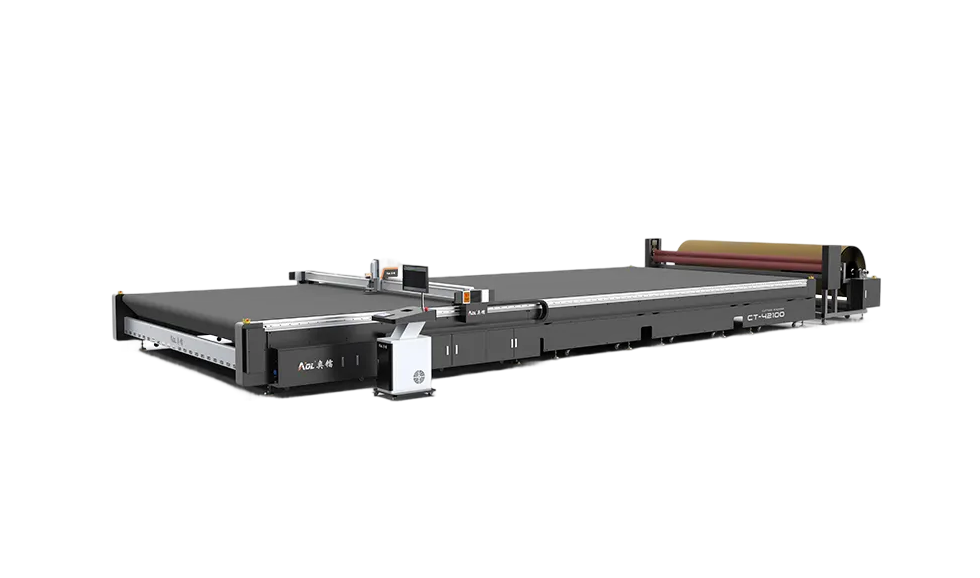
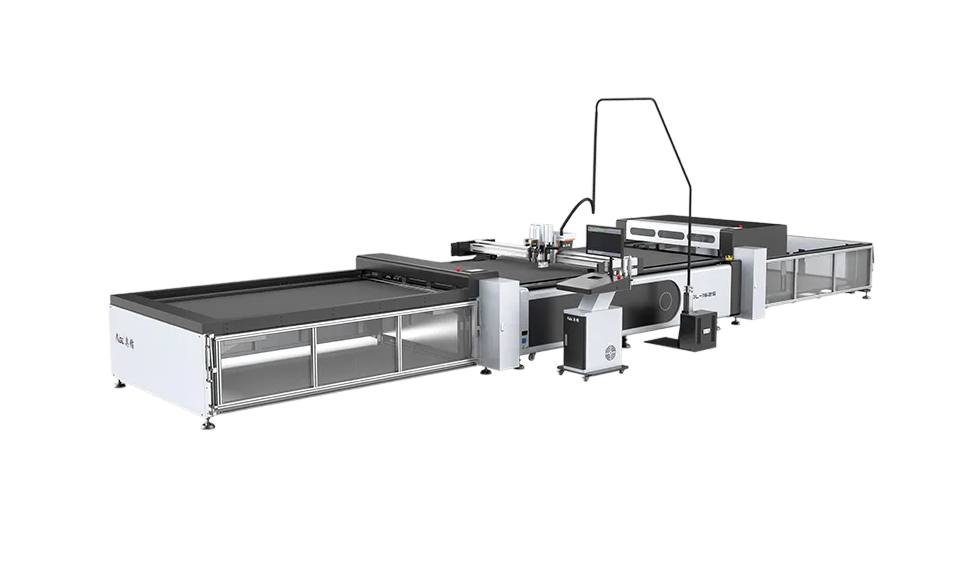

In the leather industry, the key to a company's profitability often lies in material utilization rates. For decades, artisans and manufacturers have been constrained by the inefficiency of manual cutting and the rigid limitations of traditional die-cutting. The advent of CNC leather cutting machines represents not merely an equipment upgrade, but a paradigm shift that redefines the relationship between materials, design, and labor. First, it ingeniously addresses the unique challenges posed by leather as a natural material. Unlike paper or plastic, leather possesses natural grain patterns, elasticity, and inevitable imperfections. The visual recognition system integrated into CNC cutters intelligently scans entire hides, automatically identifying scars or brand marks, and optimally arranges cutting patterns to skillfully avoid these defects. This digital layout technology reduces material waste by 5% to 15%. For the leather industry, where material costs typically account for 40% to 60% of a product's total price, such efficiency gains directly impact a company's survival and profit growth. Second, this technology breaks down traditional design barriers. Previously, complex patterns required custom steel dies costing hundreds or even thousands of dollars, with lengthy production cycles that deterred small brands and startups. Software-driven CNC leather cutting machines make it possible for designers to complete drawings in the morning and cut them on the machine in the afternoon. By eliminating costly die-cutting expenses, they democratize leather manufacturing. Furthermore, CNC equipment offers an ideal solution to the industry's shortage of skilled leather artisans.