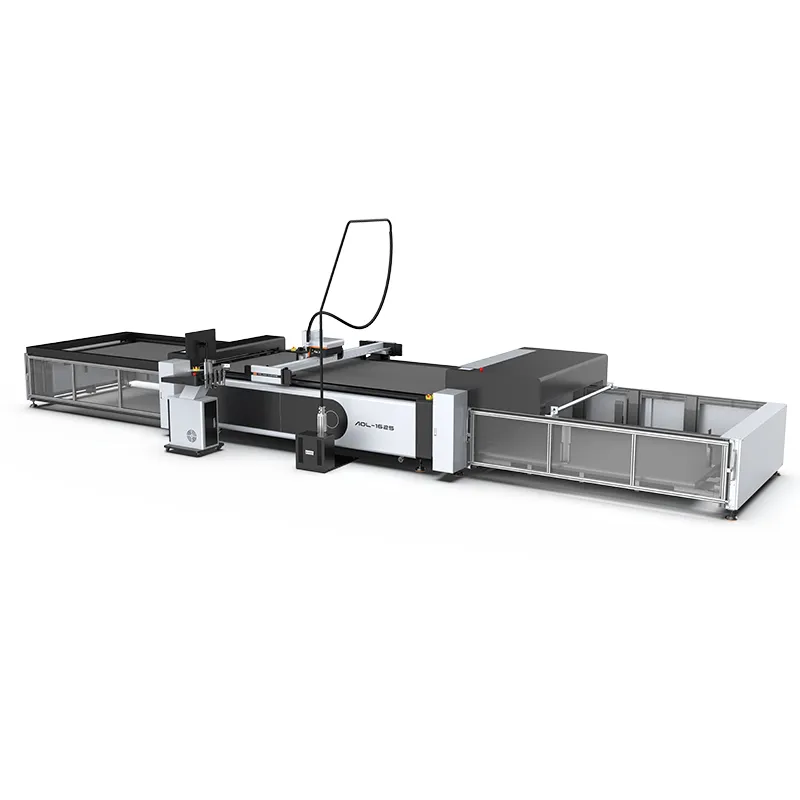
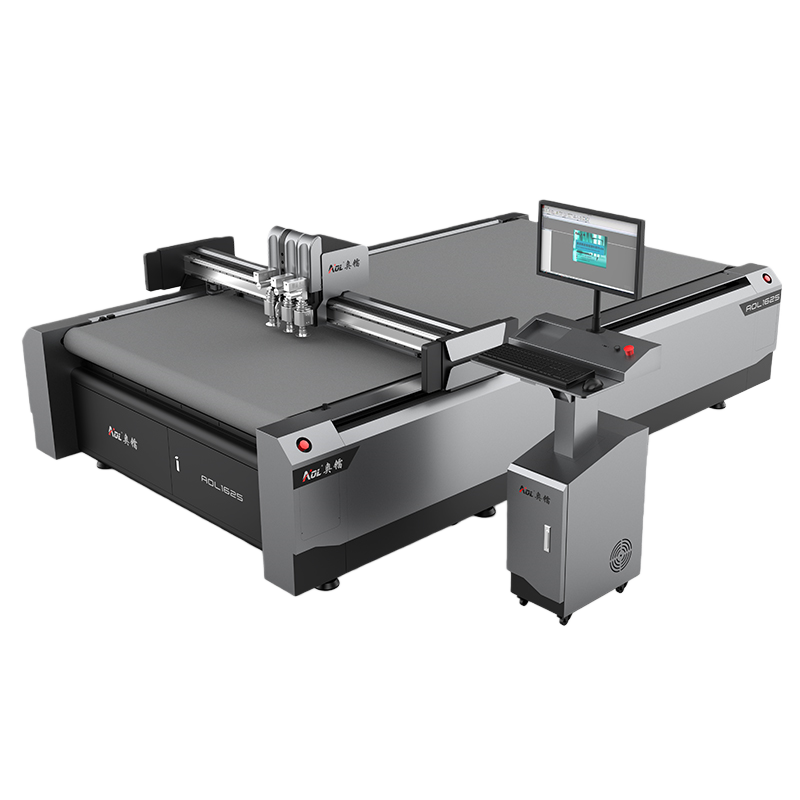
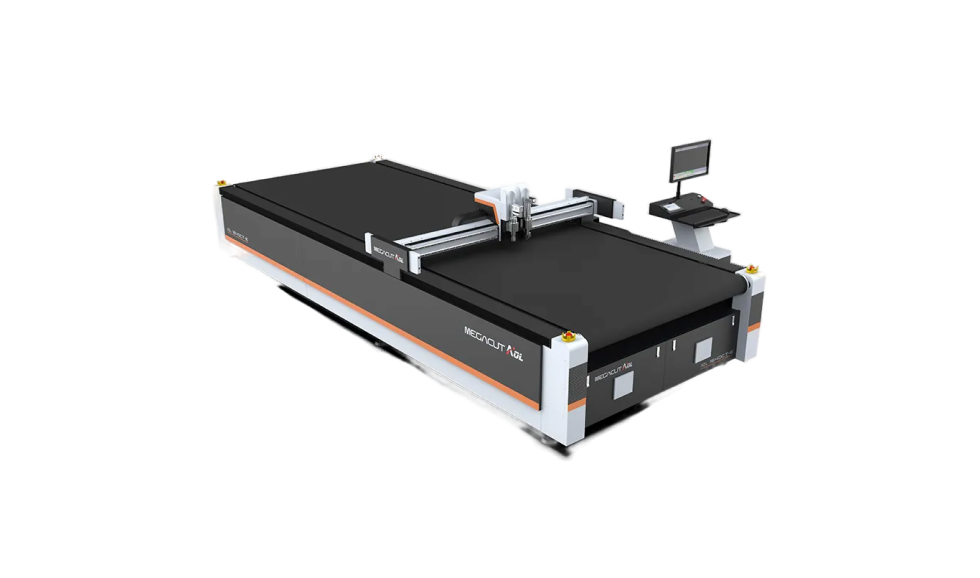
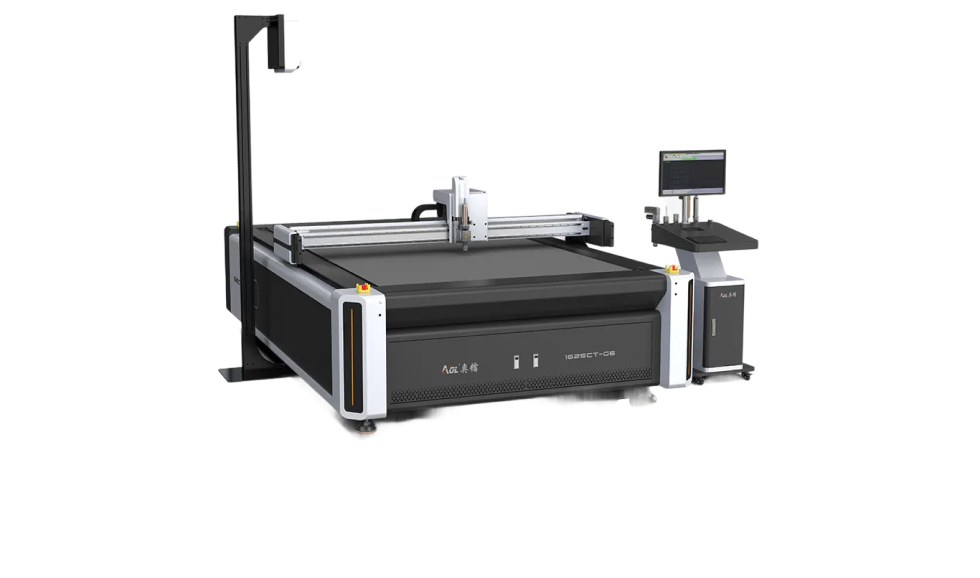
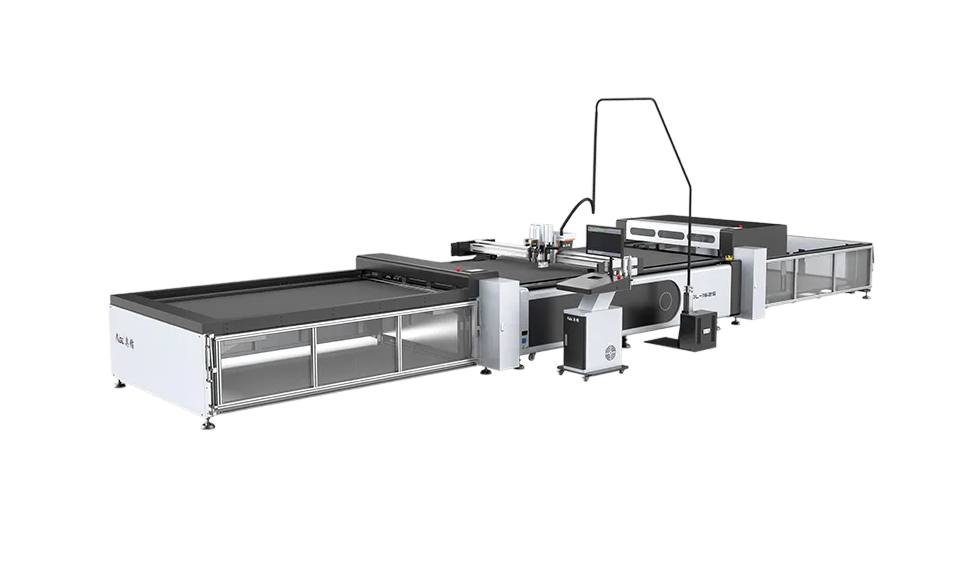
The application scope of CNC leather cutting technology has long transcended the boundaries of traditional workshops. With its exceptional adaptability, it is permeating numerous industries reliant on leather materials, becoming an indispensable component of modern production.
In the fashion and luxury sectors, whether crafting high-end handbags, wallets, or intricate shoe uppers and belts, CNC equipment processes complex patterns and multi-layered structures with micron-level precision. This consistency ensures seamless integration during sewing and assembly while enabling brands to maintain top-tier quality across batches. For designer labels pursuing rapid iteration, the ability to cut samples directly from digital files—eliminating the need for molds—significantly shortens the development cycle from concept to physical product.
In automotive and aerospace manufacturing, CNC cutting's value lies in achieving perfect fitment for complex curved interior surfaces. From luxury car seats and headrests to private yacht and aircraft cabin interiors, these applications demand not only durable leather but also precision-cut panels that precisely conform to intricate molds. Automated cutting ensures every leather piece for armrests or steering wheels features smooth edges, significantly elevating the overall quality of the cabin space.
In home furnishings and mass-produced furniture manufacturing, CNC technology is progressively replacing traditional die-cutting. Whether producing large-format panels for mass-produced sofas or customizing hundreds of identical guest room furnishings for hotel projects, automated cutting maximizes rare leather utilization while maintaining speed, effectively reducing raw material costs.
Furthermore, in the leather goods and accessories industry, CNC cutting effortlessly handles everything from small items like pet collars and keychains to large industrial gaskets and mechanical seals. Particularly for industrial components requiring exceptional abrasion resistance, the equipment precisely processes thick vegetable-tanned leather or composite materials, ensuring functional parts feature smooth, flat edges. For custom services and small workshops, this technology unlocks the commercial potential of “one-off customization,” enabling efficient profitability for niche demands like personalized journals and bespoke leather tags.
Overall, the application scenarios for CNC leather cutting continue to expand alongside advancements in materials science and automation technology. It serves both the standardized demands of large-scale industrial production and empowers the flexible, diverse needs of micro-creative workshops, truly bridging the gap from traditional craftsmanship to digital manufacturing.

 EN
EN