
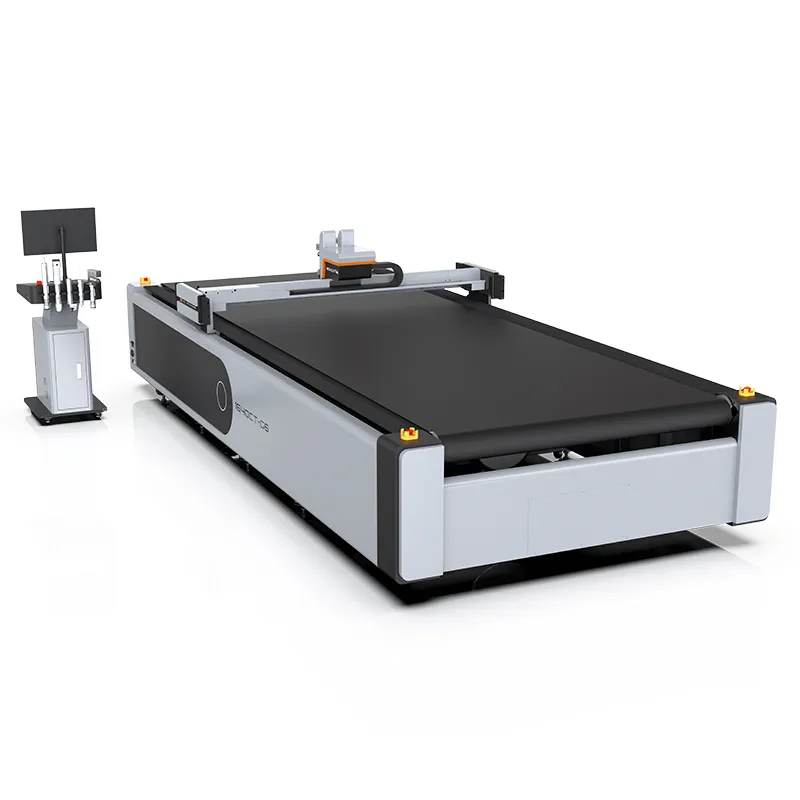
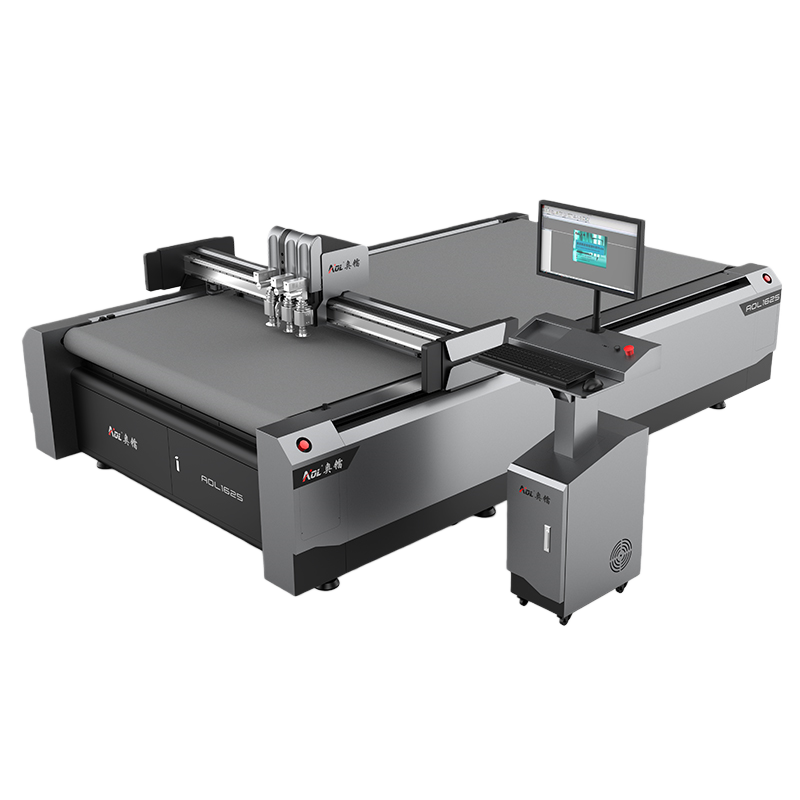
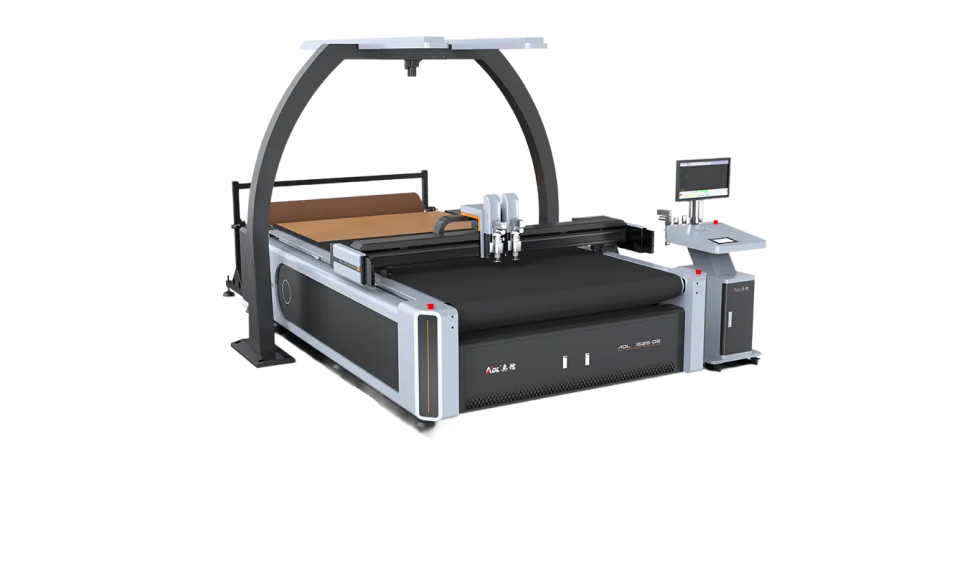
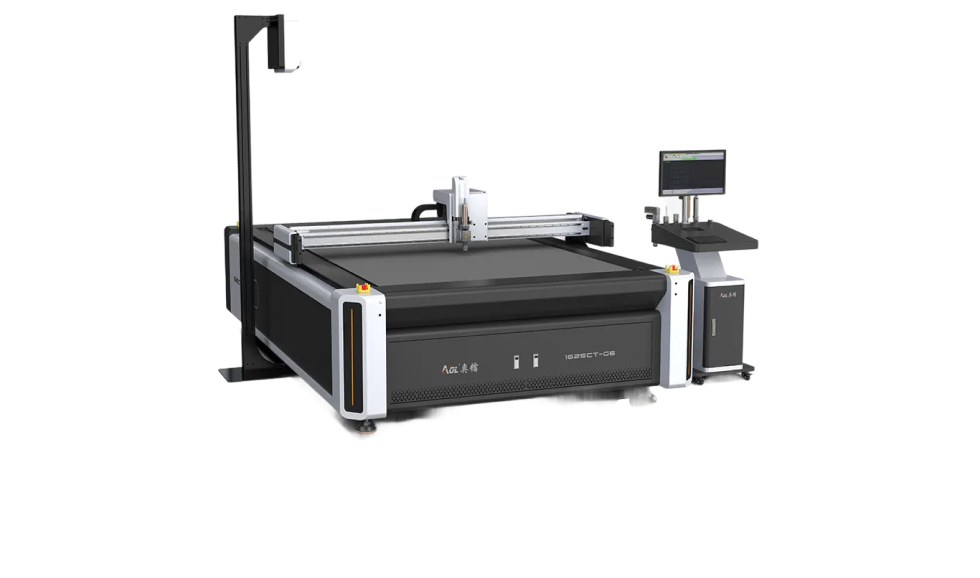
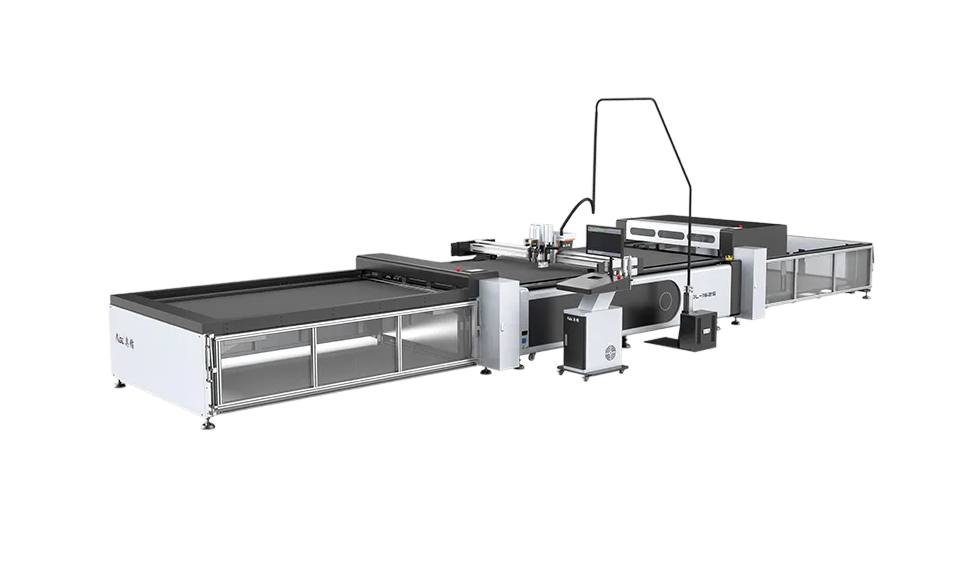
The widespread adoption of leather cutting machines, transitioning from manual cutting to digital cutting, has delivered significant economic benefits to businesses. First, it substantially reduces reliance on manual labor, addressing the shortage of skilled craftsmen. Second, automated nesting software saves 5% to 15% in raw materials—a substantial saving for the high-cost leather industry. Third, it enables customization and on-demand production—eliminating the need for physical cutting dies. By simply modifying digital files, individual products can be cut within minutes, perfectly aligning with current market trends favoring small batches and diverse product lines.
Technologically, leather cutting machines demonstrate exceptional flexibility and adaptability. Whether handling small-batch prototyping during sample development or continuous operations for mass production, the equipment performs reliably. For design studios, it enables rapid validation of new styles; for contract manufacturers, it offers flexible adaptation to diverse client order requirements.
In summary, leather cutting machines are permeating industries involving leather and flexible materials through their precision, efficiency, and adaptability, emerging as a key driver for industrial upgrading and creative realization.