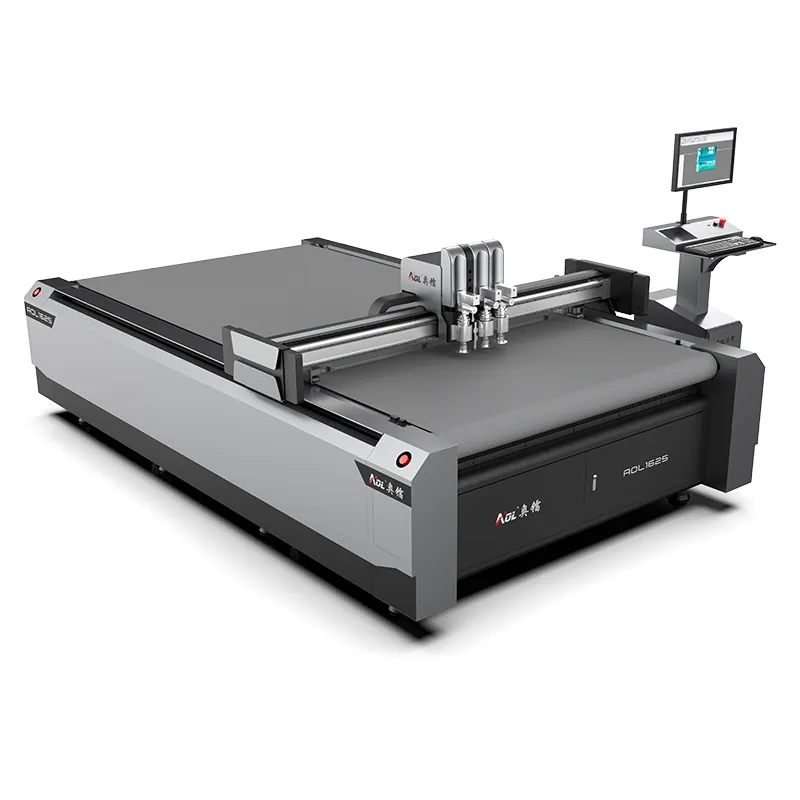
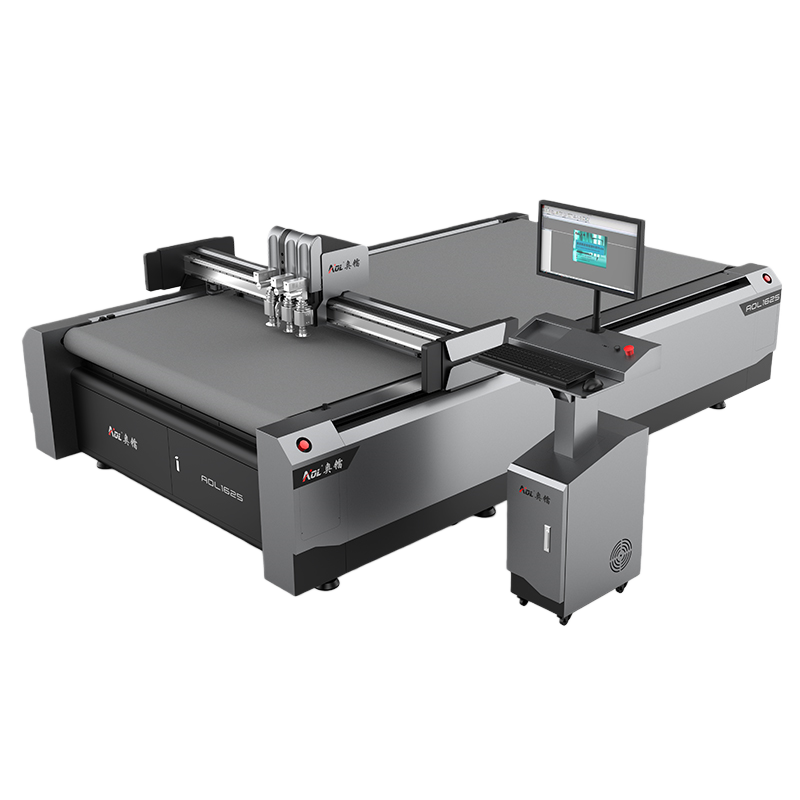
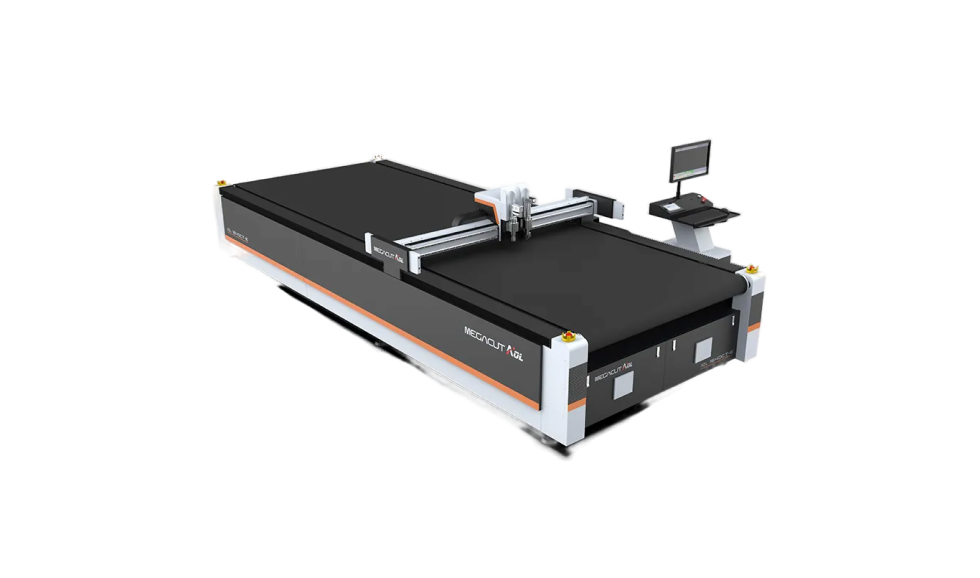
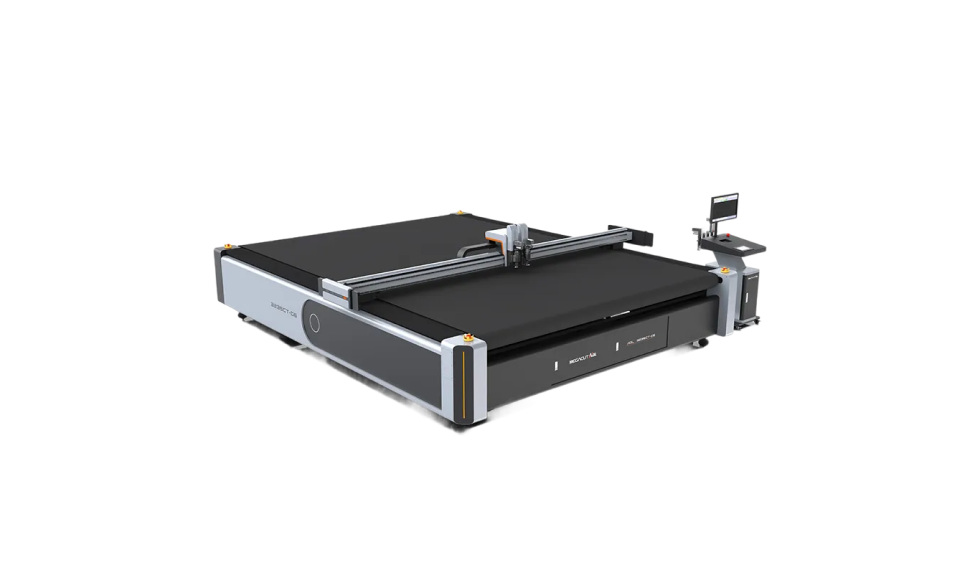
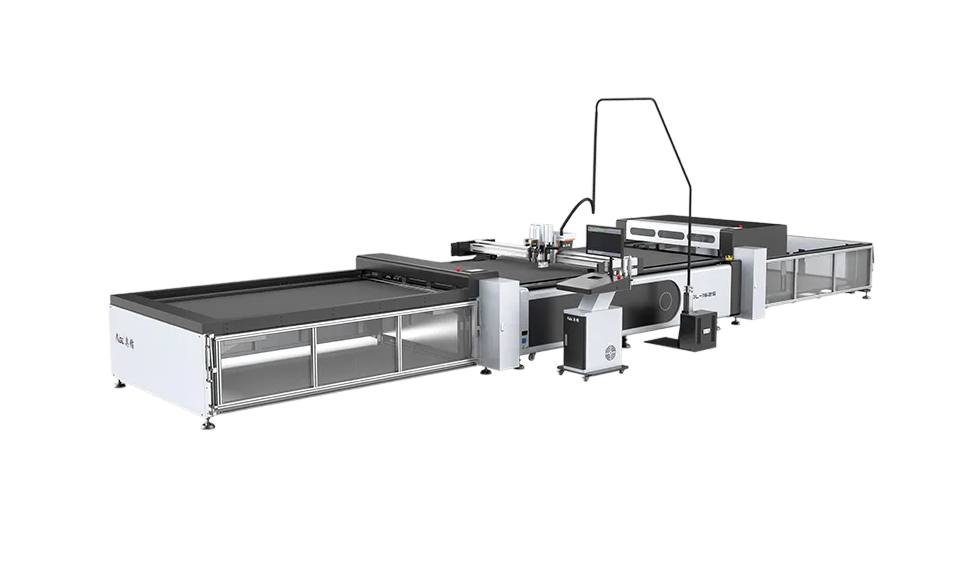
In today's fiercely competitive footwear manufacturing industry, the application prospects for upper leather cutting machines are exceptionally broad, profoundly transforming production models from mass manufacturing to personalized customization. For large-scale footwear manufacturers, it serves as the core tool for breaking through production capacity bottlenecks and achieving standardized operations. Traditional die-cutting methods are not only time-consuming but also struggle to handle complex upper curvatures. In contrast, high-speed vibrating CNC cutting machines seamlessly integrate with CAD design systems, enabling 24/7 uninterrupted production. This ensures millimeter-level precision for every upper component of sneakers, dress shoes, or boots, significantly boosting fulfillment capacity for large orders.
Simultaneously, as consumer demand for personalization and comfort continues to rise, this equipment has opened new business avenues for custom shoe workshops and luxury ateliers. Whether producing orthotic insoles or addressing unique requirements like different sizes for left and right feet, digital leather cutting machines eliminate the need for molds. Single-piece production is achieved simply by adjusting software parameters. This “mass customization” capability grants small workshops unparalleled flexibility and premium pricing power when serving high-end private and medical markets.
Moreover, the device's applications extend beyond footwear manufacturing. For enterprises seeking to diversify their product lines, a high-performance upper leather cutting machine can seamlessly handle production of handbags, wallets, belts, and even smartwatch straps. This cross-industry flexible production capability not only helps businesses balance equipment idle time caused by seasonal fluctuations in footwear orders but also effectively utilizes leather scraps to develop small yet exquisite, high-value-added leather goods. This achieves maximum resource utilization and business diversification.
From a broader industry perspective, upper leather cutting machines are becoming a key component of sustainable manufacturing and smart factories. Their built-in intelligent nesting algorithms calculate the most material-efficient cutting paths, significantly reducing waste of expensive natural leather and aligning with stringent global supply chain environmental compliance requirements. Looking ahead, the integration of AI vision recognition technology will enable next-generation cutting machines to automatically identify and intelligently avoid scars and imperfections on leather surfaces. This advancement will undoubtedly elevate material utilization rates and production automation to unprecedented levels.

 EN
EN