
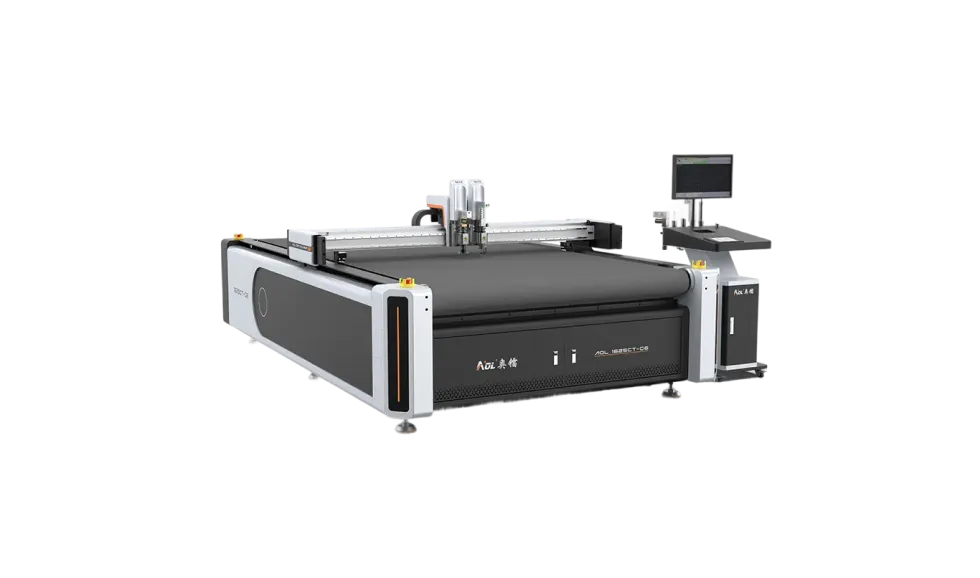
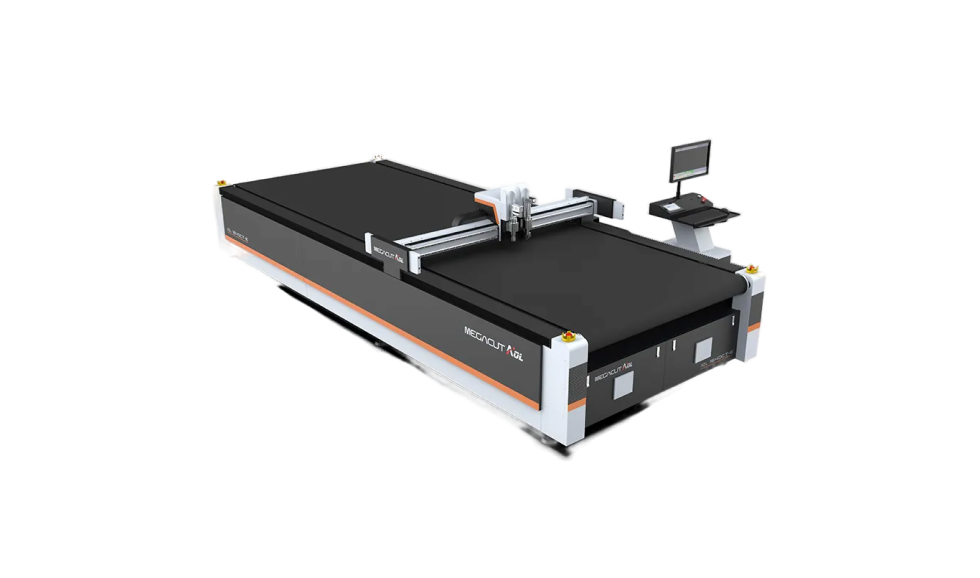
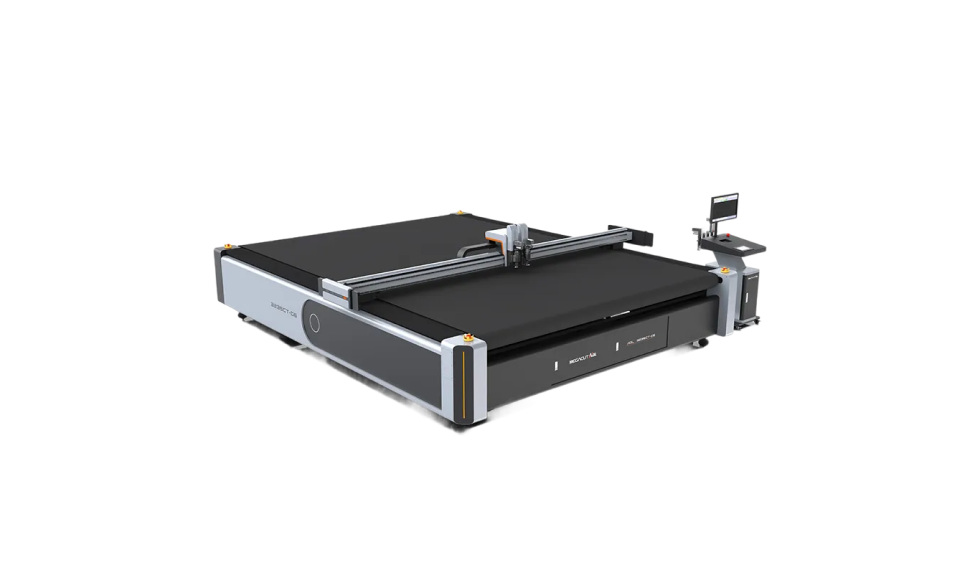
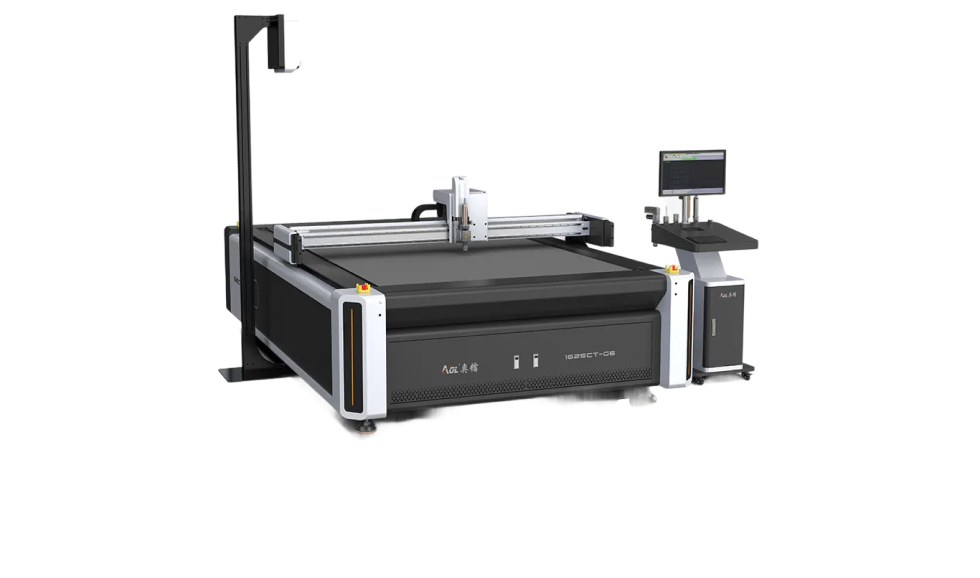
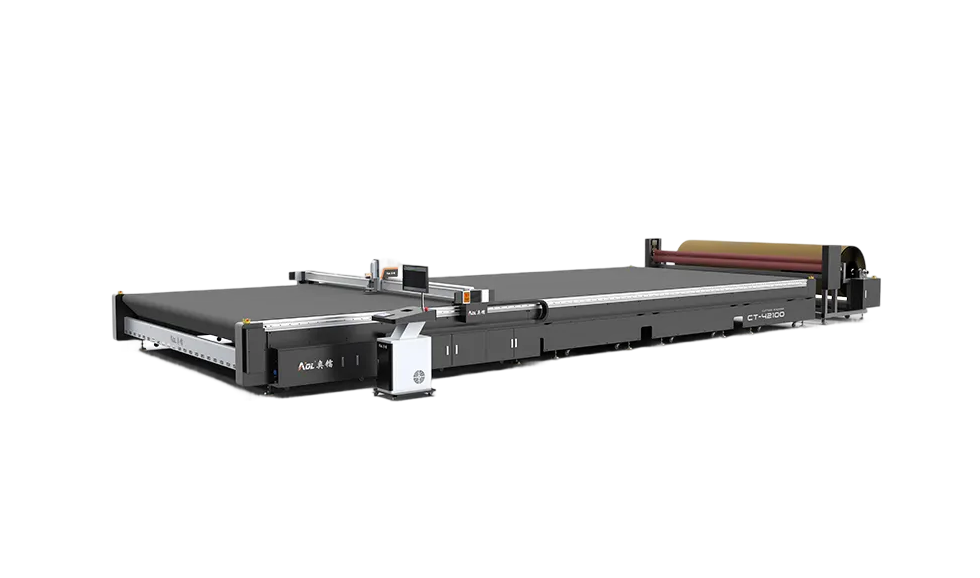
In the modern manufacturing landscape, materials are no longer just paper and simple textiles. Industries are increasingly reliant on complex composites, technical textiles, and lightweight synthetics. The vibrating cutting machine has emerged not merely as a tool, but as a critical enabler of innovation. Its significance lies in its ability to solve the four biggest challenges in industrial cutting: material deformation, thermal damage, edge quality, and production speed.
Traditional cutting methods often fall short with modern materials. Lasers can melt synthetic edges and release toxic fumes when cutting materials like PVC or carbon fiber. Die presses are expensive, slow to change, and crush delicate materials. Static blades drag and distort soft materials like foam or sponge. The vibrating cutting machine, however, utilizes high-frequency oscillation—thousands of strokes per minute—that allows the blade to cut through materials using a "sawing" action rather than crushing or dragging. For the operator, this means zero fraying on nylon, sealed edges on foam (preventing bead absorption), and no heat-affected zones on composites. This capability alone makes it indispensable for aerospace and automotive manufacturers who cannot compromise on material integrity.