
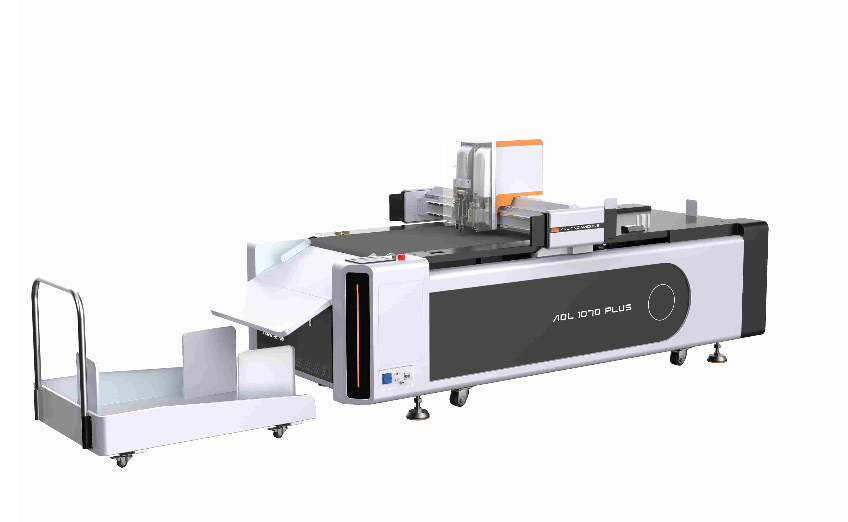
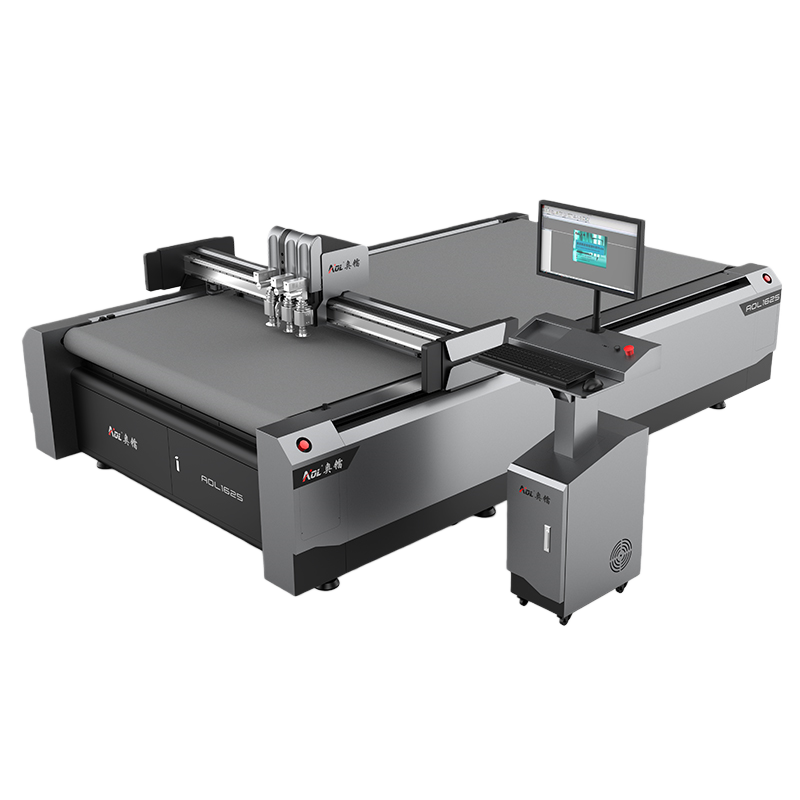
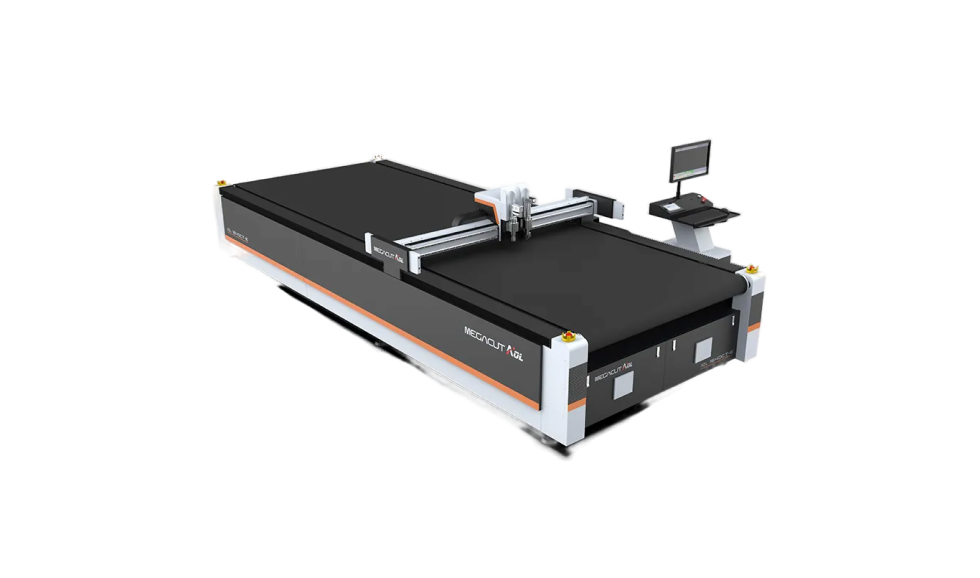
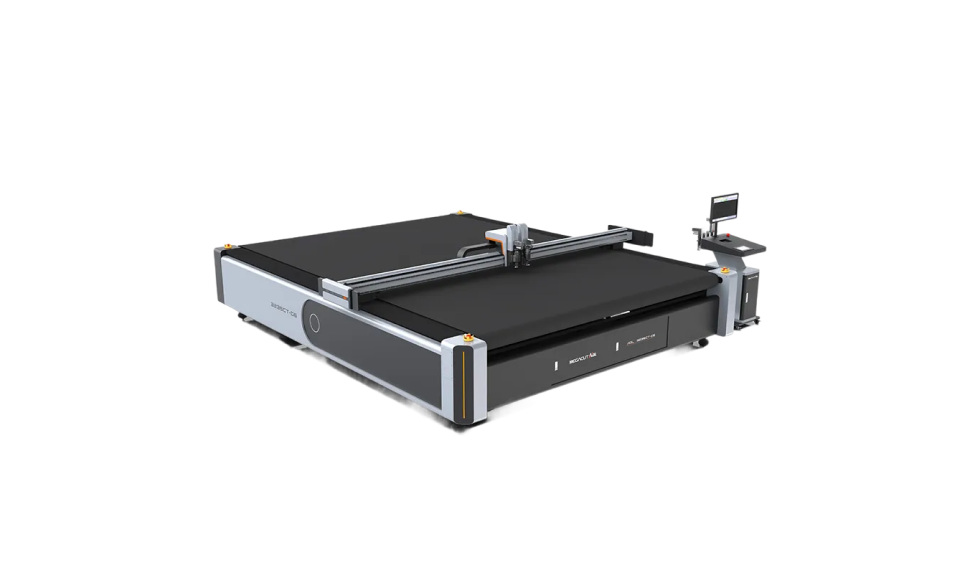
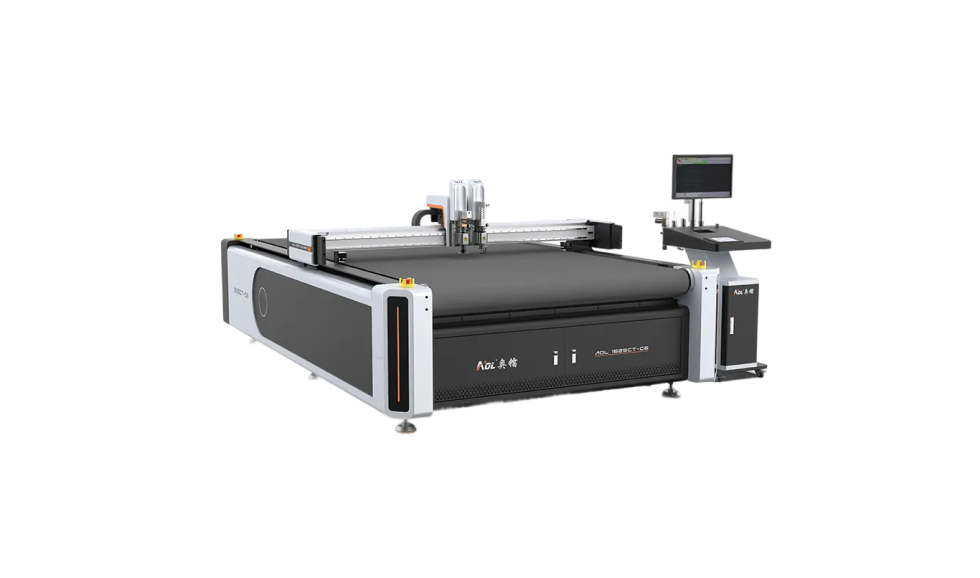
In the automotive interior modification and upholstery industry, a single piece of equipment is revolutionizing traditional workshop production models: the car seat cover cutting machine. Its significance extends far beyond replacing scissors; it represents a leap from “craftsmanship” to “manufacturing,” and from “time-consuming and labor-intensive” to “lean production.” First, it puts an end to the nightmare of material waste. In traditional manual cutting, whether working with premium leather or high-end synthetic fabrics, a single slip of the blade or misalignment could render an entire piece unusable. These hidden costs often devour substantial profits for shops. The automotive seat cover cutting machine, equipped with intelligent layout and automatic nesting software, calculates the most material-efficient cutting plan in seconds, maximizing the utilization of leather or fabric. This typically reduces material waste by 15% to 30% for businesses, meaning the equipment often pays for itself within a year through material savings alone. Secondly, it resolves the tension between customization and mass production. Today's consumers seek both vintage interior restoration for classic cars and personalized stitching for the latest electric vehicles. Manual cutting struggles to meet these complex custom demands with both speed and precision. Digital cutting systems, however, allow businesses to build their own pattern libraries. No matter how rare the vehicle model, the machine can automatically complete the cut by simply retrieving the pattern and loading the material. This transforms a shop's order capacity from handling a few sets per day to dozens, truly shifting the business from “selling time” to “selling production capacity.”