
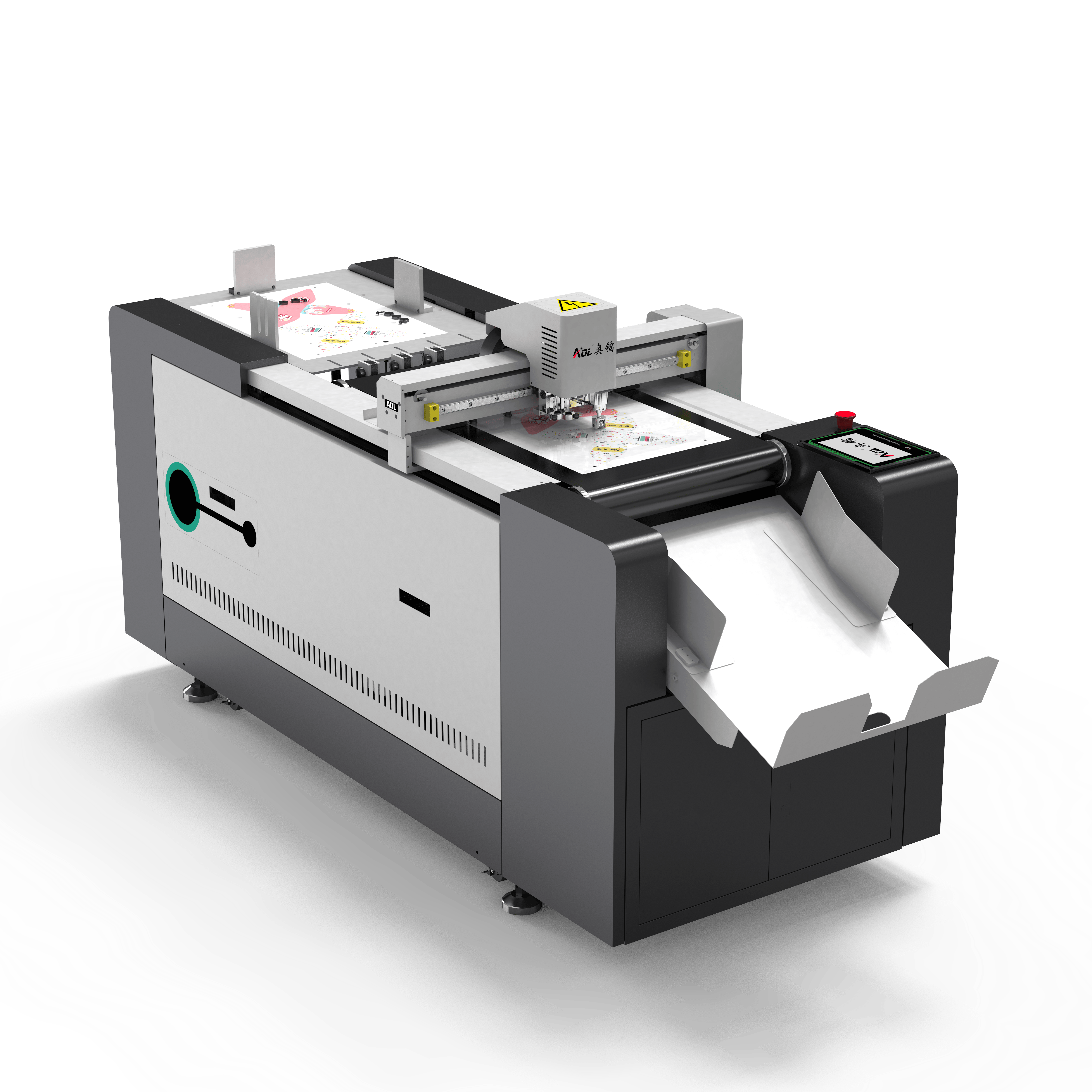
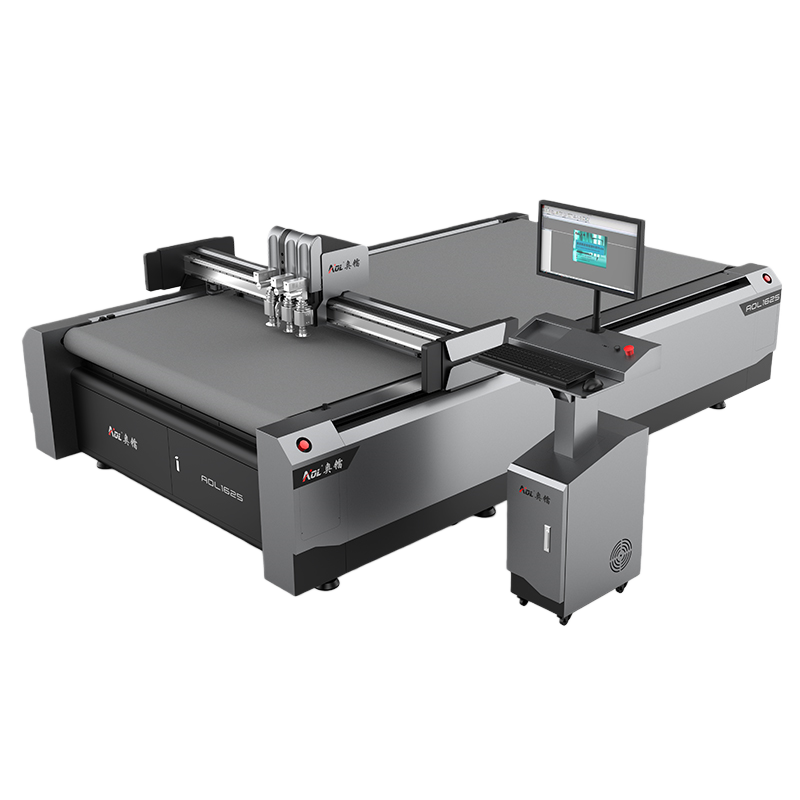
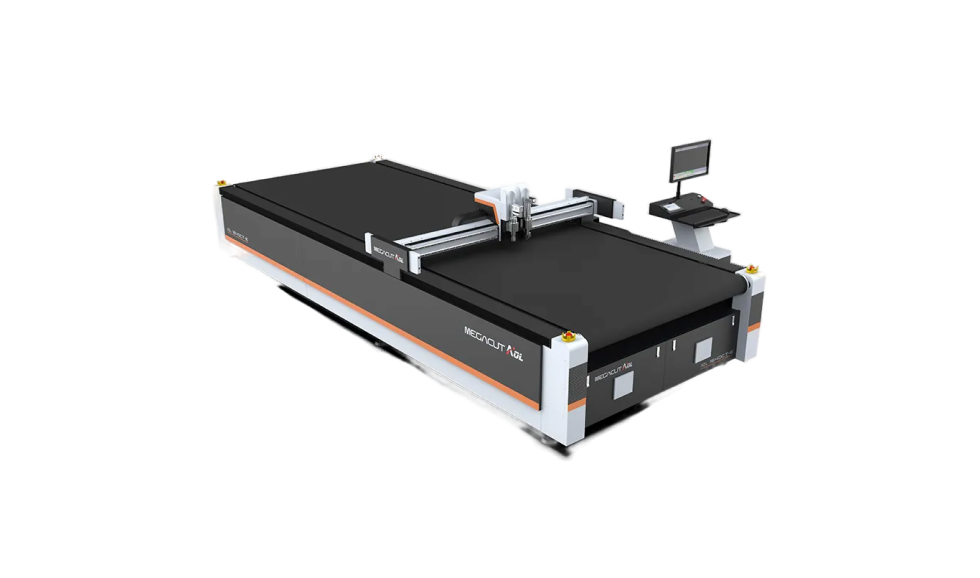
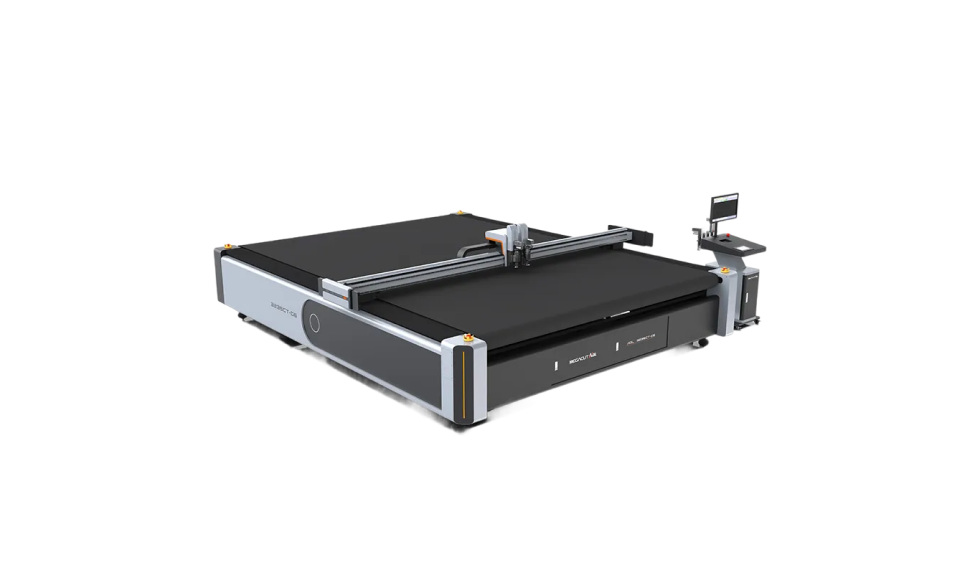
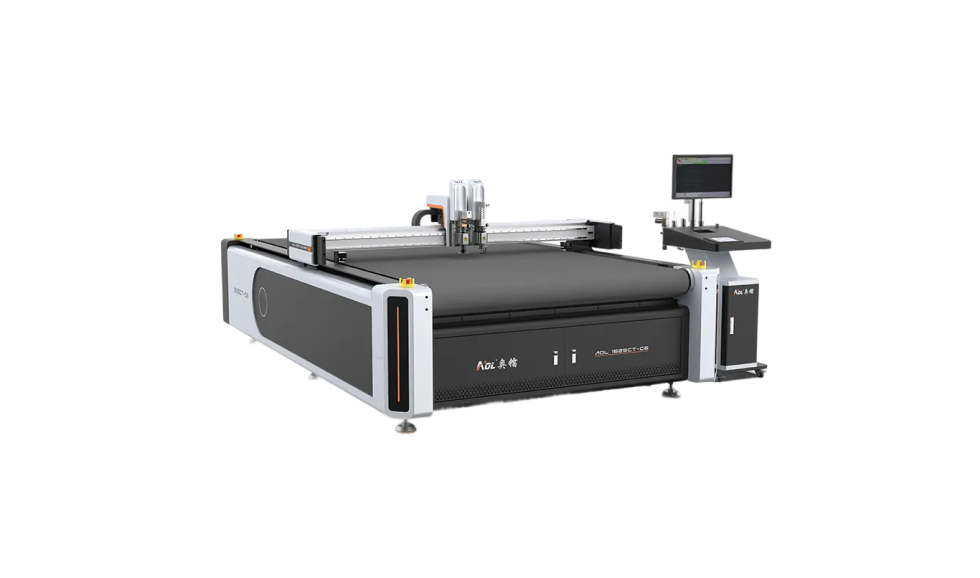
In today's intelligent manufacturing and digital design landscape, the advent of digital cutting machines signifies a profound transformation in production processes. It successfully integrates high-precision machining with flexible manufacturing models, completely revolutionizing traditional analog signal-based production that relied on physical dies for punching and cutting. In the past, companies seeking to cut materials into specific shapes had to commission expensive steel die molds, a process that was time-consuming, costly, and particularly unsuitable for small-batch or customized orders. The core value of digital cutting machines lies precisely in their elimination of physical mold constraints. They directly control blade movement by reading vector files from a computer. This leap from “hardware dependency” to “software-driven” operation enables “what you see is what you get” designs to be rapidly transformed into physical products, significantly shortening the time-to-market cycle from R&D to launch.
Another key factor in this equipment's pivotal role in industrial applications is its remarkable material adaptability. It is not confined to a single material but, through diverse cutting head technologies like oscillating blades and drag knives, can effortlessly handle everything from soft textiles (nylon, canvas) and industrial consumables (rubber gaskets, foam sponge) to composite materials (prepreg carbon fiber) and corrugated cardboard commonly used in packaging. For businesses, this eliminates the need for five separate cutting machines for different materials. A single digital cutting machine can serve as a flexible cutting hub, addressing the production challenges of handling multiple materials and processes.