
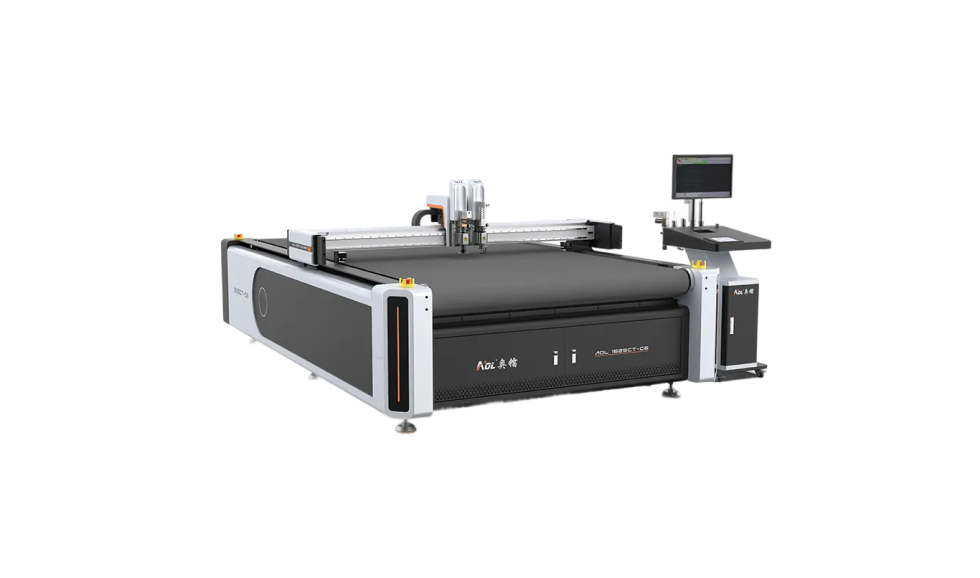
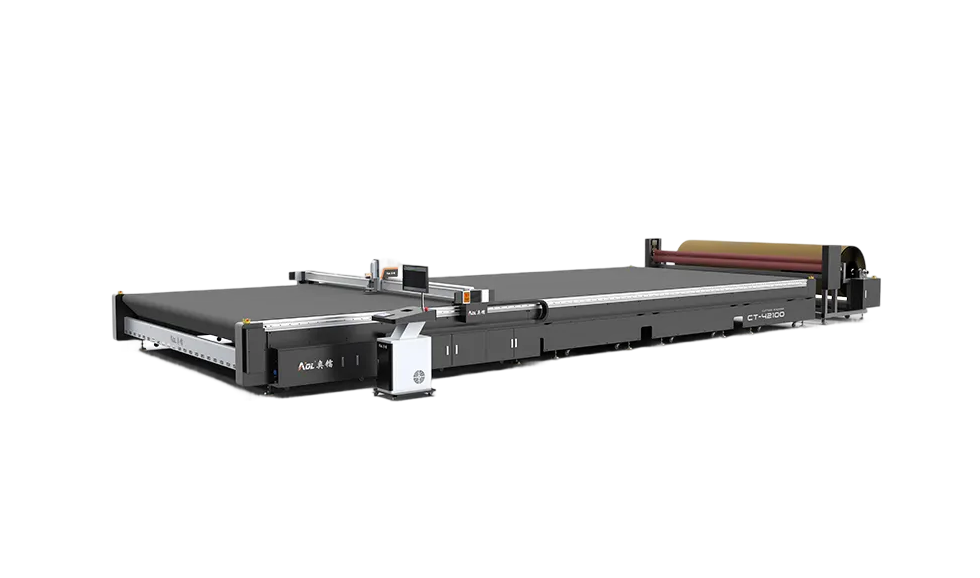
In today's industrial manufacturing landscape, precision is no longer merely a preference but an essential requirement. Looking back two decades, the industry standard was the skilled mechanic working alongside manual saws. Today, that benchmark has been replaced by the hum of servo motors and the seamless glide of automated CNC cutting machines. The significance of this shift extends far beyond “cutting faster.” It represents a fundamental transformation in material utilization, labor economics, and design complexity—explaining why operations from Detroit machine shops to Milanese furniture makers are racing to fully automate their cutting processes.
The most significant impact of automated CNC cutting machines lies in enabling “unmanned factory” production models. Equipped with automatic tool changers, material sensors, and chip conveyors, these machines can operate 24/7 without direct human intervention. This means a factory can load a pallet of aluminum sheets at 5 PM, start the program, and leave for the day. By 8 AM the next morning, fully assembled finished parts are ready. This capability effectively triples production capacity without proportionally increasing labor costs, enabling small and medium-sized enterprises to gain a competitive edge by matching large corporations' round-the-clock equipment ROI. Simultaneously, automation completely removes the “human factor” from the cutting process. Whether cutting the first part or the thousandth, the equipment can perfectly replicate the same path with micron-level precision. For industries like aerospace and medical devices, where tolerance for error is extremely low, automation is not a luxury—it is a survival requirement.